Blog · · 3 min read
Winter weather and the East Coast route: what to expect and how to plan
The East Coast Main Line runs for hundreds of miles, much of it close to the North Sea, and the LNER network reaches as far as the Highlands. In winter that means some journeys are more exposed to the weather than others. Here's what the Met Office and the railway say, and how to plan around it.
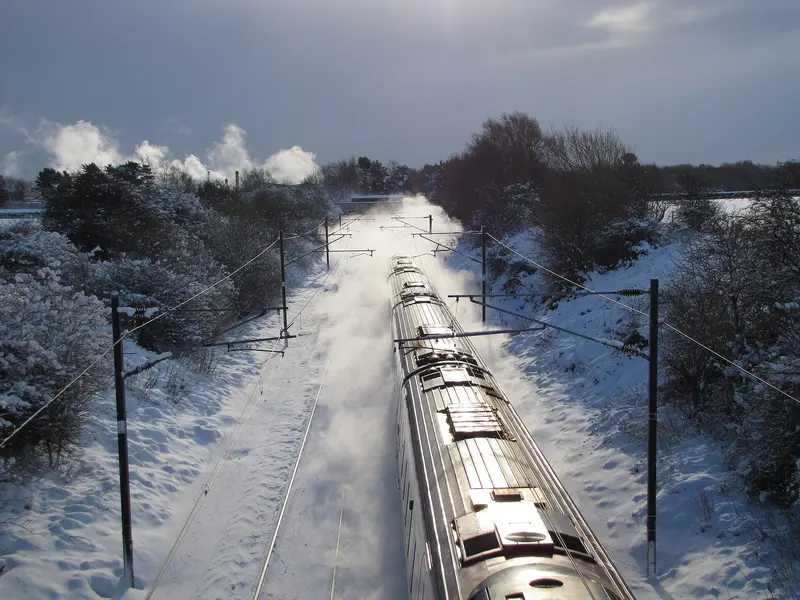
Why weather hits the railway
The Met Office's advice on rail travel in severe weather explains that the network copes well with everyday winter conditions — points are heated and insulated, and there are snow-clearing trains. It's the severe days that cause trouble. It gives examples such as:
- high winds bringing down overhead power lines, which stops electric trains
- storms and flooding damaging the line itself
- snow blocking tracks, especially in Scotland
- fallen trees that crews must clear before trains can run
When severe weather is forecast, the Met Office says train companies use emergency plans: trains may run to a different timetable or at lower speeds, so journeys take longer but get people there safely.
Before you travel
- Check the forecast, then your train, then check again on the day.
- Think about the timing. The Met Office suggests asking whether travelling earlier or later would make a difference — going a day early, or waiting until a storm has passed.
- Use live updates. LNER's festive travel page points to its LNER Assistant service for live journey updates, including delays because of weather.
- Take supplies. Water, something to eat, a warm layer and a charged phone make a long delay much easier.
Choosing a ticket when the forecast is bad
Advance tickets are tied to one train. The Met Office notes that ticket restrictions are sometimes relaxed in severe disruption (which also means busier trains), and says a more flexible ticket may be worth considering when severe weather is forecast. That costs more, but you aren't stuck if plans change. Our guide to tickets and fares explains the difference between Advance, 70min Flex, Off-Peak and Anytime tickets.
Guide
LNER tickets and fares explained
Advance, 70min Flex, Off-Peak and Anytime tickets on LNER routes, how far ahead you can book, refunds and split tickets, explained in plain English.
Guide
Cancelled or disrupted trains: what your ticket lets you do
Your rights under the National Rail Conditions of Travel when an LNER train is cancelled or badly delayed: later trains, onward travel, refunds, rail replacement buses and First Class.
Guide
LNER Delay Repay: claiming compensation
LNER Delay Repay explained: compensation for delays of 30 minutes or more, how much you get, the 28-day claim deadline and One-click Delay Repay.
If your train is cancelled or late
Bad weather doesn't take away your rights. National Rail says that if your train is cancelled or delayed and you choose not to travel, the retailer will refund the unused ticket without fees. If you travel and arrive late, Delay Repay covers delays on participating services "whatever the cause". Our disruption rights guide covers what your ticket lets you do when things go wrong, including travelling on another day and rail replacement buses.
Heading north in winter
If you're going beyond Edinburgh — to Aberdeen, Inverness or the Cairngorms — you're travelling through some of the most exposed country on the network. Allow plenty of time for connections, and have a plan for an overnight stop if the last train of the day is cancelled. See our article on the Cairngorms in winter by train.
If you need help at the station
Snow and ice make stations harder for everyone, and especially for anyone with reduced mobility. National Rail says you can book Passenger Assist for your whole journey — train companies accept requests up to 2 hours before you travel — or simply ask staff on the day, though help may take longer when stations are busy. If a disruption means you need to change trains or take a replacement bus, tell staff you need assistance; our accessibility guide explains how this works on LNER.
A simple bad-weather checklist
1. Check the forecast the day before, and the train the night before and the morning of travel. 2. Decide in advance at what point you'd postpone, and what ticket rules apply if you do. 3. Keep your ticket and booking confirmation; note your actual arrival time for any claim. 4. If you're stranded, talk to staff before leaving the station: they will know about buses, other routes and where tickets are being accepted.
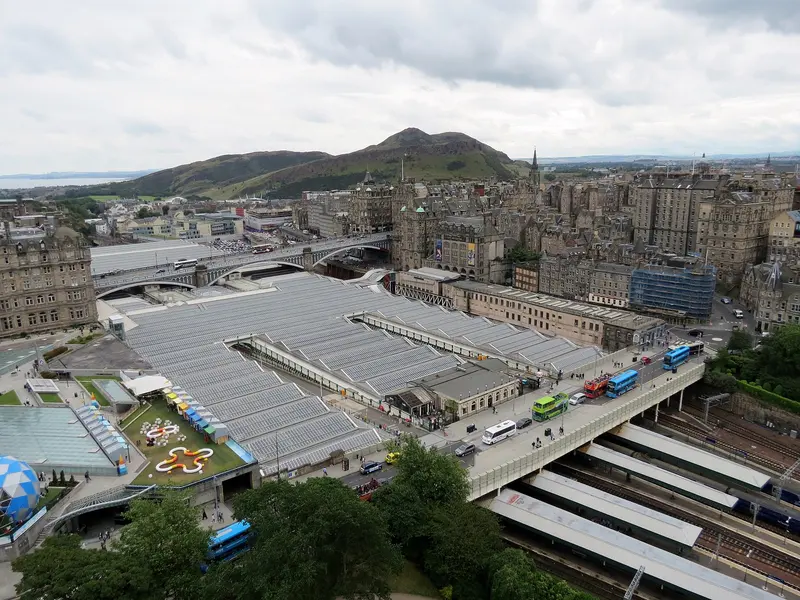
Photo: Martin Dawes, CC BY-SA 2.0
Scotland EDB
Edinburgh Waverley
Edinburgh by train: arrive at Waverley between the Old and New Towns, steps from Princes Street, the Royal Mile and the castle. From about 4 hours from London.
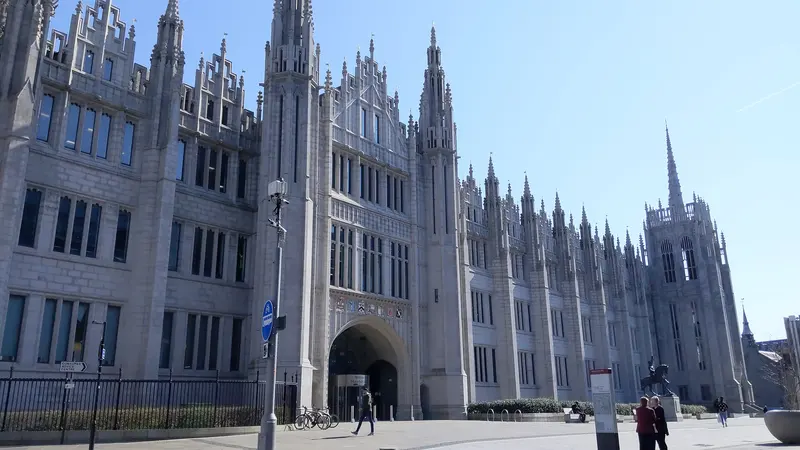
Photo: UltrasonicMadness, CC BY-SA 4.0
Scotland ABD
Aberdeen
Aberdeen guide: the Granite City's free art gallery and maritime museum, Old Aberdeen and St Machar's, reached direct from King's Cross.
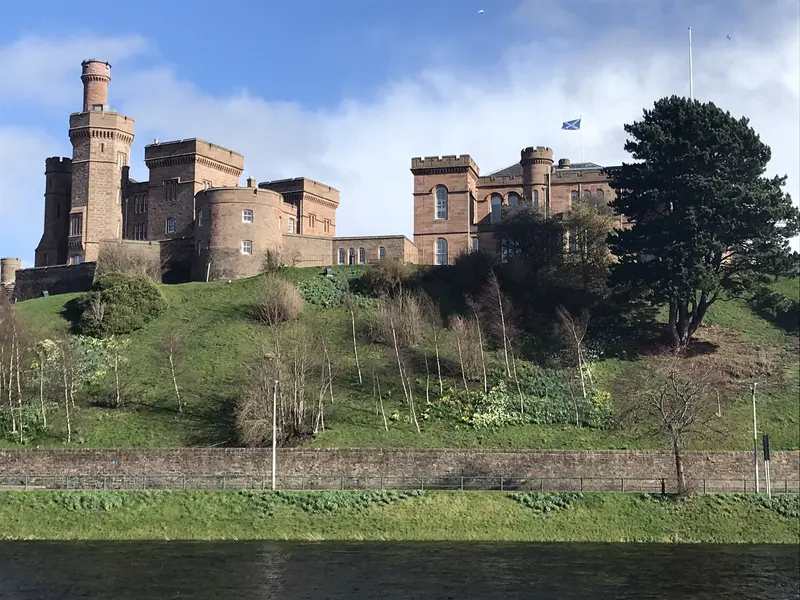
Photo: don cload, CC BY-SA 2.0
Scotland INV
Inverness
Inverness guide: the Inverness Castle Experience, Culloden battlefield and the River Ness – the end of the Highland Chieftain's 581-mile run.
General travel information from an independent guide, not the official LNER website. Times, dates and events can change — always check with the train company, National Rail and the organisers before you travel.
Sources we checked (checked 22 November 2026)
We researched this page using the sources below. They are listed for transparency and are not links; always check official websites for the latest details.
- weather.metoffice.gov.uk/warnings-and-advice/seasonal-advice/travel/trains-in-severe-we…
- nationalrail.co.uk/help-and-assistance/compensation-and-refunds/
- lner.co.uk/travel-information/a-guide-to-festive-travel/
- nationalrail.co.uk/help-and-assistance/passenger-assist/