British Library
The UK's national library sits next to St Pancras on Euston Road. Its Treasures Gallery, showing some of the most remarkable items in the collection, is free to visit, and paid exhibitions run alongside it.
Things to do by train
Museums, castles, cathedrals, walks and more close to stations across the network, with approximate distances from the station and links to each attraction's official website. 223 ideas in total.
The UK's national library sits next to St Pancras on Euston Road. Its Treasures Gallery, showing some of the most remarkable items in the collection, is free to visit, and paid exhibitions run alongside it.
Two million years of human history across more than 50 galleries in Bloomsbury, with free general admission. Booking a free timed ticket in advance is recommended for busy periods.
A pocket-sized nature reserve on the bank of the Regent's Canal, run by the London Wildlife Trust on land that once served the railway's coal drops. It first opened in 1985 and reopened in 2021 after rebuilding.
A shopping and dining quarter designed by Thomas Heatherwick on the site of the old railway coal drops, opened in 2018. More than 45 shops sit alongside cafés, bars and restaurants with year-round terraces.
A small museum telling the story of London's canals, housed in a building put up for the ice trade and with its own wharf basin. It opens Tuesday to Sunday and on bank holiday Mondays.
A free museum and library at 183 Euston Road exploring health, medicine and the human body through historic objects and contemporary art. Its permanent and temporary exhibitions are free to enter.
A 120-acre park with four lakes, a sailing centre, a splash park and a play area, right in the heart of the town. Good for a stroll or an active afternoon on the water.
Opened in 1975, this 501-seat theatre on Lytton Way stages plays, pantomime, opera, dance and one-night music shows. It is part of the arts and leisure centre facing the station.
A Grade II* listed country house with listed gardens and parkland, also famous as the venue for the Knebworth rock festivals. It opens on selected dates, mainly between March and September, so check the calendar first.
The town's museum on St George's Way covers Stevenage from prehistory to the New Town era. As of September 2026 it opens Wednesday to Saturday.
The best-known part of Nene Park, a country park of lakes, meadows and woodland on the western side of the city with water sports, play areas and a miniature railway. The Nene Valley Railway has a station here.
The site of a Bronze Age timber causeway and platform built about 3,500 years ago across the wet fen, with a reconstructed prehistoric landscape and preserved original timbers.
A 7½-mile heritage line running between Peterborough Nene Valley and Yarwell Junction, with stops including Orton Mere, Ferry Meadows and Wansford. Themed days, such as Thomas weekends, run through the year.
One of the finest surviving twelfth-century buildings in England, with a dramatic Early English West Front and the tomb of Henry VIII's first wife, Katharine of Aragon. Guided tours, including the upper levels and tower, can be booked.
A free museum in a former mansion on Priestgate, covering everything from Jurassic marine reptiles and Roman Peterborough to craftwork made by Napoleonic prisoners at Norman Cross.
A Grade I listed country house built in the 1680s for Sir John Brownlow, set in formal gardens and a large wooded park. It is now looked after by the National Trust and has an outdoor playground for children.
A volunteer-run museum on St Peter's Hill, housed in the former Carnegie Library, telling the stories of Grantham and the surrounding area. As of September 2026 it opens Thursday to Saturday, with free admission.
A Grade I listed parish church whose spire is the second tallest in Lincolnshire. It is still an active church, so check service times before visiting.
The birthplace and family home of Sir Isaac Newton, complete with the orchard containing his famous apple tree and a hands-on Science Discovery Centre. National Trust.
A museum devoted to the seventeenth-century Civil Wars and Newark's part in them, with family days, walking tours and talks through the year. Admission is free for local residents and under-25s.
A large collection of aircraft on part of a former RAF airfield at Winthorpe, open most days of the year, with regular open-cockpit events.
An art deco theatre that opened in 1920 and still hosts music, comedy and drama. The same team also stages events and outdoor theatre at Newark Castle.
One of the largest and finest parish churches in England, with parts dating from the twelfth century and a spire that is the tallest structure in the town. It remains an active parish church with a coffee house.
A memorial and visitor centre overlooking the city, with a 31-metre steel spire, walls of names and the interactive Chadwick Centre telling the story of RAF Bomber Command. Closed on Mondays except bank holidays.
Built by William the Conqueror on a Roman site, the castle is home to an original 1215 Magna Carta and an imposing Victorian prison. Part of the medieval wall walk was closed for repairs in September 2026.
A Grade I listed Gothic cathedral, begun in 1072 and rebuilt after an earthquake in 1185, and among the largest in the UK by floor area. Admission includes its exhibition gallery and Discovery Centre.
A social history museum in Victorian militia barracks on Burton Road, with around 250,000 objects including a First World War tank and galleries on the Royal Lincolnshire Regiment.
Lincolnshire's main art gallery, opened in 1927 through a bequest from jeweller James Ward Usher, with works by painters including Turner and Lowry. The neighbouring Lincoln Museum was closed for redevelopment in September 2026.
A free museum on Grove Street covering the history of north Nottinghamshire from the earliest times to today. It is closed on Wednesdays in term time and on Sundays.
A 46-mile canal running from the River Trent to Chesterfield, with a towpath popular for walking, cycling and wildlife spotting. It passes right through Retford.
A National Trust country park in the Dukeries with gardens, woodland and a lake. Its Lime Tree Avenue, about two miles long and planted in 1840, is said to be the longest of its kind in Europe.
An Italianate Victorian country house that has barely changed since the 1860s, making it one of the most complete of its kind in England. Run by English Heritage.
A Norman castle with a striking 28-metre stone keep, which inspired a setting in Walter Scott's Ivanhoe. English Heritage cares for the site.
A free cultural hub on Waterdale combining the city museum, art gallery, library, the King's Own Yorkshire Light Infantry museum and a Rail Heritage Centre. Open Monday to Saturday.
The Minster Church of St George was rebuilt to designs by George Gilbert Scott between 1854 and 1858 after fire destroyed the medieval church. Visitors are welcome on weekdays and Saturday mornings.
Home of the St Leger Stakes, run during a four-day meeting each September, and host to both flat and jump racing through the year.
A zoo and conservation park that opened in 2009 on a former farm south-east of Doncaster and now keeps hundreds of animals from around the world.
A free museum at the former Caphouse Colliery telling the story of mining in England. It opens Wednesday to Sunday; its underground tours were paused in September 2026, with reopening to be announced.
A Palladian house begun in 1733 on the site of a medieval priory, with landscaped gardens, parkland and a stables courtyard. National Trust.
A free riverside gallery named after Barbara Hepworth, holding the city's art collection alongside major exhibitions. It is closed on Mondays, except bank holidays and Wakefield school holidays.
Designed by Frank Matcham in 1894, this is the smallest of his surviving theatres and a Grade II* listed building, now staging both touring and home-grown productions.
A Grade I listed cathedral with Anglo-Saxon origins and Yorkshire's tallest spire. Its doors are open every day of the year.
Open-air and indoor galleries set in the 500-acre parkland of Bretton Hall, showing work by British and international artists including Henry Moore and Barbara Hepworth.
A Grade I listed country house built between 1759 and 1771 to designs by John Carr and Robert Adam, set in a landscape by Capability Brown. It opens on set dates through the year, so check before travelling.
A Grade I listed market hall on Vicar Lane with around 800 stalls, food halls and free heritage tours. It is closed on bank holidays except Good Friday.
The atmospheric ruins of a Cistercian abbey founded around 1152, set in parkland beside the River Aire and painted by Turner among others.
A free gallery on The Headrow whose collection of twentieth-century British art has been designated as nationally important. A Henry Moore sculpture stands outside the entrance.
Founded in 1819 and since 2008 housed in the former Mechanics' Institute on Millennium Square, the museum hosts special exhibitions alongside its permanent displays.
A theatre and opera house on Briggate seating around 1,500, run by Leeds Heritage Theatres.
Home of the National Collection of Arms and Armour, in a purpose-built museum at Leeds Dock that opened in 1996. General entry is free.
An award-winning museum of the history of medicine next to St James's University Hospital, reopened in 2021 after a major refurbishment. Open daily except Tuesdays in term time.
The 127-mile trans-Pennine canal passes through Shipley and Saltaire, and its towpath makes an easy, level walk between the two.
Streets of workers' houses, public buildings and churches laid out in one harmonious style, preserved so completely that the whole village is a UNESCO World Heritage Site. It is free to wander.
Titus Salt's vast 1853 mill, now a mix of galleries, shops and restaurants, with the 1853 Gallery showing many works by David Hockney. Usually open Wednesday to Sunday.
A cable-hauled tramway that climbs through woodland from near Roberts Park up to Prod Lane, billed as Britain's oldest working cable tramway. It runs on weekend afternoons.
An ornate theatre that opened in 1914, now a receiving house for large-scale touring productions with nearly 1,500 seats in its main auditorium.
One of Bradford's oldest buildings, with parts dating from the fourteenth century and a history that includes a spell as a Royalist base in the Civil War. Now a museum, closed Mondays and Tuesdays.
A Grade I listed cathedral on a site used for Christian worship since the seventh century, raised to cathedral status in 1919. Open to visitors Monday to Saturday.
Set in Moorside Mills, this museum keeps printing and textile machinery in working order for regular demonstrations. Buses run from the city centre.
Bradford's civic art gallery, opened in 1904 in Lister Park, with collections ranging from Old Masters to contemporary South Asian art. A redeveloped David Hockney gallery was due to open in autumn 2026.
Seven floors of galleries on photography, television, sound and the science of light, plus cinemas including Europe's first IMAX screen. Entry is free and it opens daily.
The Brontë family home in Haworth, now a museum run by the Brontë Society and devoted to the sisters' lives and writing. Closed on Tuesdays.
A free museum of local heritage in a grand neo-Gothic mansion, surrounded by award-winning public gardens. Closed on Mondays.
A seventeenth-century manor house with intimate gardens on the edge of Keighley, cared for by the National Trust.
A volunteer-run heritage railway climbing the Worth Valley to Oxenhope, with stations including Oakworth and Haworth. Trains run on a timetable of coloured running days through the year.
A free museum in Skipton Town Hall whose treasures include a 1623 Shakespeare First Folio, prehistoric and Roman finds and furniture by Robert 'Mouseman' Thompson. Closed on Tuesdays.
A heritage line running about four miles from Embsay to Bolton Abbey station, from where paths lead on to the ruined priory and the Bolton Abbey estate.
More than 900 years old, the castle lets you explore everything from the dungeon to the top of the Watch Tower, including the banqueting hall and kitchen. It withstood a three-year siege during the Civil War.
A 36-acre wood along the Eller Beck behind the castle, leased to the Woodland Trust, with a circular walk from the Old Sawmill entrance. Some paths are steep and there is no step-free access.
A 179-acre Leeds City Council park on the A660 near Bramhope, well known for its circular lakeside walk, gardens and tea rooms.
A small, entirely volunteer-run museum at 5 The Green preserving the history of Horsforth. It opens on Saturdays and on Sunday afternoons, with free admission.
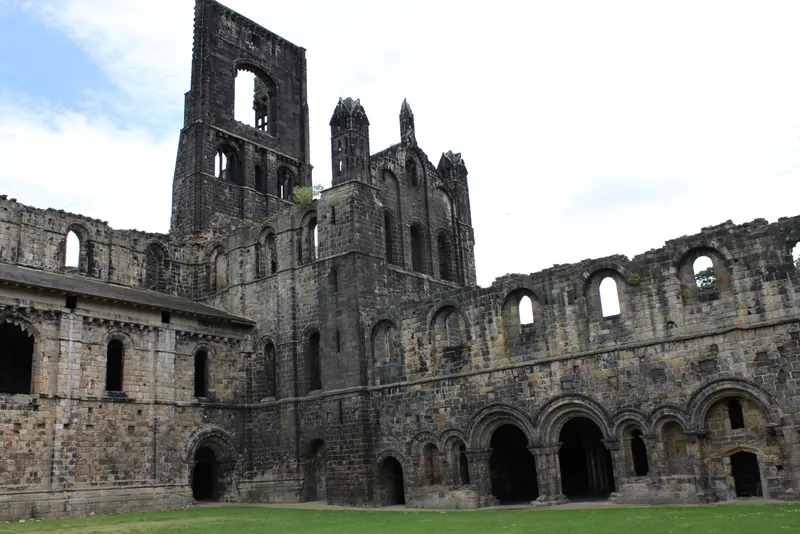
The ruins of a Cistercian abbey founded around 1152, in a public park beside the River Aire, with a museum in the old gatehouse area.
The first Bettys opened in Harrogate in 1919, and the café tea rooms and shop at 1 Parliament Street remain a town institution, with a bookable afternoon tea in the Imperial Room.
A free council gallery in Harrogate's original Promenade Rooms of 1806, near the Valley Gardens, showing historic, modern and contemporary art. It was closed for an exhibition changeover until 2 October 2026.
One of the Royal Horticultural Society's five public gardens, on the western edge of Harrogate. It is open daily except Christmas Day.
A North Yorkshire Council museum in the restored 1842 Pump Room, telling the story of Harrogate's spa from the discovery of its springs to twentieth-century treatments. Closed on Mondays.
Grade II* listed Victorian Turkish baths, open since 1897, with Moorish arches and glazed brickwork. They run timed bathing sessions, including a eucalyptus-infused steam room.
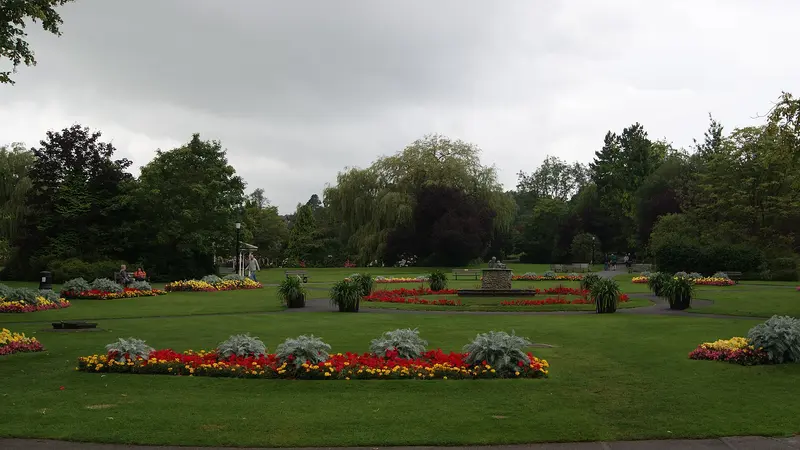
A 17-acre Grade II listed park laid out in 1887, with the Sun Pavilion and colonnades, flower beds, a playground and the restored Magnesia Well pump room.
A former Benedictine abbey church at the heart of the town since 1069, with free entry and a gift and coffee shop. Free guided tours of about 75 minutes run on set dates; donations are welcome.
The coast-to-coast walking and cycling route between Southport and Hornsea passes through Selby, and a 15-mile spur heads north from the town to York.
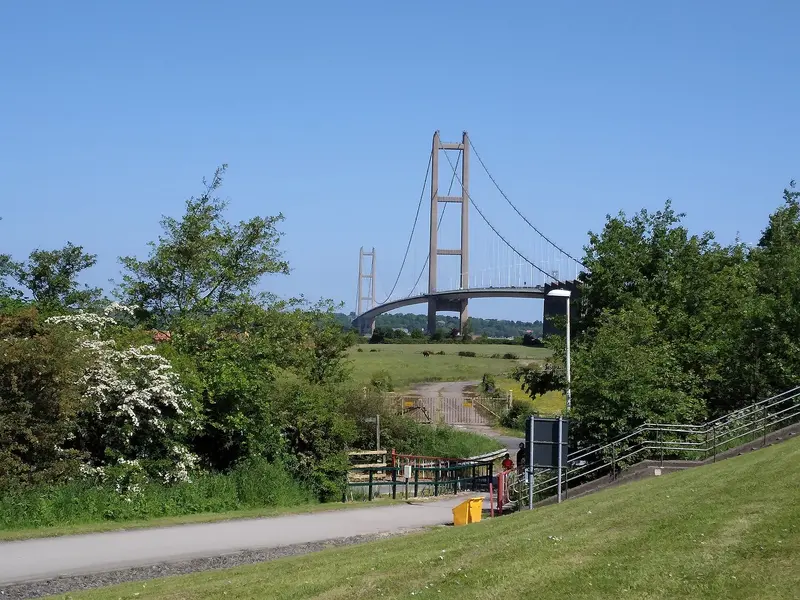
Opened in 1981, this Grade I listed suspension bridge spans about 1.4 miles of the Humber estuary. Its walkway is open to pedestrians and cyclists, and the surrounding estate has woodland paths and picnic spots.
A 79-mile National Trail from Hessle to Filey through the chalk hills of the Wolds, which passes by the eastern end of Brough.
Opened in 1927 and extended in 1991, the Ferens holds a collection spanning around 700 years, from late medieval painting to contemporary work, including a Frans Hals portrait.
Housed in the 1871 Dock Offices, the museum tells Hull's seafaring story and has been refurbished as part of the Hull Maritime project. Entry is free, though booking ahead is advised at busy times.
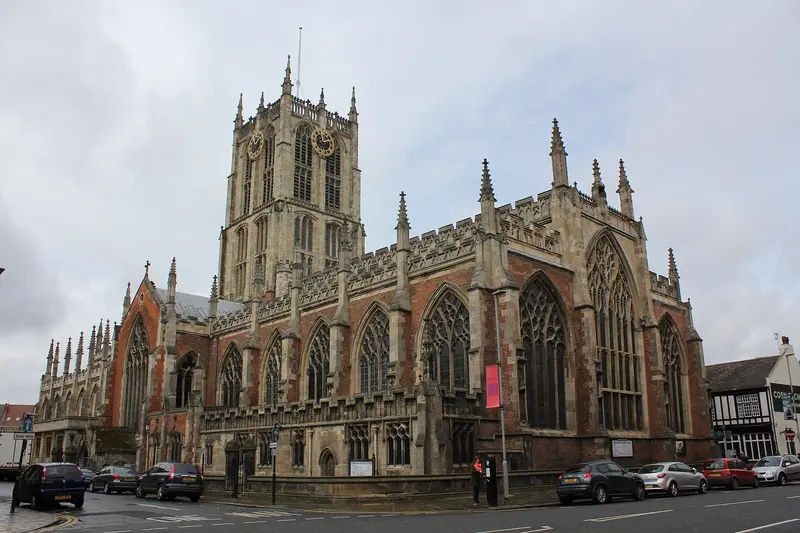
The city's great parish church, known as Holy Trinity until it was renamed Hull Minster in 2017. It anchors the Old Town and has a café inside; access can be limited during services and events.
A long-established producing theatre with a strong Northern voice, staging its own shows and touring work. It is one of the closest things to do from the station.
A hands-on transport museum in the Museums Quarter with a recreated 1940s high street, a vintage tram and early cars and bicycles covering around 200 years of travel.
A landmark aquarium on the point where the River Hull joins the Humber, opened in 2002 and run as an education and conservation charity. Expect big ocean tanks and daily talks; it is open every day except 24 and 25 December.
The birthplace of William Wilberforce is now a museum about the transatlantic slave trade, its abolition and its legacy. Some upstairs galleries contain distressing material that may not suit younger children.
The largest surviving part of York Castle, reached by steep steps up its mound. Inside, displays cover the tower's turbulent history, and the roof deck gives views across the city; English Heritage offers a discount if you arrive by public transport.
A Georgian townhouse near Clifford's Tower, restored by York Civic Trust and furnished with the Noel Terry collection of furniture, clocks and decorative arts.
A ride through a reconstruction of Viking-age Jorvik, built on the site where the objects on display were excavated, followed by a gallery of finds. Pre-booking is essential and bag checks apply.
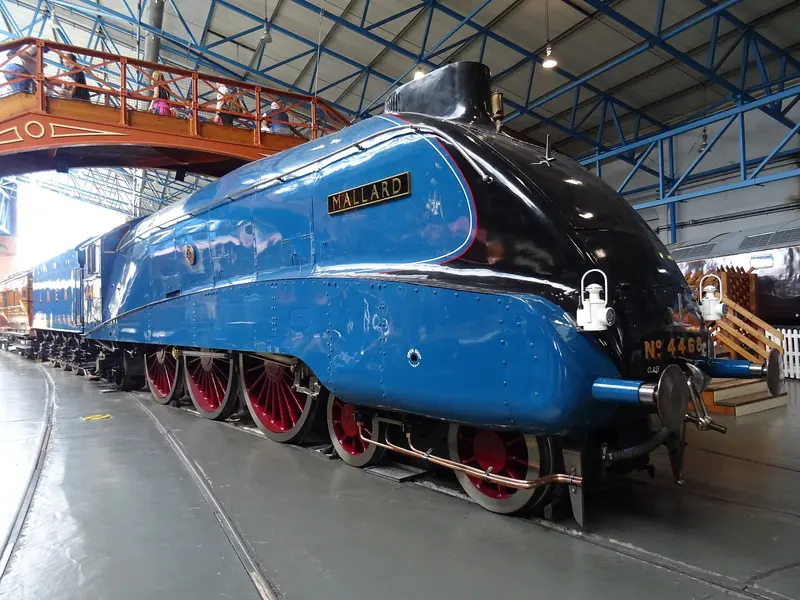
Part of the Science Museum Group, the museum tells the story of Britain's railways and is home to Mallard, a Japanese bullet train and many other famous locomotives. It stands right beside the station.
A social history museum inside former prison buildings from the 18th century, on the site of the castle built by William the Conqueror.
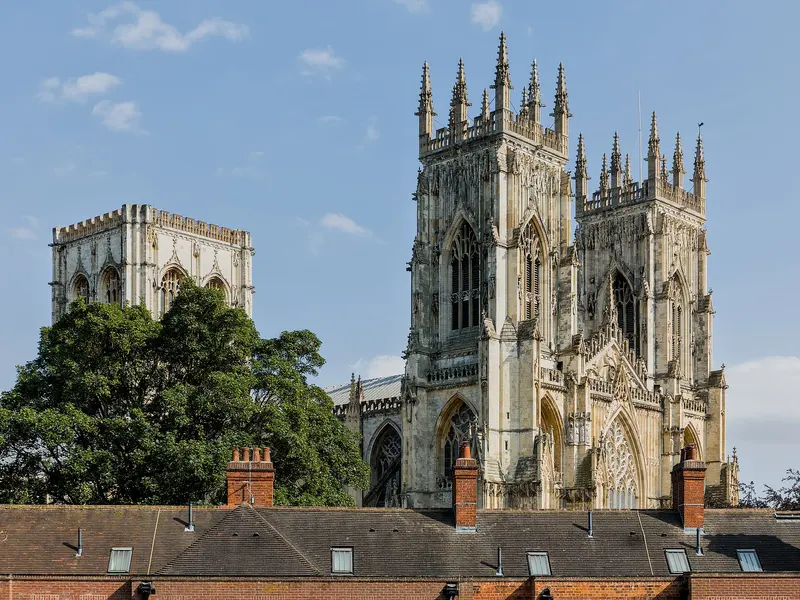
The seat of the Archbishop of York, with a church recorded on the site since 627; most of the present Gothic building went up between 1220 and 1472. Allow plenty of time to take in the scale of it.
York has the longest surviving town walls in England. The raised walkway forms a circular route around the centre and is free to walk throughout the year.
Opened in 1830, the Yorkshire Museum covers archaeology, natural history and geology, including Roman York. It sits in riverside gardens that are pleasant for a break.
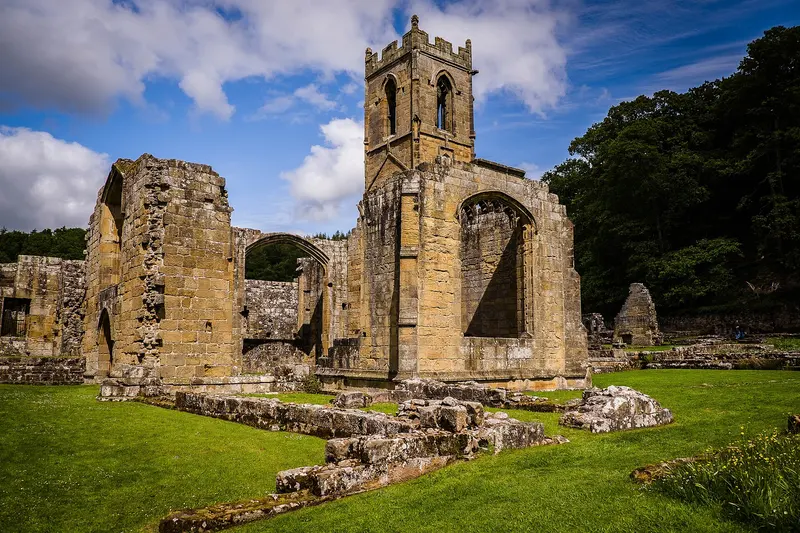
Founded in 1398, this was the last of the great Yorkshire monasteries and has the best-preserved ruins of any English charterhouse. The site also includes an Arts and Crafts house, terraced gardens and a café.
Designated in 1952, the national park contains the largest expanse of heather moorland in the UK, with walking and cycling routes of every length.
Northallerton's arts venue runs a busy programme of live music, comedy, touring shows, local productions and screened opera.
A museum in parkland by the Tees, best known for its walk-through Victorian street, with galleries, changing exhibitions and riverside paths.
A Grade II listed Art Deco theatre in Stockton town centre, now hosting shows and concerts.
The barrage controls the river level and is home to a 300-metre white water course and a large high-ropes climbing course, with riverside walks for a gentler visit. Activities are for ages eight and over.
Opened in 1978, 250 years after James Cook was born on this spot in Stewart Park, Marton. Displays follow his life from rural Yorkshire to his Pacific voyages.
A local and natural history museum beside Albert Park, with eight permanent galleries including Linthorpe Art Pottery and the work of the Victorian designer Christopher Dresser. Open Tuesday to Sunday.
Middlesbrough Institute of Modern Art opened in 2007 and has been part of Teesside University since 2014. It is hosting the Turner Prize in 2026 and shows the Middlesbrough Collection; it is closed on Mondays.
A Grade II* listed Victorian town hall that doubles as the town's main venue for concerts, comedy and touring shows.
A half-cone hill near Great Ayton with a jagged summit and fine views across North Yorkshire and Cleveland; the countryside is open all day. The car park at Newton under Roseberry is run by the national park authority.
The town's main theatre, on Parkgate in the town centre; see its website for the current programme of shows.
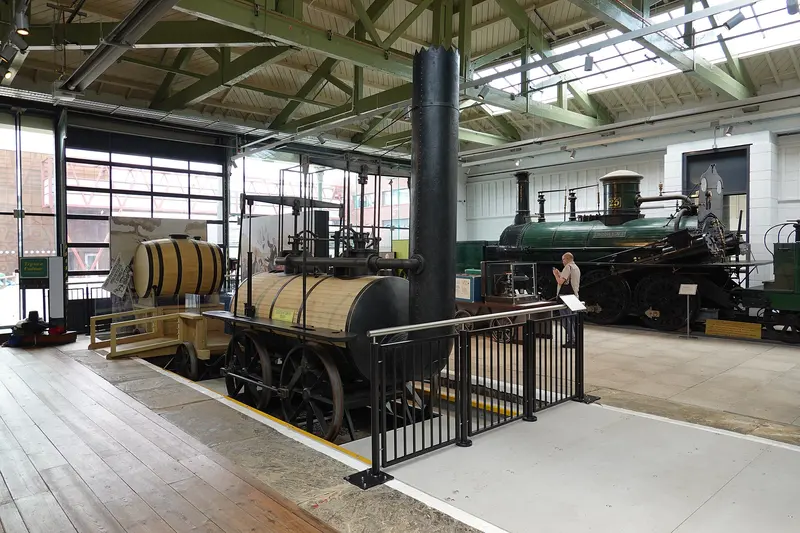
A railway-themed attraction on the 1825 Stockton and Darlington route, with a museum in the Grade II* listed North Road station, a ride, an adventure play area and the workshop where volunteers are building a new steam locomotive.
A 14th-century castle built by the Nevilles and set in a 200-acre deer park where red and fallow deer roam, with walled gardens, an adventure playground and places to eat.
A large open-air museum recreating everyday life in the North East, with historic streets, working transport and costumed staff. Opening days are reduced outside the main season.
A series of characterful linked gardens around a medieval hall on the edge of the city, now cared for by the National Trust.
Occupied since the 11th century and now a university college, the castle opens to visitors on guided tours led by trained student guides; tours are not available every day.
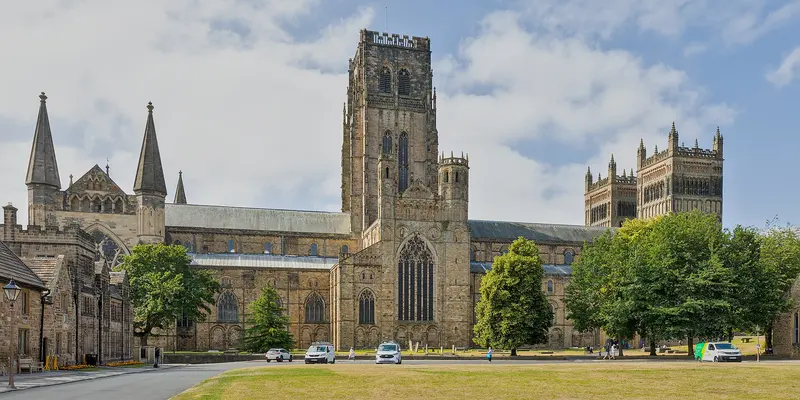
The great Norman cathedral holds the shrines of St Cuthbert, the North's best-loved saint, and the Venerable Bede. There is no admission charge, though visitors are asked to donate if they can.
A 10-hectare garden set in mature woodland on the southern edge of the city, with glasshouses ranging from tropical rainforest to desert cacti, native woodland and hidden sculptures.
Durham University's museum devoted to the art and archaeology of North Africa and Asia, from ancient Egypt to modern China, with changing special exhibitions.
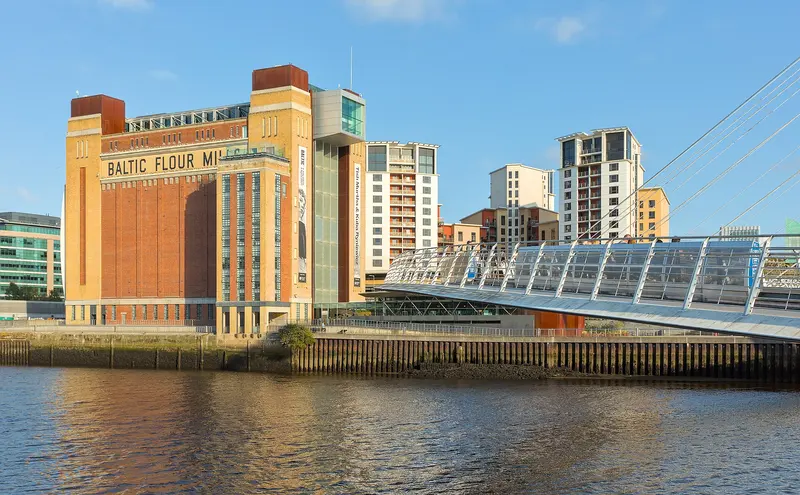
A converted flour mill on the Gateshead bank, opened in 2002, with constantly changing exhibitions and no permanent collection. Free entry; it opens Wednesday to Sunday.
Free science and local history museum whose star exhibit is Turbinia, the pioneering steam-turbine ship.
Natural history and ancient civilisations under one roof, first opened in 1884. Free entry; the museum suggests weekday afternoons after 2.30pm or Sundays for a quieter visit.
A 1904 Baroque-style gallery with paintings, watercolours, glass and Newcastle silver, plus regularly changing exhibitions. Free entry.
A hands-on science centre next to the station, with a planetarium, a space zone and making studios; all exhibits and shows are included in the ticket.
The Norman keep and the Black Gate stand on the site of the Roman fort that gave the city its start. Climb to the roof for one of the best views over the Tyne bridges.
The National Centre for Children's Books, in a converted Victorian mill in the Ouseburn Valley, with exhibitions celebrating British children's literature. Free entry.
The curvy riverside music centre, opened in 2004 as Sage Gateshead, is home to the Royal Northern Sinfonia and hosts concerts across many genres.
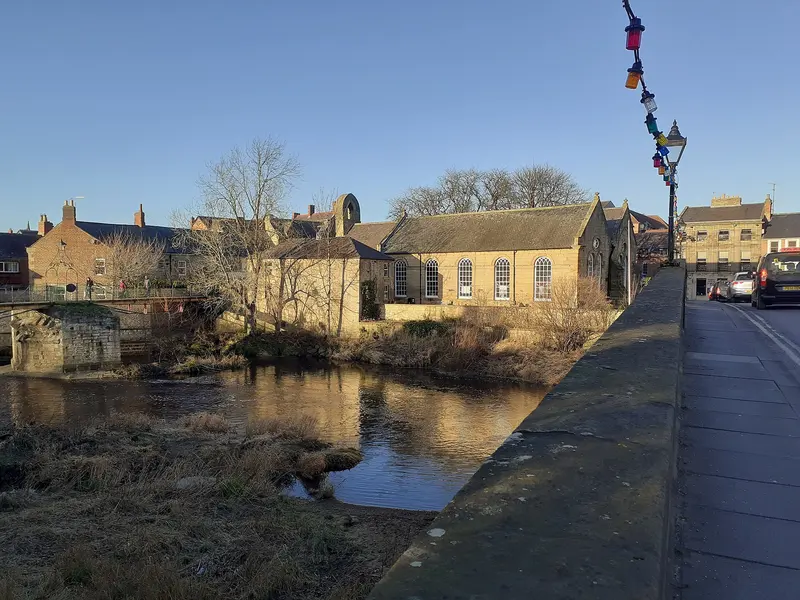
Billed as the first bagpipe museum in the UK, it holds a large collection of historic pipes, especially Northumbrian smallpipes and Border pipes. Free entry; closed on Sundays.
A country house with a walled garden, woodland and rolling estate, given to the National Trust in 1942. The house, garden and grounds keep separate hours.
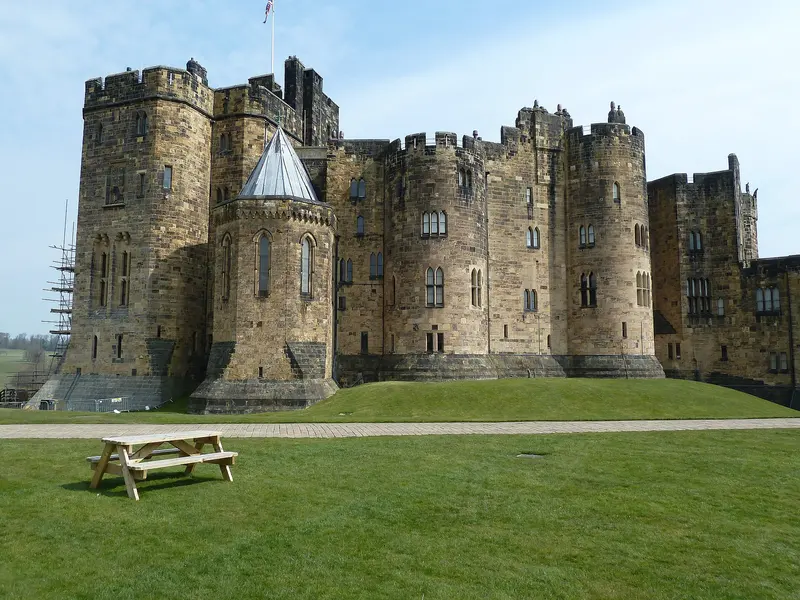
A Norman castle remodelled over the centuries and still the home of the Duke of Northumberland, with state rooms, exhibitions, guided tours and film-location trails. It opens for a visitor season rather than all year.
A vast second-hand bookshop in Alnwick's Victorian railway station, opened in 1991, with a café in the old station buffet. Open daily except Christmas Day.
A contemporary garden beside the castle with a grand water cascade, a bamboo labyrinth, rose and ornamental gardens and the Poison Garden, home to more than 100 toxic and narcotic plants.
The scant remains of a castle that was central to Anglo-Scottish warfare, and the later bastioned town walls that replaced it. Brown signs mark access points to the ramparts; some sections have steep unguarded drops.
The ruins of the priory on Holy Island, a cradle of early English Christianity, with its famous rainbow arch and a museum telling the island's story. Only reachable across the causeway at low tide.
Berwick's arts charity runs cinema, exhibitions and events across several venues in town, including screenings at the Barracks and the Granary Gallery.
A 30-mile coastal walking route between Cockburnspath and Berwick-upon-Tweed, passing St Abbs, Coldingham Bay and Eyemouth along the way.
Dramatic cliffs with a busy seabird colony in summer, wildflower grassland, the Mire Loch and a nature centre; grey seals breed on the beaches in November and December. The reserve is open daily and entry is free.
Around eight miles of coastline between Dunbar Castle and Pfeffer Sands, protected for its wildlife and geology, with a large outdoor play area and picnic tables.
The house where John Muir was born is now a museum about the inventor, botanist, writer and campaigner, towards the north end of the High Street.
A dramatic 14th-century cliff-top fortress facing the Bass Rock, and the last medieval curtain-wall castle built in Scotland.
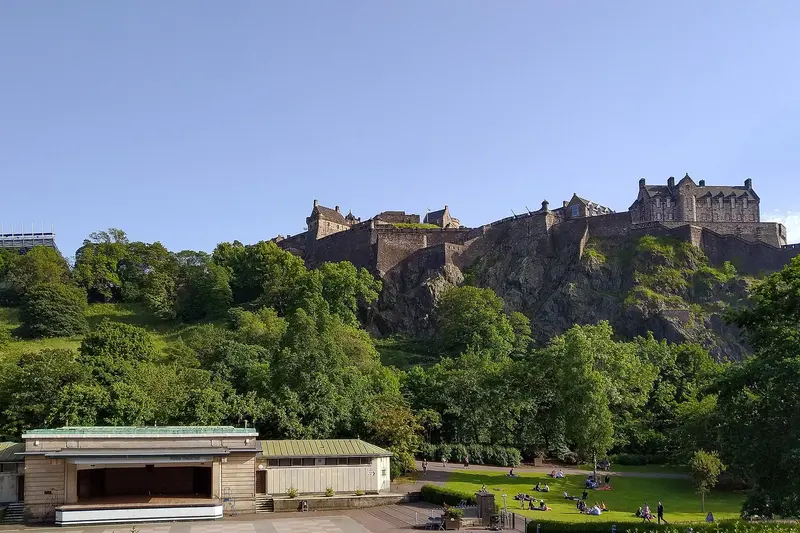
Perched on Castle Rock, the castle has been a royal residence, fortress, prison and treasury over nine centuries. Tickets often sell out, so book ahead – and buy only through the official site.
A wild 650-acre royal park on the city's doorstep, dominated by Arthur's Seat, an extinct volcano rising to 251 metres with panoramic views.
Scottish history and international collections in two connected buildings on Chambers Street, from natural history to science and world cultures. Free entry, with charges for some exhibitions.
The King's official residence in Scotland, at the foot of the Royal Mile, with the State Apartments, Mary, Queen of Scots' chambers and the ruined Holyrood Abbey. Open throughout the year.
Founded in 1670 as a physic garden, the garden is a major centre for plant science and a peaceful place to walk; its historic Palm Houses were due to reopen in October 2026 after restoration.
The Victorian Gothic spire in Princes Street Gardens honouring Sir Walter Scott, one of the largest monuments to a writer anywhere. Guided tours explain Scott's life and the monument's history.
Scotland's national gallery on The Mound – formerly the Scottish National Gallery – shows art from about 1300 to 1945, from Titian and Rembrandt to the Glasgow Boys. Free admission; open daily.
The former royal yacht, in service from 1954 to 1997, is now moored at Ocean Terminal in Leith and open to visitors, with lifts to each deck.
Run by the Royal Zoological Society of Scotland on the slopes of Corstorphine Hill, the zoo is home to more than 2,500 animals and was the first in the world to house and breed penguins.
Two galleries of modern and contemporary art facing each other on Belford Road, set in sculpture parks. Modern One is free; Modern Two hosts changing exhibitions.
Scotland's national rugby stadium and its largest stadium, opened in 1925. Daily behind-the-scenes tours include the tunnel walk and items from the Scottish Rugby heritage collection.
The riverside walkway threads through the city past Dean Village, a former milling village below the Dean Bridge. The Water of Leith Conservation Trust posts current path closures on its website.
An aquarium in North Queensferry known for its sand tiger sharks, with talks and feeds through the day. Its nearest station is North Queensferry, one stop south.
The remains of a large medieval Benedictine abbey beside a working parish church. The abbey is free to visit, though the palace ruins are currently closed.
A long-distance trail of around 117 miles from Kincardine to Newburgh, split into day sections; North Queensferry, below the bridges, is on the route.
The 1890 Forth Bridge, the 1964 Forth Road Bridge and the 2017 Queensferry Crossing stand side by side over the firth. The cantilevered rail bridge is a UNESCO World Heritage Site – and you cross it on the train.
For more than 125 years at the heart of the town's cultural life, recently refurbished, with drama, music, comedy and community galleries.
The 117-mile trail follows the Fife coast from Kincardine to Newburgh; the Fife Coast and Countryside Trust, which looks after it, is based in Dysart on Kirkcaldy's eastern edge and lists Kirkcaldy's beaches among its sites.
The town's museum, art gallery and library under one roof, with permanent displays on Kirkcaldy's industrial and social history, changing exhibitions and a café overlooking the War Memorial Gardens.
Begun in 1460 for Queen Mary of Gueldres and finished by the Sinclairs, its massive 3.5-metre walls show how gunpowder artillery changed castle design.
Formerly the British Golf Museum, it traces more than 400 years of the game through immersive galleries, opposite the Royal and Ancient clubhouse.
An aquarium with more than 120 species, from penguins and meerkats to sharks, with daily feeding talks.
The cliff-top palace of the bishops and archbishops of St Andrews, entered through a visitor centre displaying carved fragments. Tickets are needed.
The ruins of the cathedral begun in 1158, once the largest church in Scotland and the centre of the medieval Scottish church. You can walk the grounds of this prominent landmark, visible from land and sea.
The Old Course is often called the oldest golf course in the world and is a public course held in trust by the St Andrews Links Trust.
Shifting sand dunes, beaches, lochs and pine forest north of Leuchars, where seals haul out on the sandbanks and wading birds feed on the mudflats.
Go aboard the Royal Research Ship Discovery, which was built in Dundee's shipyards and carried Captain Scott's Antarctic expedition, then explore the story of polar exploration in the visitor centre alongside.
DCA combines contemporary art galleries, an independent cinema, a print studio and a café-bar in the city centre – a good place to spend a rainy afternoon or an evening.
Dundee's art gallery and museum fills a Gothic Revival building with eight galleries covering the city's history, natural history and art. Entry is free (as of September 2026).
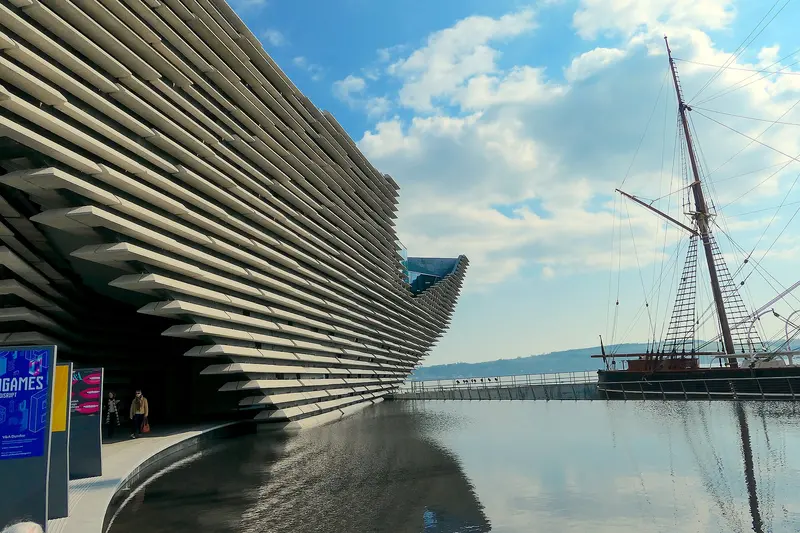
Scotland's design museum stands on Dundee's waterfront and stages major exhibitions – David Bowie: On Tour opens on 4 November 2026. General admission is free (as of September 2026), with charges for some exhibitions.
A refurbished mill building where working machinery and personal stories explain how jute shaped Dundee's industry and the lives of its mill workers.
Founded in 1178 and one of medieval Scotland's grandest monasteries, the abbey is famous for its twin-towered west front and its 'Round O' window. The visitor centre tells the story of the Declaration of Arbroath.
A Scottish Wildlife Trust reserve of red sandstone cliffs with sea caves, stacks, blowholes and arches, reached on foot from the promenade. Stick to the waymarked paths: the Trust warns of unstable edges and part of the path is closed (as of September 2026).
Built in 1813 as the shore station for the Bell Rock Lighthouse, the Signal Tower became a museum in 1974 and now covers the lighthouse, the harbour and Arbroath's fishing heritage.
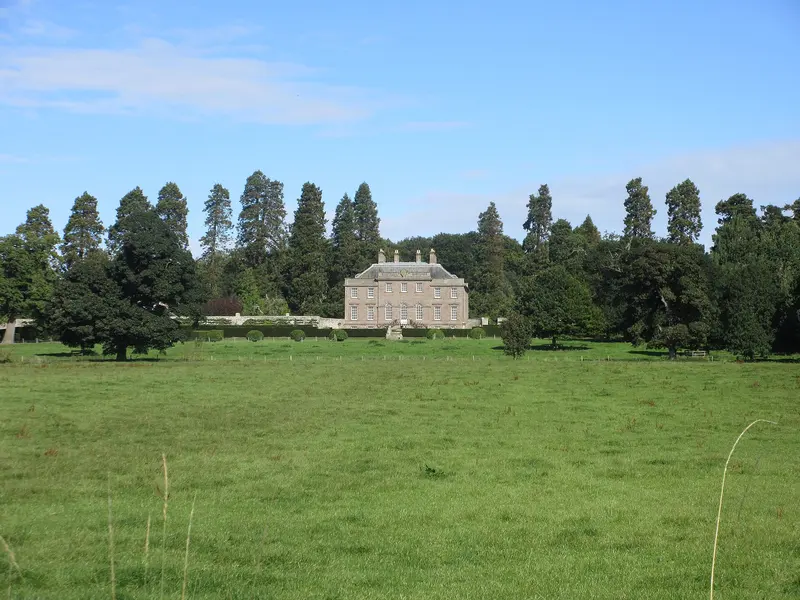
A Georgian house designed by William Adam and built in 1743, with fine plasterwork, formal gardens and woodland walks overlooking Montrose Basin. It is run by the National Trust for Scotland.
Montrose Air Station opened in February 1913 as Britain's first operational military air station and closed in 1952. The volunteer-run museum includes a full-size replica B.E.2a aircraft and tells the stories of those who served there.
An enclosed estuary of the South Esk that attracts over 100,000 migratory birds in autumn and winter. The Scottish Wildlife Trust's visitor centre has telescopes and panoramic views across the reserve.
Founded in 1842 by the town's Natural History and Antiquarian Society, this temple-fronted museum covers local, natural and maritime history, from early archaeology to the Jacobites. Entry is free (as of September 2026).
A dramatic clifftop ruin on a rocky outcrop above the North Sea, linked with William Wallace and Mary Queen of Scots and best known for protecting the Honours of Scotland from Oliver Cromwell's troops.
Opened in 1934, this heated, Olympic-sized art deco lido is filled with seawater. It is a summer attraction: the main season ends in early September, with a cold-water season announced for November (as of September 2026).
The harbourside Tolbooth is the oldest building in Stonehaven and, as a volunteer-run museum, displays items from its days as a prison and from the town's past.
The city's main gallery, on Schoolhill, shows the city's art collection alongside changing exhibitions and has cafés on two levels. Admission is free (as of September 2026).
Set on historic Shiprow above the harbour, the museum traces Aberdeen's relationship with the sea, from trading, fishing and shipbuilding to offshore energy. Free entry (as of September 2026).
Dating from 1545, this is Aberdeen's oldest surviving townhouse, now a museum celebrating notable people from the city and the North-East. It opens seasonally, April to October, Thursday to Monday (2026).
A place of worship since around 600, with the present building begun in the early 15th century and a famous heraldic ceiling of 1520. It stands at the heart of Old Aberdeen.
A grand house in more than 170 acres of parkland that includes part of the Antonine Wall, a UNESCO World Heritage Site. House, exhibitions and Georgian kitchen are free to visit; closed on Tuesdays (as of September 2026).
The world's only rotating boat lift raises boats 115 feet between two canals. Watch it turn, or take the boat trip that rides the wheel and sails through the Roughcastle Tunnel.
Andy Scott's Kelpies are 30-metre-high monuments to horse-powered heritage; a guided tour is the only way to see inside. The surrounding Helix park has a visitor centre, café and lagoon.
The site of Robert the Bruce's victory in 1314, with a memorial park, restored monuments and Pilkington Jackson's bronze statue of Bruce. The visitor centre is closed for redevelopment until mid-2028, but the grounds and monuments stay open (as of September 2026).
One of Scotland's great castles, with ramparts and three enclosures to explore, the Great Hall and the refurbished Royal Palace of James V. Book ahead to guarantee entry at busy times.
A Victorian jail brought to life by costumed performance tours that leave every 30 minutes, plus darker evening tours around Halloween.
A landmark tower on Abbey Craig telling the story of William Wallace, who led his troops to victory at the Battle of Stirling Bridge. Tickets are sold by timed entry slot.
A red sandstone tower from the 1100s, an ornate Gothic west doorway and rare 15th-century choir stalls make this one of Scotland's noblest medieval churches. Entry is free; as a working church it can close for services and events.
Volunteer-run themed rooms covering Dunblane's long history, from a 4,000-year-old necklace to the Battle of Sheriffmuir and the Murray brothers' tennis careers. Free entry; open April to mid-October, Monday to Saturday (2026).
A celebrated hotel and golf resort with the King's, Queen's and PGA Centenary championship courses, plus restaurants, a spa and country pursuits.
A Highland single malt distillery in Blackford whose site has a brewing and distilling history it traces back to 1488. Guided tours need booking.
A two-acre hillside garden begun in 1922 on the slopes of Kinnoull Hill and famed for rare plants such as Himalayan blue poppies. National Trust for Scotland; closed in winter.
Home of the Stone of Destiny, the ancient coronation stone, alongside collections that place Perth and Kinross at the centre of Scotland's story, in an Edwardian hall transformed by the architects Mecanoo. Viewing the Stone is free, and tickets can be booked in advance.
The city's main stages for drama, music, comedy and family shows, run together by Horsecross Arts.
The crowning place of Scottish kings, with state rooms, gardens, a pinetum and maze. Open daily from 1 April to 31 October in 2026.
Balhousie Castle holds the story of the Black Watch, Scotland's oldest Highland regiment, from its formation in 1739 onwards, with a bistro and shop.
An exhibition and garden at Birnam Arts explore Beatrix Potter's childhood summers in Perthshire; the picture letter that became The Tale of Peter Rabbit was written while she stayed in Dunkeld in 1893.
The choir, from the late 1200s, is still the parish church; the roofless nave, begun in 1406, is closed for conservation work, but the riverside grounds remain open (as of September 2026).
A Scottish Wildlife Trust reserve where ospreys return to a nest about 150 metres from the hides. Best for ospreys from April to August; red squirrels all year.
Towering Douglas firs line the paths to the Black Linn Falls, best seen from the 1757 folly of Ossian's Hall. In autumn you may see salmon leaping.
A wooded river gorge where the Battle of Killiecrankie was fought on 27 July 1689. Visit Soldier's Leap and look out for red squirrels; the visitor centre and site are free, with a charge for parking.
The dam and power station began generating in 1950 as part of the Tummel Valley scheme. Its famous fish ladder of 34 tiered pools helps salmon and sea trout upstream, and the visitor centre explains how.
Scotland's 'Theatre in the Hills' has staged work since 1951; its 2026 season includes My Fair Lady from 21 November to 31 December. The Explorers Garden alongside is open daily except Mondays in season (2026).
Six waymarked trails start near the village, from the one-mile Red Squirrel Trail to the 10-mile Glen Tilt Trail. During stag stalking (1 August to 20 October) keep to main paths.
The Atholl family's seat for over 750 years, with 18th-century interiors, Scots Baronial architecture and gardens. Open daily from 1 April to 30 October in 2026.
A small, free museum on Main Street telling the story of Clan Macpherson through artefacts such as the Black Chanter and the Cumberland Medallion. Open 1 April to 31 October (2026).
Over 35 historic buildings across a mile-long site, from a 1700s township to 20th-century homes, with costumed interpreters. Entry is free; the 2026 season runs from 1 April to 25 October.
Ten square kilometres of River Spey floodplain between Kingussie and Kincraig, home to breeding curlews, lapwings, redshanks and snipe. There are no toilets on site.
Government barracks built in the early 1700s to police the Highlands. A Jacobite attack failed in 1745, but a stronger one forced its surrender the following year. Free to visit and open all year.
Ride the UK's highest funicular railway, or try the mountain carts, bike park and play areas in summer and snowsports in winter.
Britain's only free-ranging reindeer herd has roamed the Cairngorms since 1952. Guided hill trips run on most days from the centre in Glenmore.
An estate of ancient Caledonian pine forest in the heart of the Cairngorms, with walks to Loch an Eilein, a farm shop, a café and outdoor activities.
A heritage railway running steam and diesel trains from Aviemore to Boat of Garten and Broomhill. It does not run every day, so check the timetable.
The arched stone bridge over the River Dulnain that gave the village its name is described as the oldest stone bridge in the Highlands.
An adventure park in the forest with 22 attractions including treetop nets, Dinosaur Kingdom, wild water coasters and climbing challenges. Its summer season runs from 27 March to 25 October in 2026.
Walk the moor where the 1745 Jacobite Rising ended in 1746, then visit the museum and 360-degree battle immersion theatre. National Trust for Scotland; the battlefield is open all year.
The city's theatre and cinema, with touring musicals, drama, comedy and films; it is celebrating 50 years in 2026.
The UK's most northerly botanic gardens, with seasonal planting and a café. Allow an hour or so.
Free museum on Castle Wynd covering the history, culture and art of the Highlands. Hours are shorter from November to March, and it is closed on Sundays and Mondays.
Interactive installations and exhibitions inside the castle explore the 'Spirit of the Highlands' – its landscapes, people and heritage – with a café and shop.
Nothing matches that region yet. Try another region or type.
Distances are approximate and measured from the station. Opening times, prices and booking rules change, so check the official website before you travel.
Check live times and fares with LNER, or compare prices on Trip.com. Book early for the best chance of a cheaper Advance fare.