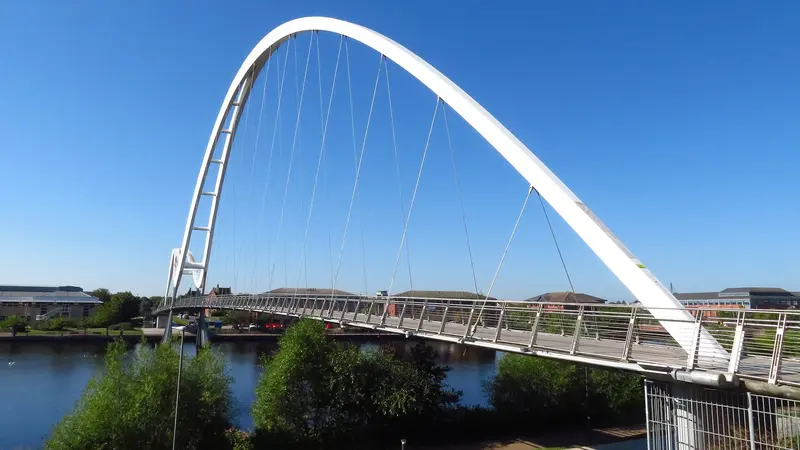
Photo: Colin Park, CC BY-SA 2.0
North East England TBY
Thornaby
Thornaby by train: a Teesside stop for Stockton-on-Tees, the Tees Barrage and Preston Park. One direct LNER train each way on weekdays.
Region
Tees, Durham, Tyne and Northumberland
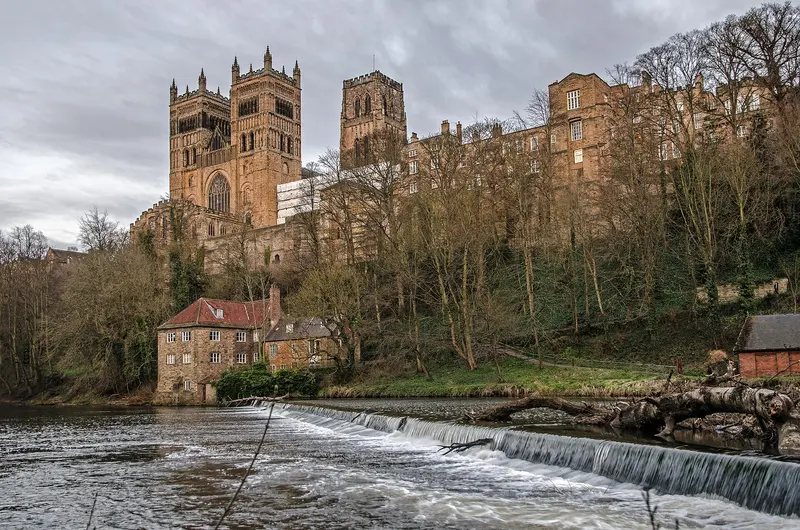
Durham Cathedral and Castle above the River Wear, together a UNESCO World Heritage Site.Photo: Sebastian Mierzwa, CC BY-SA 4.0
Beyond Yorkshire the line crosses the Tees at Darlington, passes Durham's cathedral city and crosses the Tyne into Newcastle before heading up through Northumberland to Berwick-upon-Tweed. A separate LNER train serves Thornaby and Middlesbrough on Teesside.
Railway history runs deep here: the Stockton and Darlington Railway, opened in 1825, was the world's first public railway to use steam locomotives, and further north Robert Stephenson's Royal Border Bridge still carries the main line into Berwick.
Photo: Colin Park, CC BY-SA 2.0
North East England TBY
Thornaby by train: a Teesside stop for Stockton-on-Tees, the Tees Barrage and Preston Park. One direct LNER train each way on weekdays.
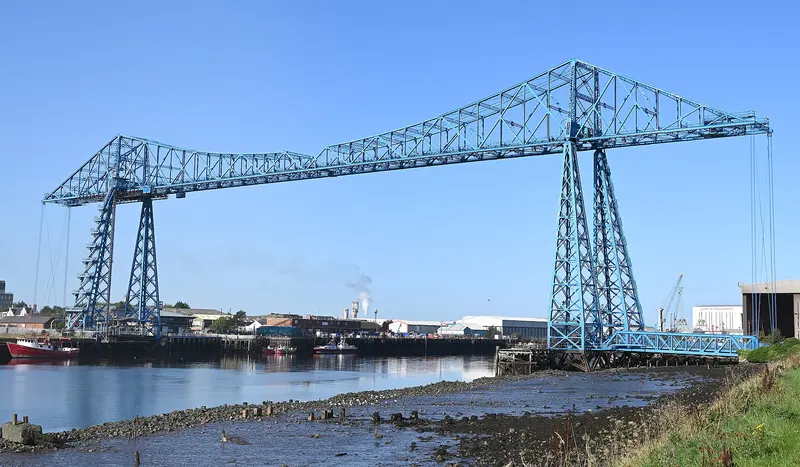
Photo: The joy of all things, CC BY-SA 4.0
North East England MBR
Middlesbrough by train: modern art at MIMA, Captain Cook's birthplace and the North York Moors nearby. One direct LNER train each way on weekdays.
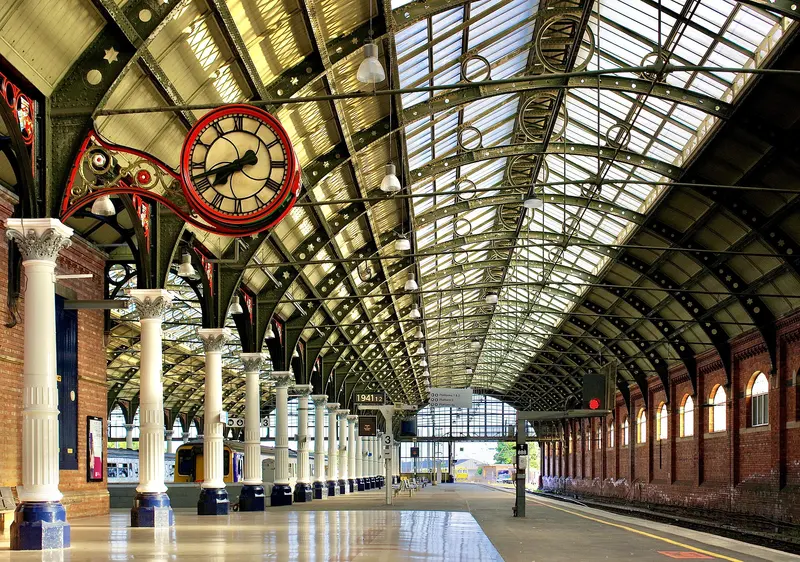
Photo: Matt Buck, CC BY-SA 2.0
North East England DAR
Darlington by train: home of the 1825 Stockton and Darlington Railway, with Hopetown's rail heritage site, the Hippodrome and Raby Castle nearby.
Photo: Sebastian Mierzwa, CC BY-SA 4.0
North East England DHM
Durham by train: a cathedral and castle World Heritage Site on a river peninsula, a short walk downhill from the station.
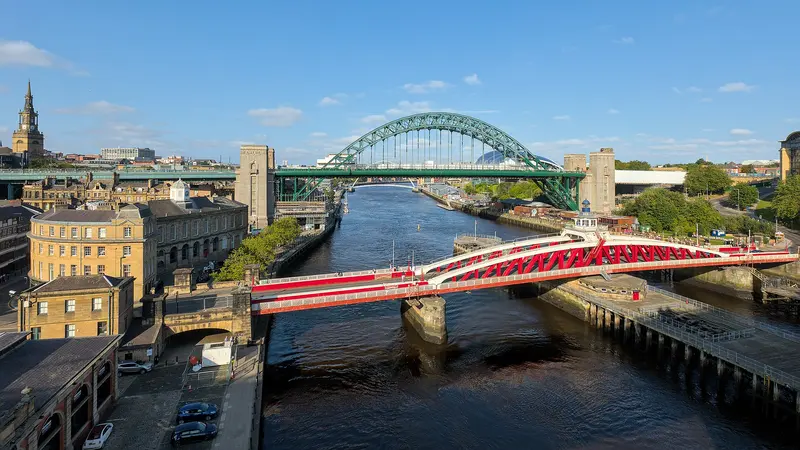
Photo: Benjamin Smith, CC BY-SA 4.0
North East England NCL
Newcastle by train: a city-centre station steps from the castle, with the Quayside, BALTIC and free museums close by. About 2 hours 40 minutes from London.
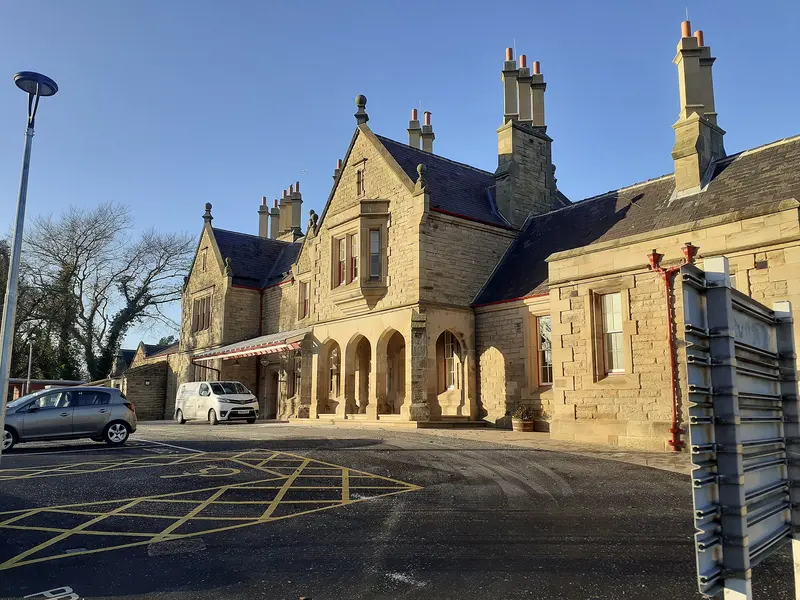
Photo: Dreamy Jazz, CC BY-SA 4.0
North East England MPT
Morpeth by train: a historic Northumberland market town on the River Wansbeck, with a bagpipe museum and Wallington nearby. Few LNER trains stop.
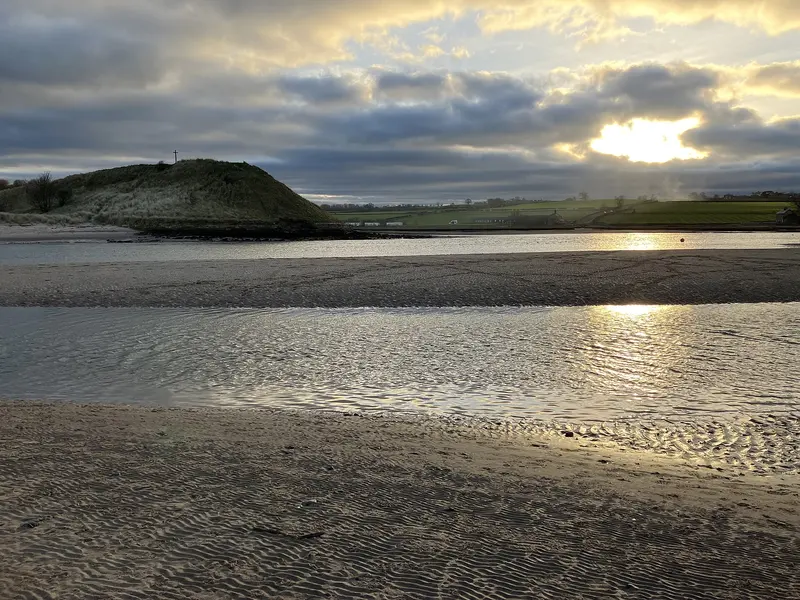
Photo: Anthony Foster, CC BY-SA 2.0
North East England ALM
Alnmouth by train: the station for Alnwick Castle, The Alnwick Garden and the Northumberland coast. LNER calls about every two hours.
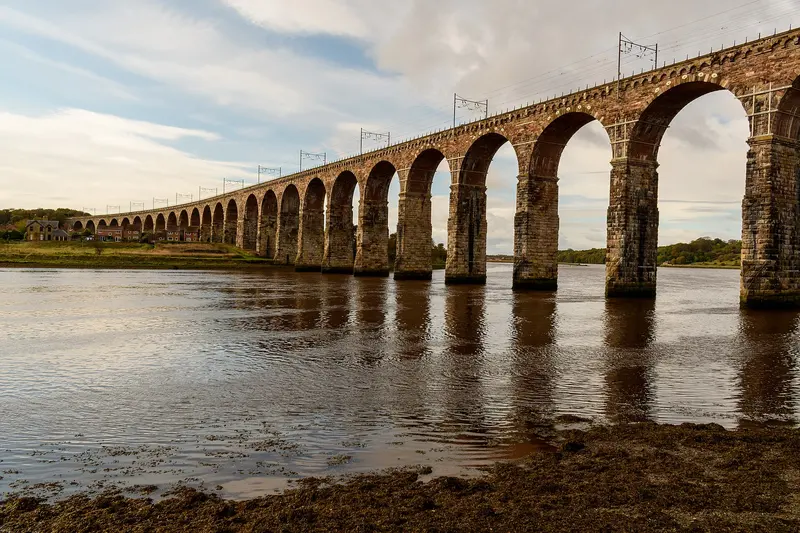
Photo: Simon Cobb, CC0
North East England BWK
Berwick-upon-Tweed by train: England's northernmost town, ringed by Elizabethan ramparts, with the Royal Border Bridge and Holy Island nearby.
The barrage controls the river level and is home to a 300-metre white water course and a large high-ropes climbing course, with riverside walks for a gentler visit. Activities are for ages eight and over.
A museum in parkland by the Tees, best known for its walk-through Victorian street, with galleries, changing exhibitions and riverside paths.
A Grade II listed Art Deco theatre in Stockton town centre, now hosting shows and concerts.
Middlesbrough Institute of Modern Art opened in 2007 and has been part of Teesside University since 2014. It is hosting the Turner Prize in 2026 and shows the Middlesbrough Collection; it is closed on Mondays.
A local and natural history museum beside Albert Park, with eight permanent galleries including Linthorpe Art Pottery and the work of the Victorian designer Christopher Dresser. Open Tuesday to Sunday.
Opened in 1978, 250 years after James Cook was born on this spot in Stewart Park, Marton. Displays follow his life from rural Yorkshire to his Pacific voyages.
A Grade II* listed Victorian town hall that doubles as the town's main venue for concerts, comedy and touring shows.
A half-cone hill near Great Ayton with a jagged summit and fine views across North Yorkshire and Cleveland; the countryside is open all day. The car park at Newton under Roseberry is run by the national park authority.
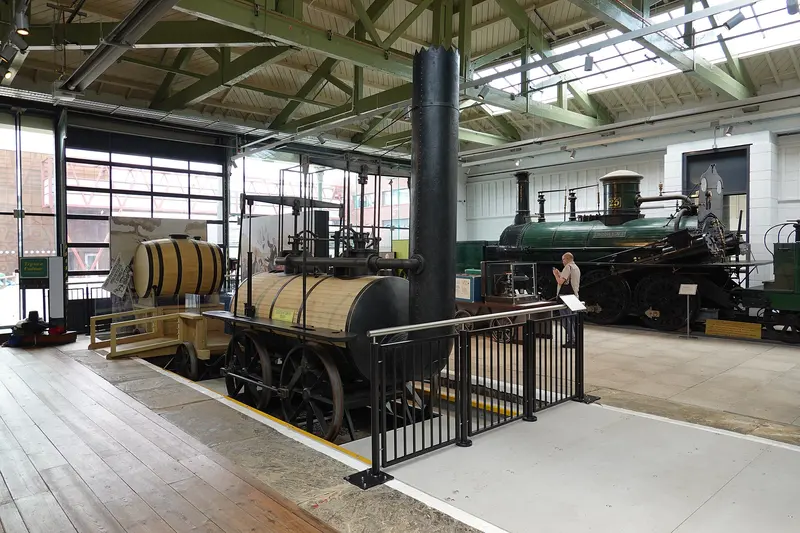
A railway-themed attraction on the 1825 Stockton and Darlington route, with a museum in the Grade II* listed North Road station, a ride, an adventure play area and the workshop where volunteers are building a new steam locomotive.
The town's main theatre, on Parkgate in the town centre; see its website for the current programme of shows.
A 14th-century castle built by the Nevilles and set in a 200-acre deer park where red and fallow deer roam, with walled gardens, an adventure playground and places to eat.
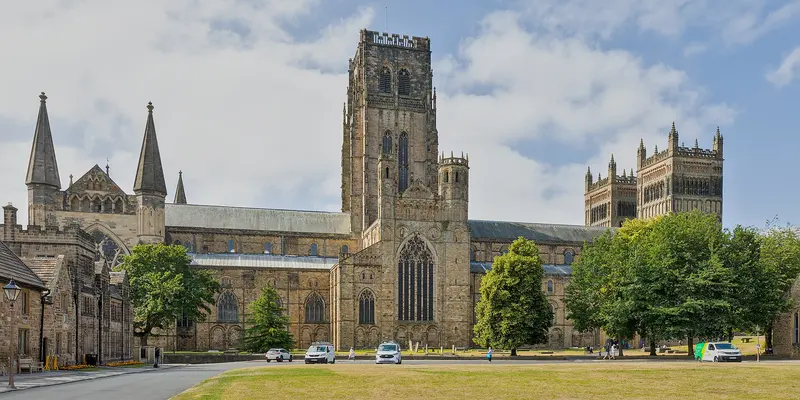
The great Norman cathedral holds the shrines of St Cuthbert, the North's best-loved saint, and the Venerable Bede. There is no admission charge, though visitors are asked to donate if they can.
Occupied since the 11th century and now a university college, the castle opens to visitors on guided tours led by trained student guides; tours are not available every day.
Durham University's museum devoted to the art and archaeology of North Africa and Asia, from ancient Egypt to modern China, with changing special exhibitions.
A 10-hectare garden set in mature woodland on the southern edge of the city, with glasshouses ranging from tropical rainforest to desert cacti, native woodland and hidden sculptures.
A series of characterful linked gardens around a medieval hall on the edge of the city, now cared for by the National Trust.
A large open-air museum recreating everyday life in the North East, with historic streets, working transport and costumed staff. Opening days are reduced outside the main season.
The Norman keep and the Black Gate stand on the site of the Roman fort that gave the city its start. Climb to the roof for one of the best views over the Tyne bridges.
A hands-on science centre next to the station, with a planetarium, a space zone and making studios; all exhibits and shows are included in the ticket.
Free science and local history museum whose star exhibit is Turbinia, the pioneering steam-turbine ship.
A 1904 Baroque-style gallery with paintings, watercolours, glass and Newcastle silver, plus regularly changing exhibitions. Free entry.
Natural history and ancient civilisations under one roof, first opened in 1884. Free entry; the museum suggests weekday afternoons after 2.30pm or Sundays for a quieter visit.
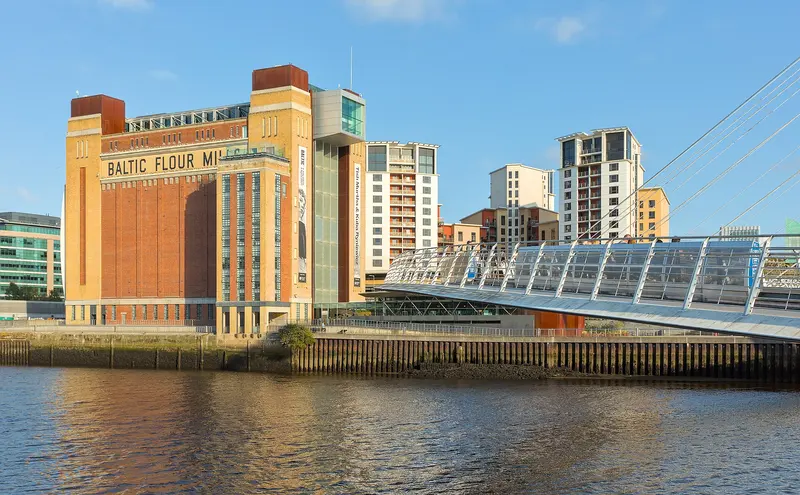
A converted flour mill on the Gateshead bank, opened in 2002, with constantly changing exhibitions and no permanent collection. Free entry; it opens Wednesday to Sunday.
The curvy riverside music centre, opened in 2004 as Sage Gateshead, is home to the Royal Northern Sinfonia and hosts concerts across many genres.
The National Centre for Children's Books, in a converted Victorian mill in the Ouseburn Valley, with exhibitions celebrating British children's literature. Free entry.
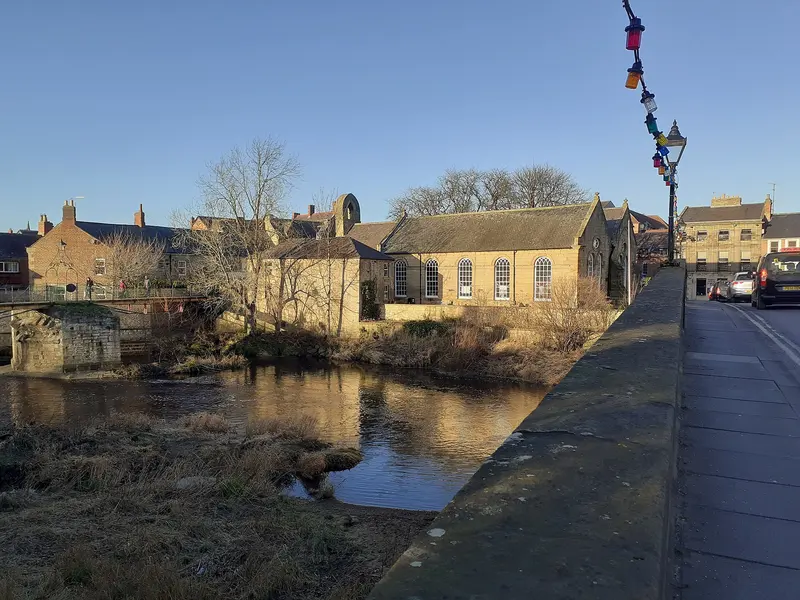
Billed as the first bagpipe museum in the UK, it holds a large collection of historic pipes, especially Northumbrian smallpipes and Border pipes. Free entry; closed on Sundays.
A country house with a walled garden, woodland and rolling estate, given to the National Trust in 1942. The house, garden and grounds keep separate hours.
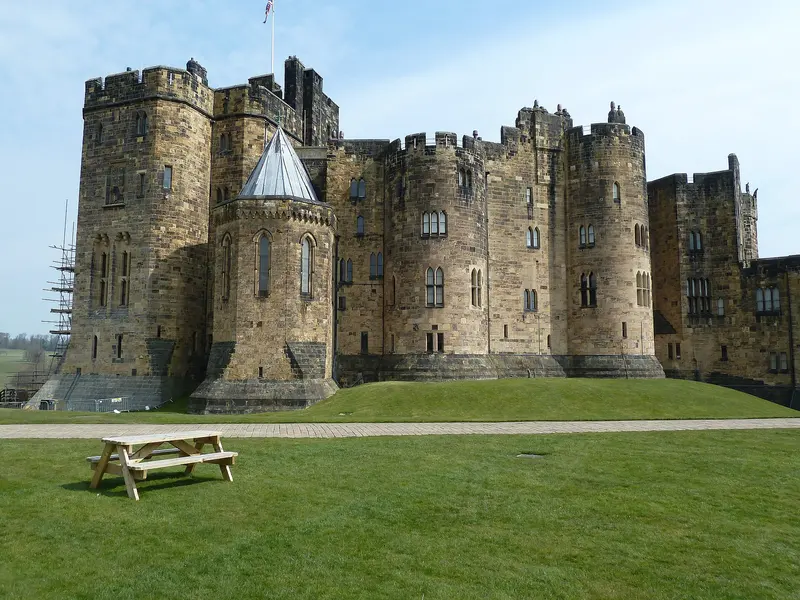
A Norman castle remodelled over the centuries and still the home of the Duke of Northumberland, with state rooms, exhibitions, guided tours and film-location trails. It opens for a visitor season rather than all year.
A contemporary garden beside the castle with a grand water cascade, a bamboo labyrinth, rose and ornamental gardens and the Poison Garden, home to more than 100 toxic and narcotic plants.
A vast second-hand bookshop in Alnwick's Victorian railway station, opened in 1991, with a café in the old station buffet. Open daily except Christmas Day.
The scant remains of a castle that was central to Anglo-Scottish warfare, and the later bastioned town walls that replaced it. Brown signs mark access points to the ramparts; some sections have steep unguarded drops.
The ruins of the priory on Holy Island, a cradle of early English Christianity, with its famous rainbow arch and a museum telling the island's story. Only reachable across the causeway at low tide.
Berwick's arts charity runs cinema, exhibitions and events across several venues in town, including screenings at the Barracks and the Granary Gallery.
Check live times and fares with LNER, or compare prices on Trip.com. Book early for the best chance of a cheaper Advance fare.