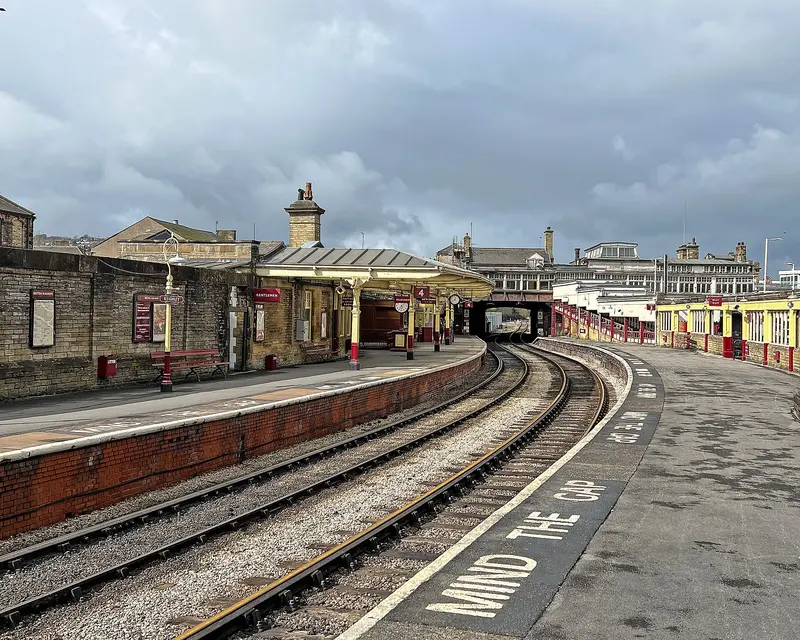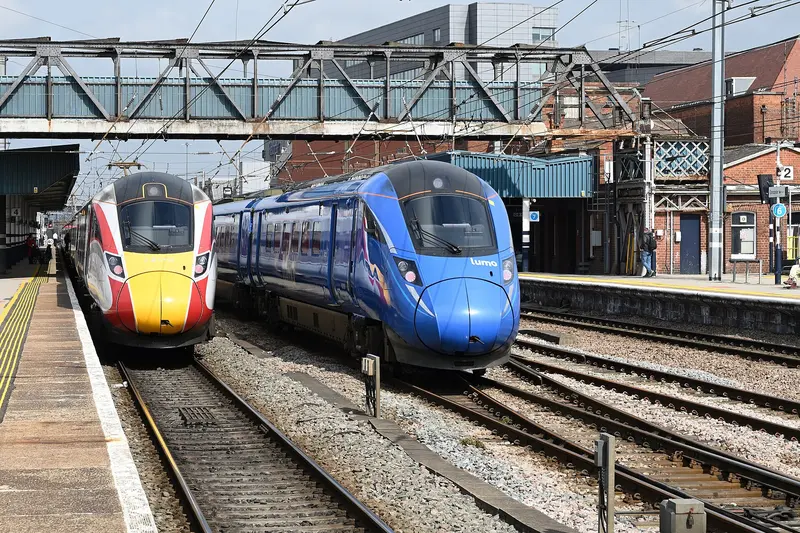
Photo: The joy of all things, CC BY 4.0
Yorkshire DON
Doncaster
Doncaster by train: a railway city with a free museum and rail heritage centre, a Scott-designed minster, famous racecourse and a big wildlife park.
Region
York, Leeds, the Dales fringe and Hull
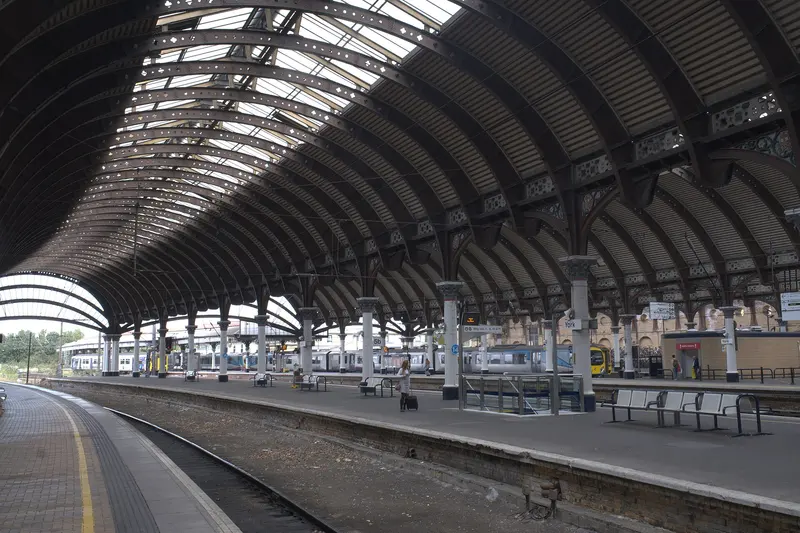
York's curved train shed, carried on cast-iron columns, has sheltered the platforms since the station opened in 1877.Photo: Bob Harvey, CC BY-SA 2.0
Yorkshire is where the LNER network branches out most. The main line runs through Doncaster and York, while other LNER trains head west to Wakefield and Leeds and on to Bradford, Harrogate and Skipton, or east to Selby and Hull.
That makes the region the best-connected part of the network after London: historic cities, spa towns, industrial heritage and the edge of the Yorkshire Dales are all reachable on direct trains.
Photo: The joy of all things, CC BY 4.0
Yorkshire DON
Doncaster by train: a railway city with a free museum and rail heritage centre, a Scott-designed minster, famous racecourse and a big wildlife park.
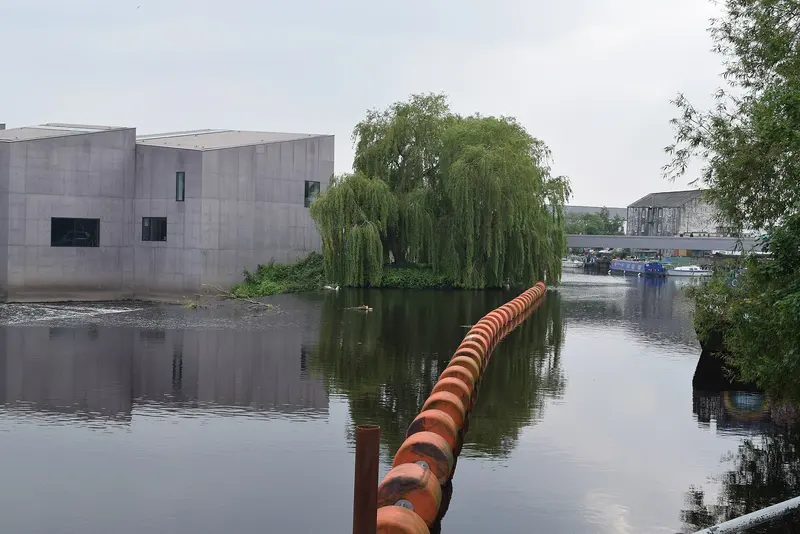
Photo: Mtaylor848, CC0
Yorkshire WKF
Wakefield by train: The Hepworth gallery, a cathedral with Yorkshire's tallest spire, a Matcham theatre and the Yorkshire Sculpture Park nearby.
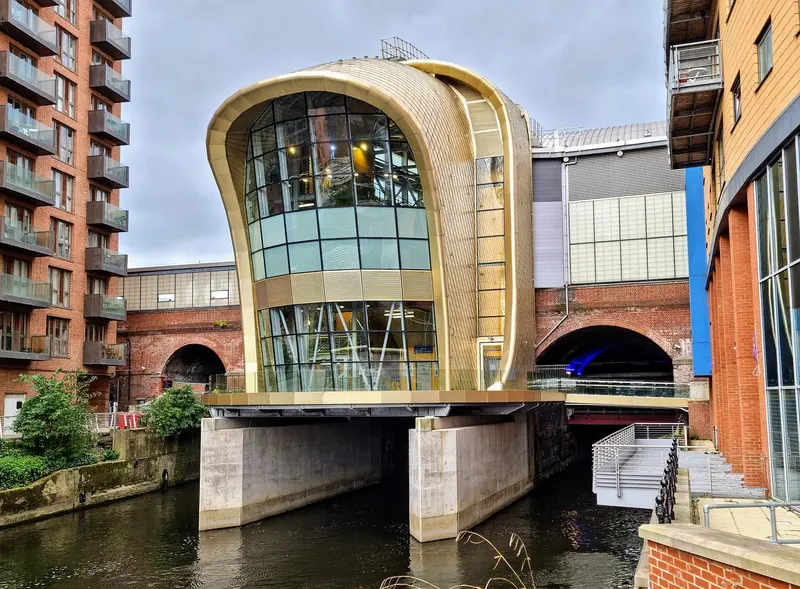
Photo: Irid Escent, CC BY-SA 2.0
Yorkshire LDS
Leeds by train: free national museums, Victorian arcades, Europe's largest covered market and Kirkstall Abbey, just over two hours from King's Cross.
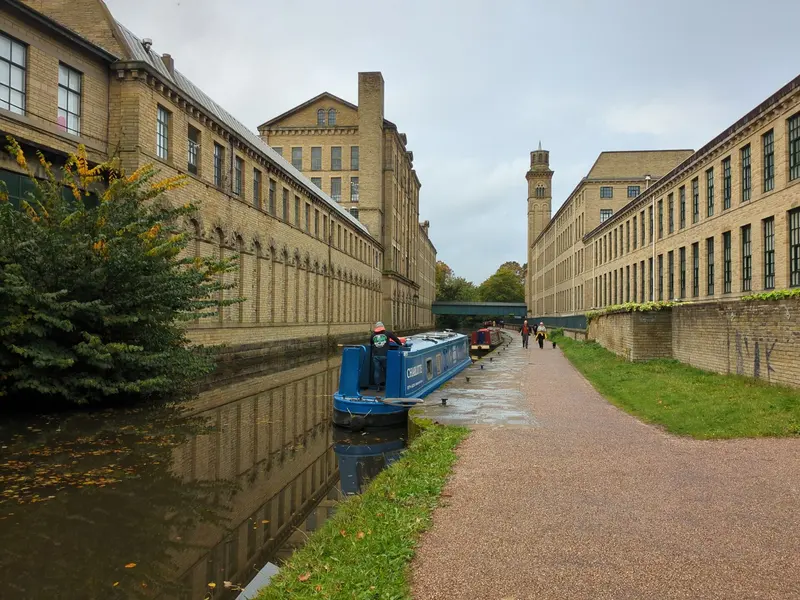
Photo: habiloid, CC BY-SA 2.0
Yorkshire SHY
Shipley by train: the gateway to Saltaire World Heritage Site, Salts Mill and its Hockney gallery, plus canal walks and a Victorian cable tramway.
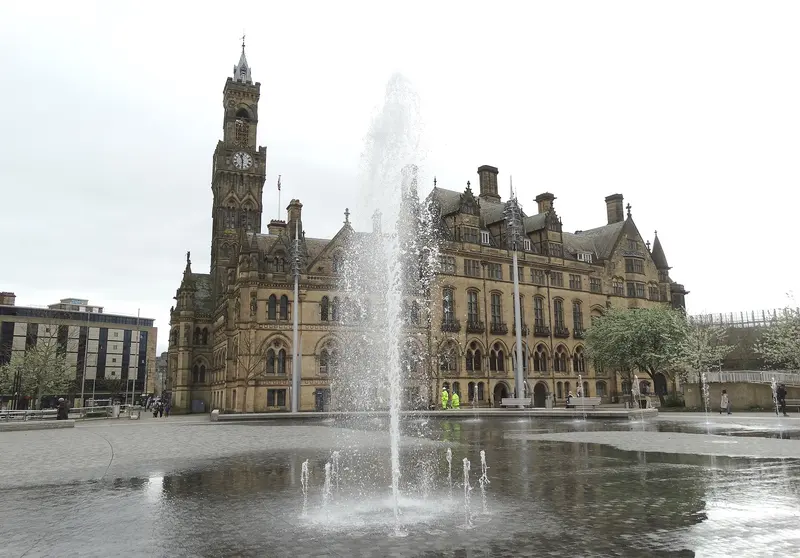
Photo: Neil Theasby, CC BY-SA 2.0
Yorkshire BDQ
Bradford by train: the free National Science and Media Museum, a Grade I cathedral, the Alhambra theatre and grand Victorian wool-city streets.
Yorkshire KEI
Keighley by train: change platforms for the Keighley & Worth Valley steam railway to Haworth and the Brontës, or visit Cliffe Castle Museum.
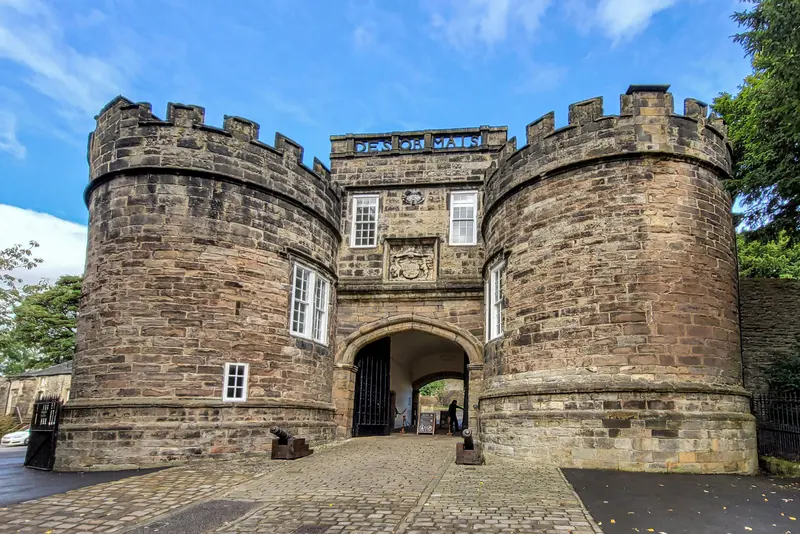
Photo: Jonathan Billinger, CC BY-SA 2.0
Yorkshire SKI
Skipton by train: a remarkably complete medieval castle, free Craven Museum with a Shakespeare First Folio, canal walks and the Yorkshire Dales on the doorstep.
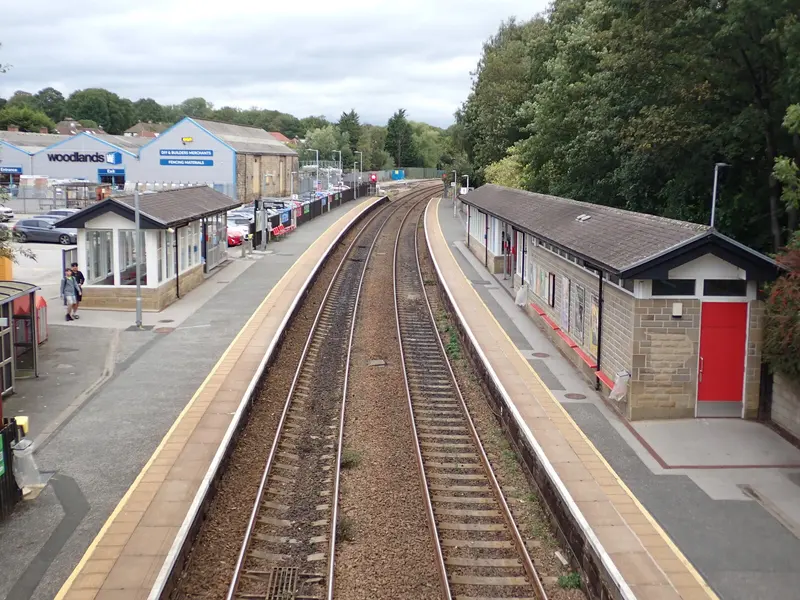
Photo: Schlosser67, CC BY-SA 2.0
Yorkshire HRS
Horsforth by train: a leafy Leeds town on the Harrogate line with a volunteer-run museum, Golden Acre Park and Kirkstall Abbey a short ride away.
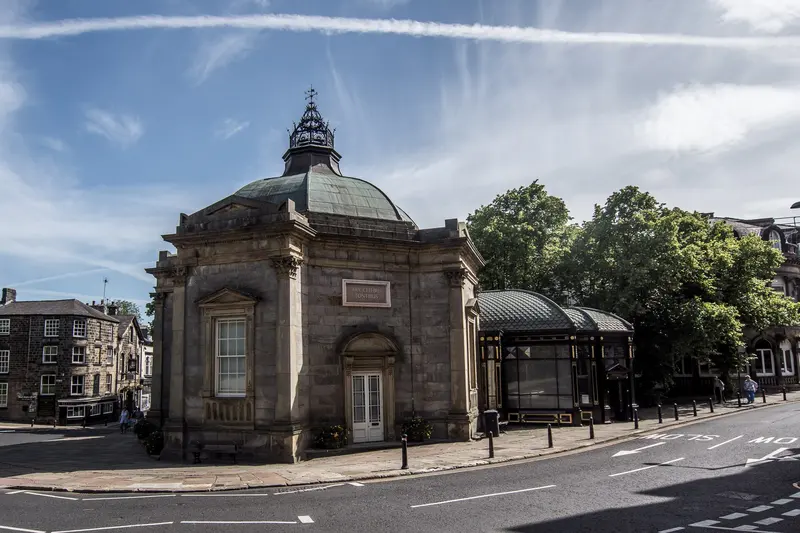
Photo: Brian Deegan, CC BY-SA 2.0
Yorkshire HGT
Harrogate by train: an elegant spa town with Victorian Turkish baths, the sulphur-well Pump Room, Valley Gardens, Bettys and RHS Harlow Carr.
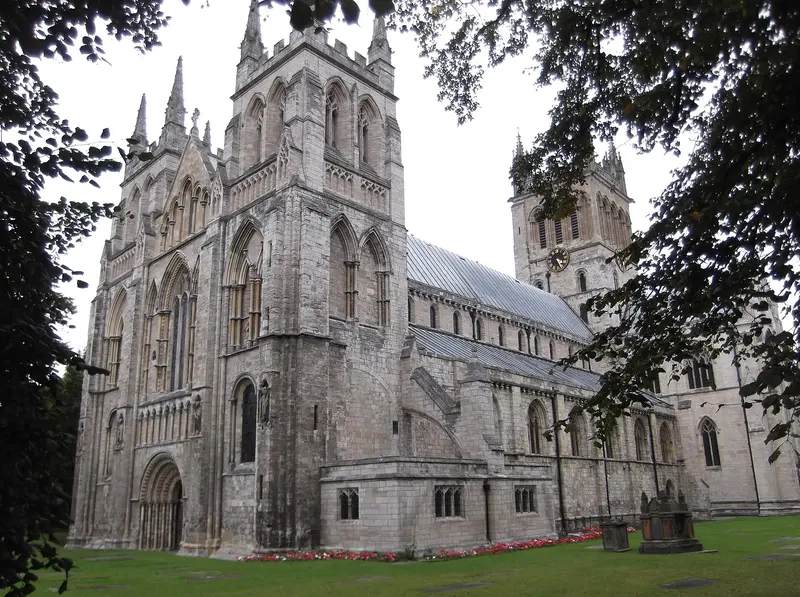
Photo: JohnArmagh, CC BY-SA 3.0
Yorkshire SBY
Selby by train: a market town on the Ouse built around a magnificent 900-year-old abbey church, with the Trans Pennine Trail passing through.
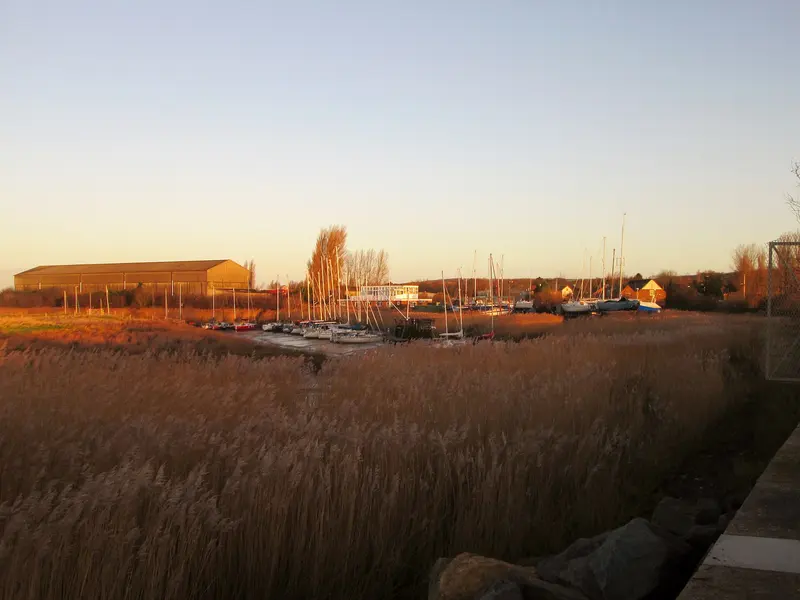
Photo: Martin Dawes, CC BY-SA 2.0
Yorkshire BUH
Brough by train: a Humber-side town on the site of Roman Petuaria, close to the Yorkshire Wolds Way and a short hop from the Humber Bridge.
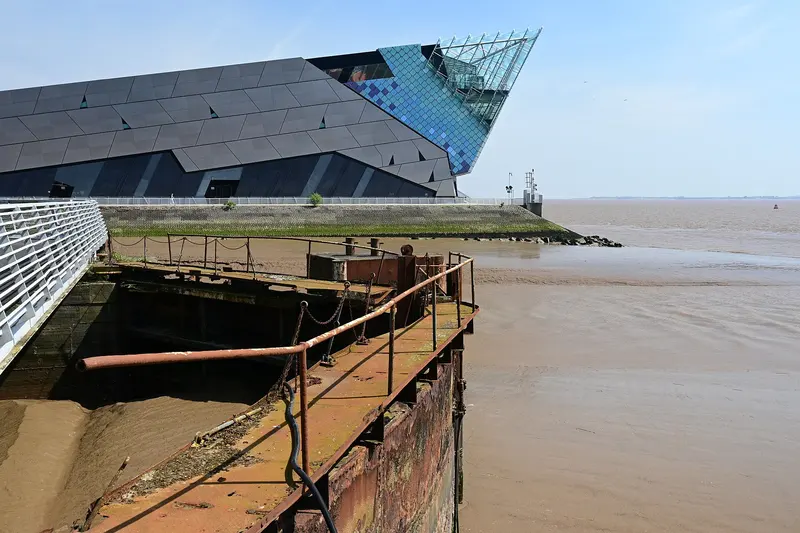
Photo: Hullian111, CC BY-SA 4.0
Yorkshire HUL
Hull by train: a maritime city on the Humber with The Deep, free museums and a historic Old Town. Direct LNER trains from King's Cross are limited.
Photo: Bob Harvey, CC BY-SA 2.0
Yorkshire YRK
York by train: minster, medieval walls, Vikings and the National Railway Museum, all walkable from a station that is under two hours from King's Cross.
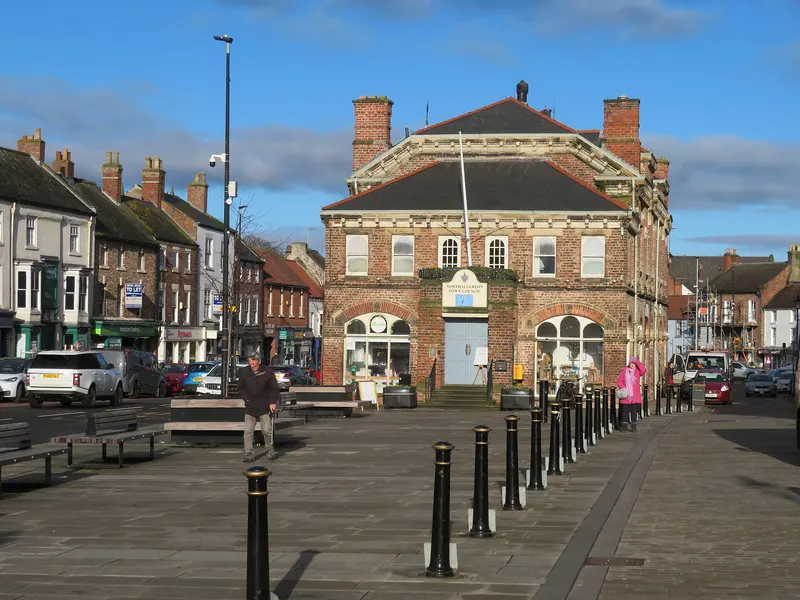
Photo: Gordon Hatton, CC BY-SA 2.0
Yorkshire NTR
Northallerton by train: a North Yorkshire market town between York and Darlington, with a Carthusian priory and the North York Moors within reach.
A free cultural hub on Waterdale combining the city museum, art gallery, library, the King's Own Yorkshire Light Infantry museum and a Rail Heritage Centre. Open Monday to Saturday.
The Minster Church of St George was rebuilt to designs by George Gilbert Scott between 1854 and 1858 after fire destroyed the medieval church. Visitors are welcome on weekdays and Saturday mornings.
Home of the St Leger Stakes, run during a four-day meeting each September, and host to both flat and jump racing through the year.
An Italianate Victorian country house that has barely changed since the 1860s, making it one of the most complete of its kind in England. Run by English Heritage.
A Norman castle with a striking 28-metre stone keep, which inspired a setting in Walter Scott's Ivanhoe. English Heritage cares for the site.
A zoo and conservation park that opened in 2009 on a former farm south-east of Doncaster and now keeps hundreds of animals from around the world.
A free riverside gallery named after Barbara Hepworth, holding the city's art collection alongside major exhibitions. It is closed on Mondays, except bank holidays and Wakefield school holidays.
A Grade I listed cathedral with Anglo-Saxon origins and Yorkshire's tallest spire. Its doors are open every day of the year.
Designed by Frank Matcham in 1894, this is the smallest of his surviving theatres and a Grade II* listed building, now staging both touring and home-grown productions.
Open-air and indoor galleries set in the 500-acre parkland of Bretton Hall, showing work by British and international artists including Henry Moore and Barbara Hepworth.
A free museum at the former Caphouse Colliery telling the story of mining in England. It opens Wednesday to Sunday; its underground tours were paused in September 2026, with reopening to be announced.
A Palladian house begun in 1733 on the site of a medieval priory, with landscaped gardens, parkland and a stables courtyard. National Trust.
Home of the National Collection of Arms and Armour, in a purpose-built museum at Leeds Dock that opened in 1996. General entry is free.
A free gallery on The Headrow whose collection of twentieth-century British art has been designated as nationally important. A Henry Moore sculpture stands outside the entrance.
Founded in 1819 and since 2008 housed in the former Mechanics' Institute on Millennium Square, the museum hosts special exhibitions alongside its permanent displays.
A Grade I listed market hall on Vicar Lane with around 800 stalls, food halls and free heritage tours. It is closed on bank holidays except Good Friday.
A theatre and opera house on Briggate seating around 1,500, run by Leeds Heritage Theatres.
An award-winning museum of the history of medicine next to St James's University Hospital, reopened in 2021 after a major refurbishment. Open daily except Tuesdays in term time.
The atmospheric ruins of a Cistercian abbey founded around 1152, set in parkland beside the River Aire and painted by Turner among others.
A Grade I listed country house built between 1759 and 1771 to designs by John Carr and Robert Adam, set in a landscape by Capability Brown. It opens on set dates through the year, so check before travelling.
Titus Salt's vast 1853 mill, now a mix of galleries, shops and restaurants, with the 1853 Gallery showing many works by David Hockney. Usually open Wednesday to Sunday.
Streets of workers' houses, public buildings and churches laid out in one harmonious style, preserved so completely that the whole village is a UNESCO World Heritage Site. It is free to wander.
A cable-hauled tramway that climbs through woodland from near Roberts Park up to Prod Lane, billed as Britain's oldest working cable tramway. It runs on weekend afternoons.
The 127-mile trans-Pennine canal passes through Shipley and Saltaire, and its towpath makes an easy, level walk between the two.
Seven floors of galleries on photography, television, sound and the science of light, plus cinemas including Europe's first IMAX screen. Entry is free and it opens daily.
A Grade I listed cathedral on a site used for Christian worship since the seventh century, raised to cathedral status in 1919. Open to visitors Monday to Saturday.
An ornate theatre that opened in 1914, now a receiving house for large-scale touring productions with nearly 1,500 seats in its main auditorium.
Bradford's civic art gallery, opened in 1904 in Lister Park, with collections ranging from Old Masters to contemporary South Asian art. A redeveloped David Hockney gallery was due to open in autumn 2026.
One of Bradford's oldest buildings, with parts dating from the fourteenth century and a history that includes a spell as a Royalist base in the Civil War. Now a museum, closed Mondays and Tuesdays.
Set in Moorside Mills, this museum keeps printing and textile machinery in working order for regular demonstrations. Buses run from the city centre.
A volunteer-run heritage railway climbing the Worth Valley to Oxenhope, with stations including Oakworth and Haworth. Trains run on a timetable of coloured running days through the year.
The Brontë family home in Haworth, now a museum run by the Brontë Society and devoted to the sisters' lives and writing. Closed on Tuesdays.
A free museum of local heritage in a grand neo-Gothic mansion, surrounded by award-winning public gardens. Closed on Mondays.
A seventeenth-century manor house with intimate gardens on the edge of Keighley, cared for by the National Trust.
More than 900 years old, the castle lets you explore everything from the dungeon to the top of the Watch Tower, including the banqueting hall and kitchen. It withstood a three-year siege during the Civil War.
A free museum in Skipton Town Hall whose treasures include a 1623 Shakespeare First Folio, prehistoric and Roman finds and furniture by Robert 'Mouseman' Thompson. Closed on Tuesdays.
A 36-acre wood along the Eller Beck behind the castle, leased to the Woodland Trust, with a circular walk from the Old Sawmill entrance. Some paths are steep and there is no step-free access.
A heritage line running about four miles from Embsay to Bolton Abbey station, from where paths lead on to the ruined priory and the Bolton Abbey estate.
A small, entirely volunteer-run museum at 5 The Green preserving the history of Horsforth. It opens on Saturdays and on Sunday afternoons, with free admission.
A 179-acre Leeds City Council park on the A660 near Bramhope, well known for its circular lakeside walk, gardens and tea rooms.
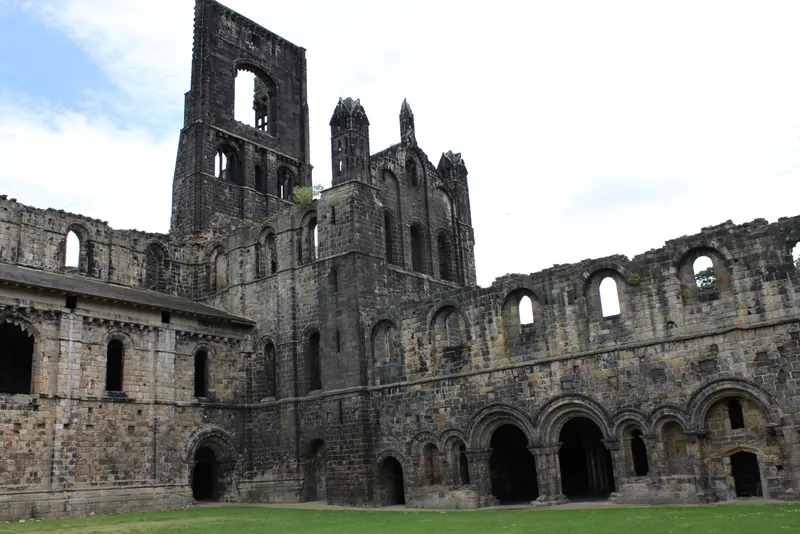
The ruins of a Cistercian abbey founded around 1152, in a public park beside the River Aire, with a museum in the old gatehouse area.
A North Yorkshire Council museum in the restored 1842 Pump Room, telling the story of Harrogate's spa from the discovery of its springs to twentieth-century treatments. Closed on Mondays.
Grade II* listed Victorian Turkish baths, open since 1897, with Moorish arches and glazed brickwork. They run timed bathing sessions, including a eucalyptus-infused steam room.
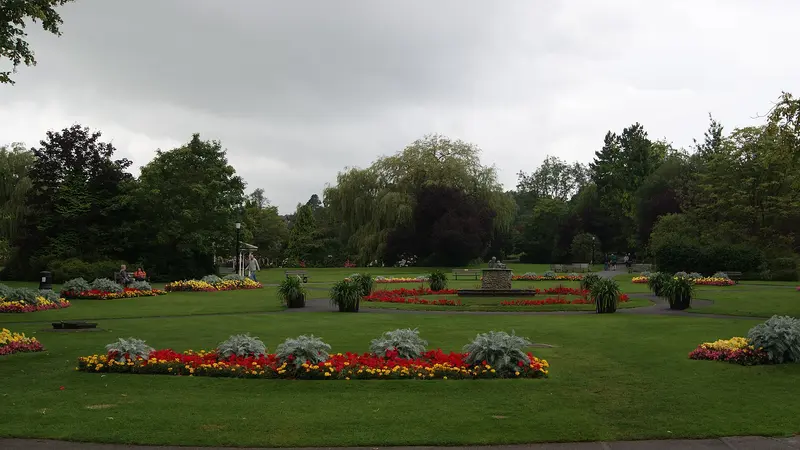
A 17-acre Grade II listed park laid out in 1887, with the Sun Pavilion and colonnades, flower beds, a playground and the restored Magnesia Well pump room.
The first Bettys opened in Harrogate in 1919, and the café tea rooms and shop at 1 Parliament Street remain a town institution, with a bookable afternoon tea in the Imperial Room.
A free council gallery in Harrogate's original Promenade Rooms of 1806, near the Valley Gardens, showing historic, modern and contemporary art. It was closed for an exhibition changeover until 2 October 2026.
One of the Royal Horticultural Society's five public gardens, on the western edge of Harrogate. It is open daily except Christmas Day.
A former Benedictine abbey church at the heart of the town since 1069, with free entry and a gift and coffee shop. Free guided tours of about 75 minutes run on set dates; donations are welcome.
The coast-to-coast walking and cycling route between Southport and Hornsea passes through Selby, and a 15-mile spur heads north from the town to York.
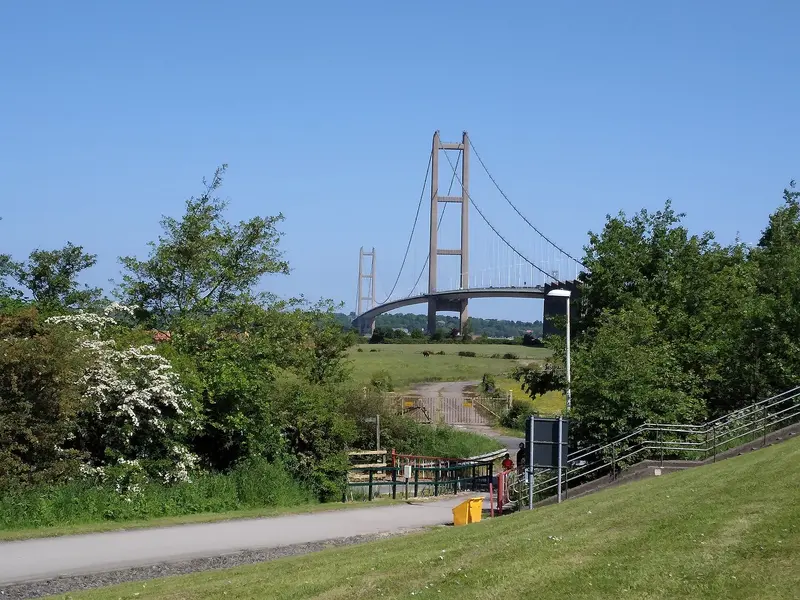
Opened in 1981, this Grade I listed suspension bridge spans about 1.4 miles of the Humber estuary. Its walkway is open to pedestrians and cyclists, and the surrounding estate has woodland paths and picnic spots.
A 79-mile National Trail from Hessle to Filey through the chalk hills of the Wolds, which passes by the eastern end of Brough.
A landmark aquarium on the point where the River Hull joins the Humber, opened in 2002 and run as an education and conservation charity. Expect big ocean tanks and daily talks; it is open every day except 24 and 25 December.
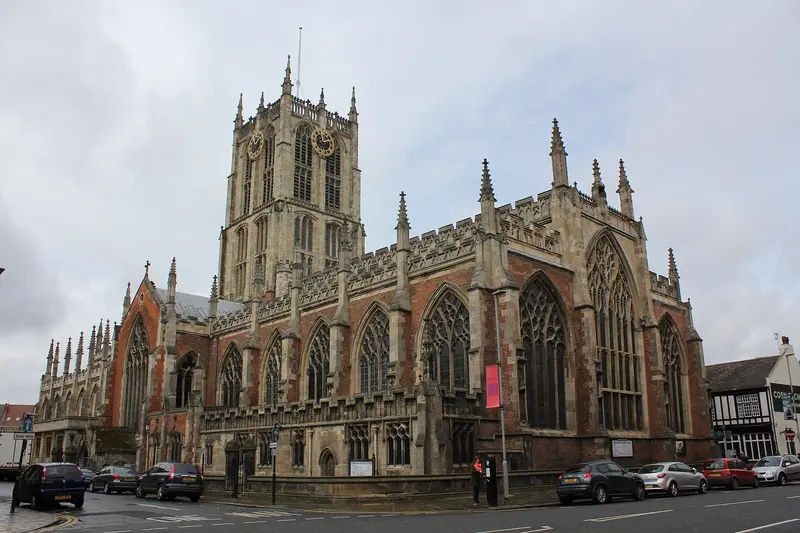
The city's great parish church, known as Holy Trinity until it was renamed Hull Minster in 2017. It anchors the Old Town and has a café inside; access can be limited during services and events.
Opened in 1927 and extended in 1991, the Ferens holds a collection spanning around 700 years, from late medieval painting to contemporary work, including a Frans Hals portrait.
Housed in the 1871 Dock Offices, the museum tells Hull's seafaring story and has been refurbished as part of the Hull Maritime project. Entry is free, though booking ahead is advised at busy times.
A hands-on transport museum in the Museums Quarter with a recreated 1940s high street, a vintage tram and early cars and bicycles covering around 200 years of travel.
The birthplace of William Wilberforce is now a museum about the transatlantic slave trade, its abolition and its legacy. Some upstairs galleries contain distressing material that may not suit younger children.
A long-established producing theatre with a strong Northern voice, staging its own shows and touring work. It is one of the closest things to do from the station.
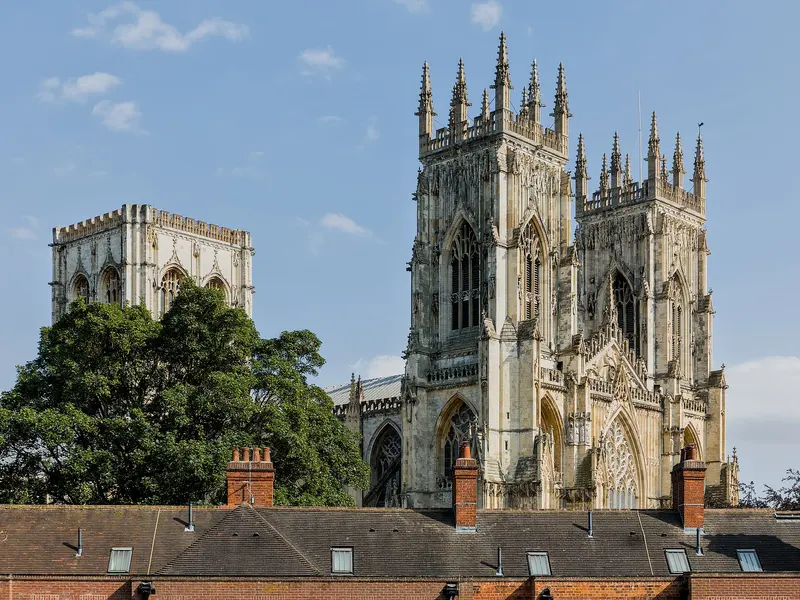
The seat of the Archbishop of York, with a church recorded on the site since 627; most of the present Gothic building went up between 1220 and 1472. Allow plenty of time to take in the scale of it.
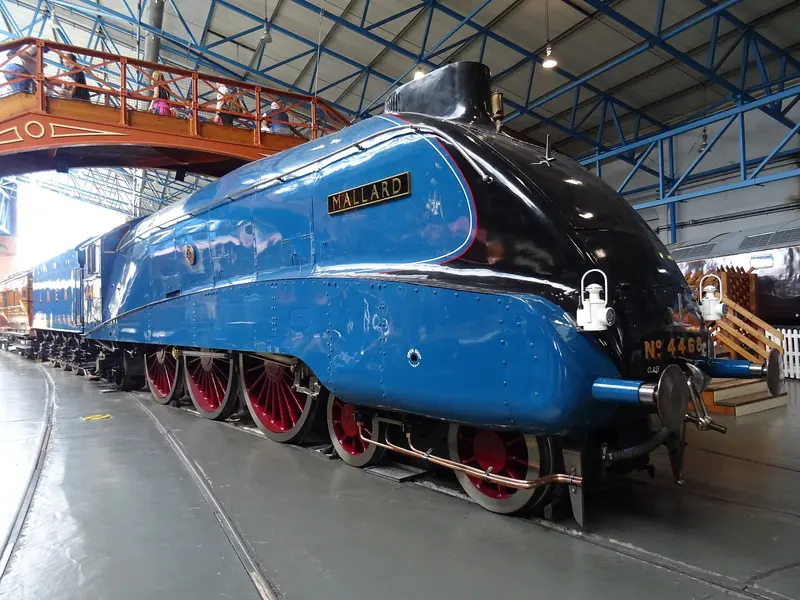
Part of the Science Museum Group, the museum tells the story of Britain's railways and is home to Mallard, a Japanese bullet train and many other famous locomotives. It stands right beside the station.
A ride through a reconstruction of Viking-age Jorvik, built on the site where the objects on display were excavated, followed by a gallery of finds. Pre-booking is essential and bag checks apply.
The largest surviving part of York Castle, reached by steep steps up its mound. Inside, displays cover the tower's turbulent history, and the roof deck gives views across the city; English Heritage offers a discount if you arrive by public transport.
Opened in 1830, the Yorkshire Museum covers archaeology, natural history and geology, including Roman York. It sits in riverside gardens that are pleasant for a break.
A social history museum inside former prison buildings from the 18th century, on the site of the castle built by William the Conqueror.
York has the longest surviving town walls in England. The raised walkway forms a circular route around the centre and is free to walk throughout the year.
A Georgian townhouse near Clifford's Tower, restored by York Civic Trust and furnished with the Noel Terry collection of furniture, clocks and decorative arts.
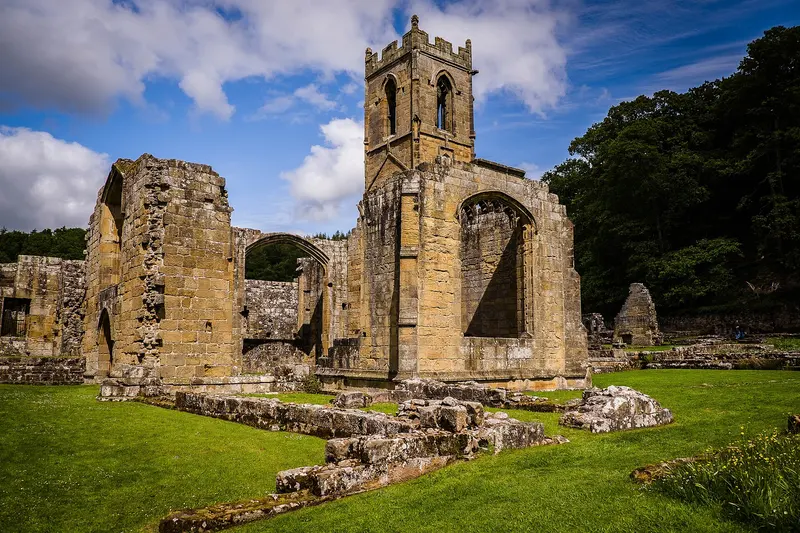
Founded in 1398, this was the last of the great Yorkshire monasteries and has the best-preserved ruins of any English charterhouse. The site also includes an Arts and Crafts house, terraced gardens and a café.
Designated in 1952, the national park contains the largest expanse of heather moorland in the UK, with walking and cycling routes of every length.
Northallerton's arts venue runs a busy programme of live music, comedy, touring shows, local productions and screened opera.
Check live times and fares with LNER, or compare prices on Trip.com. Book early for the best chance of a cheaper Advance fare.