Gordon Craig Theatre
Opened in 1975, this 501-seat theatre on Lytton Way stages plays, pantomime, opera, dance and one-night music shows. It is part of the arts and leisure centre facing the station.
LNER route
Direct LNER trains between London King's Cross and the spa town of Harrogate, via Leeds and Horsforth, about every two hours.
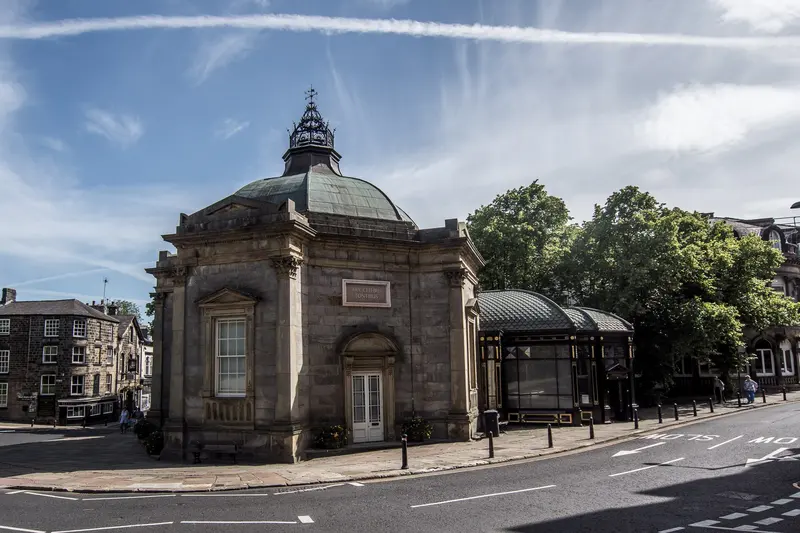
The Royal Pump Room of 1842, heart of Harrogate's spa quarter and now a museum.Photo: Brian Deegan, CC BY-SA 2.0
Harrogate trains run from King's Cross to Leeds and then continue north on the Harrogate line through Horsforth. Beyond Leeds the route is mostly served by local trains, with the LNER workings starting and finishing at Harrogate.
North of Horsforth the line passes through Bramhope Tunnel and over Arthington Viaduct in Wharfedale before reaching Harrogate, giving the last part of the journey a very different, more rural feel from the main line.
Frequency: About six or seven trains in each direction on weekdays in the May–December 2026 timetable, roughly every two hours, with fewer on Sundays.
Calling pattern: Harrogate trains usually call at Stevenage, Newark Northgate, Doncaster, Wakefield Westgate, Leeds and Horsforth; a couple call at Grantham instead of or as well as Newark. Horsforth is shown as setting down only on northbound trains and picking up only on southbound trains.
Based on LNER's May–December 2026 timetable. Timetables change — check your train with LNER timetables or National Rail.
Just over two miles long and built between 1845 and 1849, the tunnel north of Horsforth has a Grade II listed, castle-style north portal. A replica of that portal in Otley churchyard commemorates the men who died building it.
Also called the Wharfedale or Castley Viaduct, this Grade II listed bridge carries the line across Wharfedale on the West Yorkshire–North Yorkshire border. It was completed in 1849.
Coloured dots are calling points on this route; grey stations are served by other LNER routes.
One idea from each calling point. Open a station guide for more.
Opened in 1975, this 501-seat theatre on Lytton Way stages plays, pantomime, opera, dance and one-night music shows. It is part of the arts and leisure centre facing the station.
A Grade I listed parish church whose spire is the second tallest in Lincolnshire. It is still an active church, so check service times before visiting.
A museum devoted to the seventeenth-century Civil Wars and Newark's part in them, with family days, walking tours and talks through the year. Admission is free for local residents and under-25s.
A free cultural hub on Waterdale combining the city museum, art gallery, library, the King's Own Yorkshire Light Infantry museum and a Rail Heritage Centre. Open Monday to Saturday.
A free riverside gallery named after Barbara Hepworth, holding the city's art collection alongside major exhibitions. It is closed on Mondays, except bank holidays and Wakefield school holidays.
Home of the National Collection of Arms and Armour, in a purpose-built museum at Leeds Dock that opened in 1996. General entry is free.
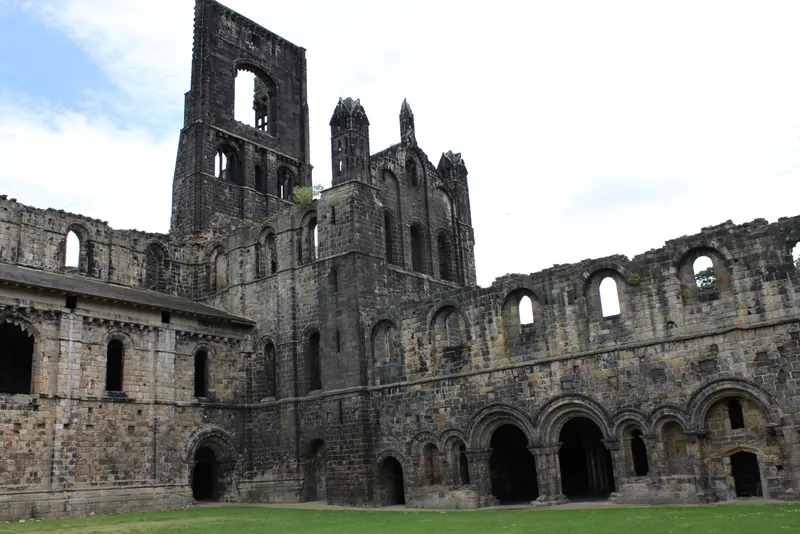
The ruins of a Cistercian abbey founded around 1152, in a public park beside the River Aire, with a museum in the old gatehouse area.
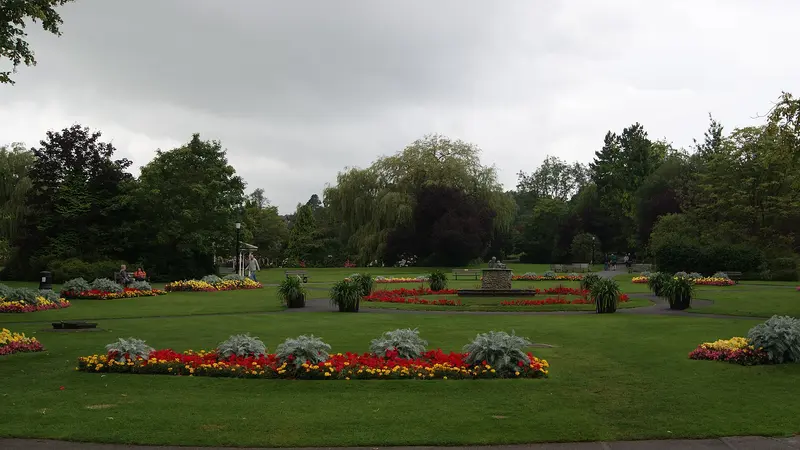
A 17-acre Grade II listed park laid out in 1887, with the Sun Pavilion and colonnades, flower beds, a playground and the restored Magnesia Well pump room.
We researched this page using the sources below. They are listed for transparency and are not links; always check official websites for the latest details.
Check live times and fares with LNER, or compare prices on Trip.com. Book early for the best chance of a cheaper Advance fare.