Gordon Craig Theatre
Opened in 1975, this 501-seat theatre on Lytton Way stages plays, pantomime, opera, dance and one-night music shows. It is part of the arts and leisure centre facing the station.
LNER route
LNER's through trains to Aberdeen follow the full East Coast Main Line, then cross the Forth and Tay bridges and run up the North Sea coast.
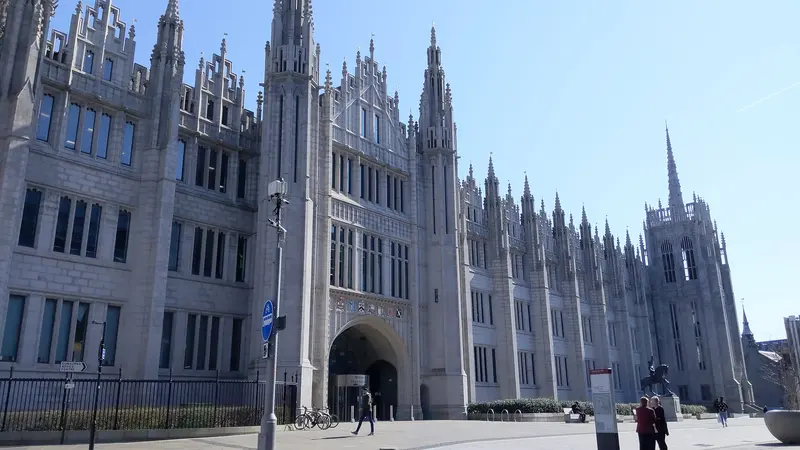
Marischal College on Broad Street, the second-largest granite building in the worldPhoto: UltrasonicMadness, CC BY-SA 4.0
Aberdeen trains run the whole London–Edinburgh route and then keep going for roughly another two and a half hours, calling at Haymarket before crossing the Forth Bridge into Fife, crossing the Tay Bridge into Dundee and following the coast north through Angus and Aberdeenshire.
It is a long day's ride of around seven hours, but it is a direct one. The morning departure from Aberdeen and the mid-morning train from London carry the name Northern Lights.
Frequency: Four through trains from London on weekdays in the May–December 2026 timetable, with fewer at weekends. LNER describes its Aberdeen service as eight trains a day to and from the city.
Calling pattern: In England most Aberdeen trains call at Peterborough, Newark Northgate, Doncaster, York, Darlington and Newcastle, and most also stop at Berwick-upon-Tweed. The early-morning train from London adds Stevenage, Grantham and Retford, and a late-evening train from Aberdeen, which terminates at Doncaster, also calls at Dunbar, Morpeth, Durham and Northallerton. North of Edinburgh all trains call at Haymarket, Inverkeithing, Kirkcaldy, Leuchars, Dundee, Arbroath, Montrose and Stonehaven.
Based on LNER's May–December 2026 timetable. Timetables change — check your train with LNER timetables or National Rail.
Robert Stephenson's 28-arch viaduct over the Tweed at Berwick, opened by Queen Victoria, is Grade I listed and still carries every train on the route.
North of Edinburgh the line crosses the Firth of Forth on the famous red cantilever bridge, opened in March 1890 and now a UNESCO World Heritage Site.
Trains enter Dundee over the Tay Bridge, the second bridge on the site, opened in 1887 after the first bridge collapsed in a storm in December 1879.
Just before Montrose the line passes the Montrose Basin, a tidal estuary managed as a wildlife reserve by the Scottish Wildlife Trust. A short single-track stretch here includes the South Esk Viaduct.
Coloured dots are calling points on this route; grey stations are served by other LNER routes.
One idea from each calling point. Open a station guide for more.
Opened in 1975, this 501-seat theatre on Lytton Way stages plays, pantomime, opera, dance and one-night music shows. It is part of the arts and leisure centre facing the station.
One of the finest surviving twelfth-century buildings in England, with a dramatic Early English West Front and the tomb of Henry VIII's first wife, Katharine of Aragon. Guided tours, including the upper levels and tower, can be booked.
A Grade I listed parish church whose spire is the second tallest in Lincolnshire. It is still an active church, so check service times before visiting.
A museum devoted to the seventeenth-century Civil Wars and Newark's part in them, with family days, walking tours and talks through the year. Admission is free for local residents and under-25s.
A free museum on Grove Street covering the history of north Nottinghamshire from the earliest times to today. It is closed on Wednesdays in term time and on Sundays.
A free cultural hub on Waterdale combining the city museum, art gallery, library, the King's Own Yorkshire Light Infantry museum and a Rail Heritage Centre. Open Monday to Saturday.
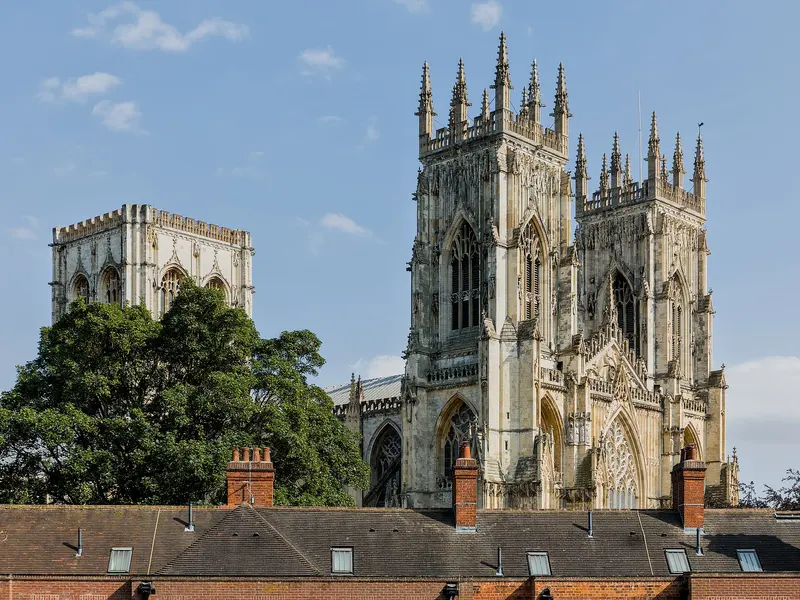
The seat of the Archbishop of York, with a church recorded on the site since 627; most of the present Gothic building went up between 1220 and 1472. Allow plenty of time to take in the scale of it.
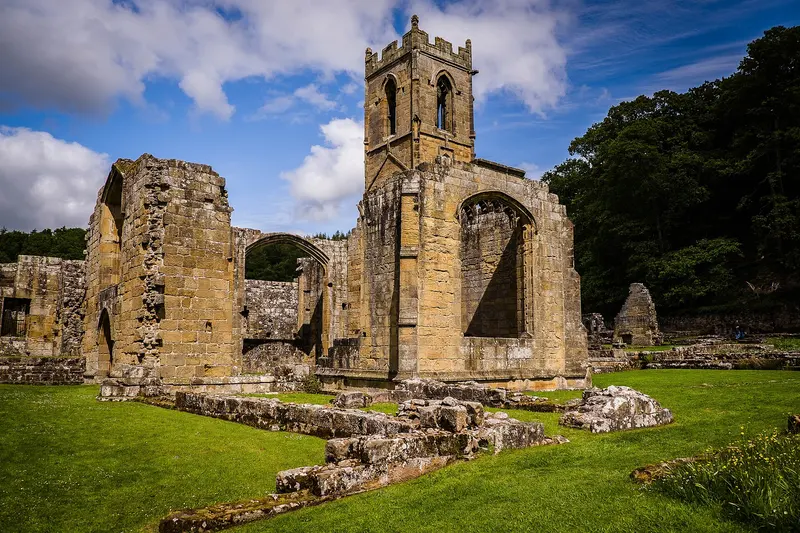
Founded in 1398, this was the last of the great Yorkshire monasteries and has the best-preserved ruins of any English charterhouse. The site also includes an Arts and Crafts house, terraced gardens and a café.
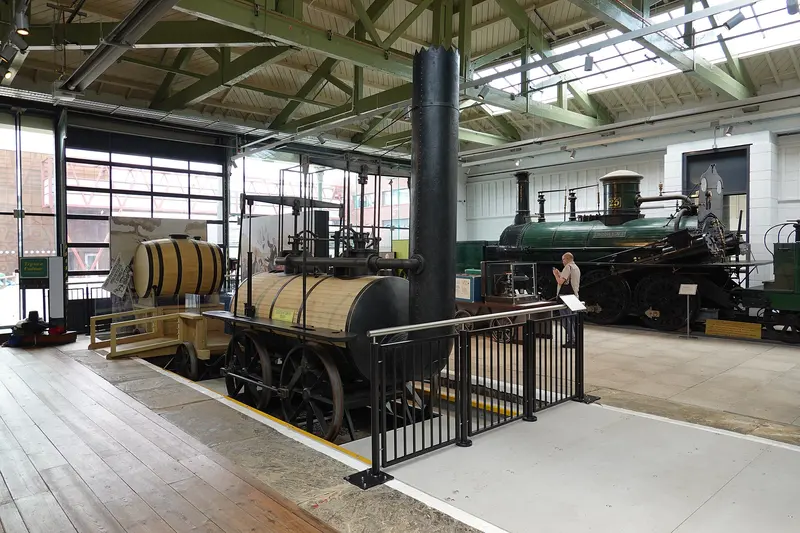
A railway-themed attraction on the 1825 Stockton and Darlington route, with a museum in the Grade II* listed North Road station, a ride, an adventure play area and the workshop where volunteers are building a new steam locomotive.
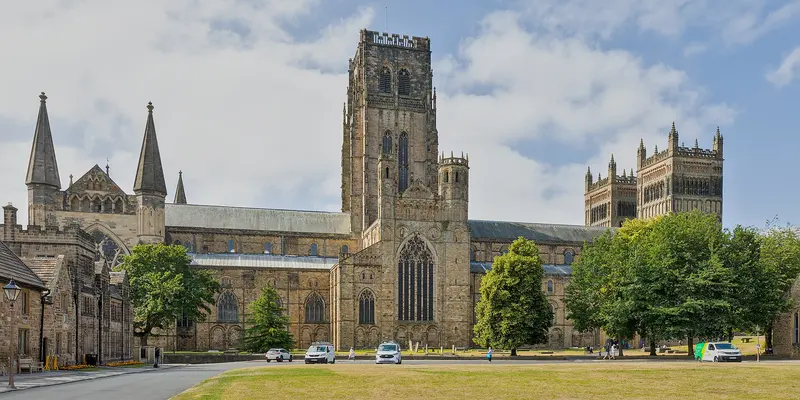
The great Norman cathedral holds the shrines of St Cuthbert, the North's best-loved saint, and the Venerable Bede. There is no admission charge, though visitors are asked to donate if they can.
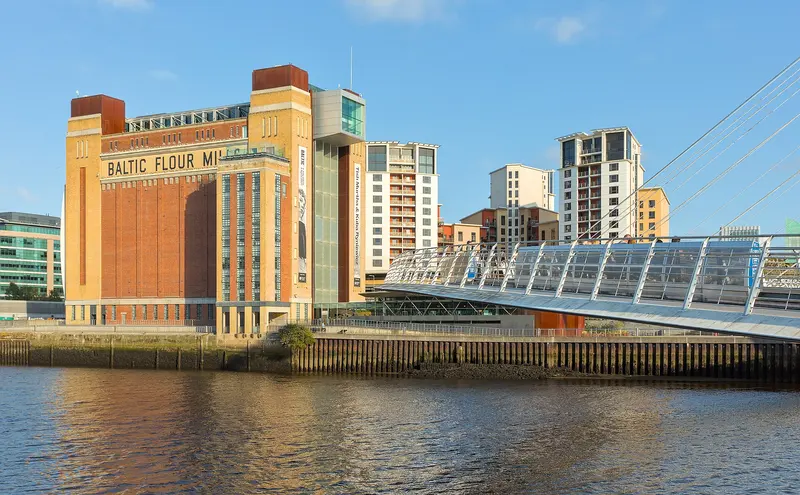
A converted flour mill on the Gateshead bank, opened in 2002, with constantly changing exhibitions and no permanent collection. Free entry; it opens Wednesday to Sunday.
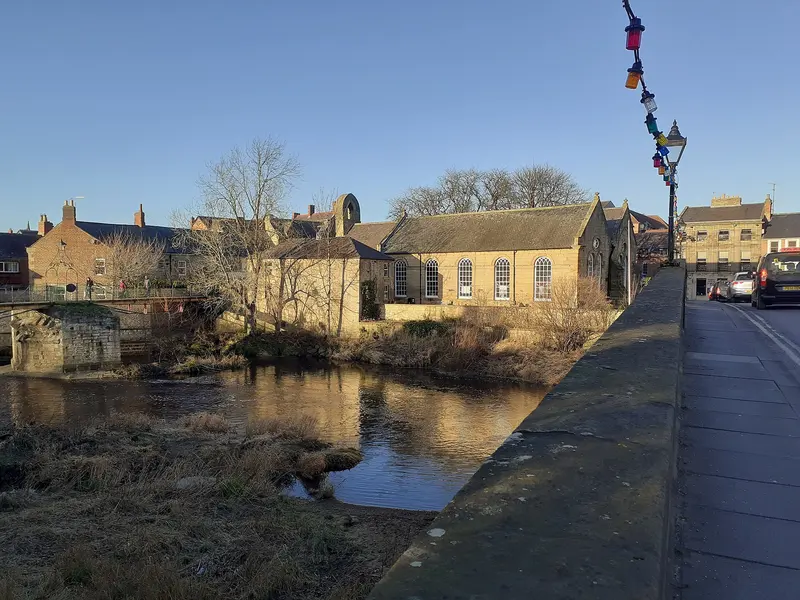
Billed as the first bagpipe museum in the UK, it holds a large collection of historic pipes, especially Northumbrian smallpipes and Border pipes. Free entry; closed on Sundays.
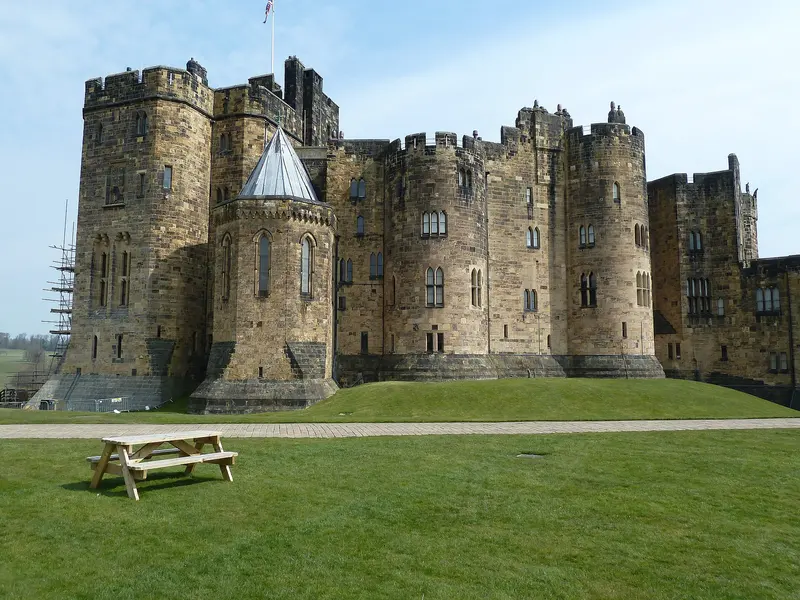
A Norman castle remodelled over the centuries and still the home of the Duke of Northumberland, with state rooms, exhibitions, guided tours and film-location trails. It opens for a visitor season rather than all year.
The scant remains of a castle that was central to Anglo-Scottish warfare, and the later bastioned town walls that replaced it. Brown signs mark access points to the ramparts; some sections have steep unguarded drops.
The house where John Muir was born is now a museum about the inventor, botanist, writer and campaigner, towards the north end of the High Street.
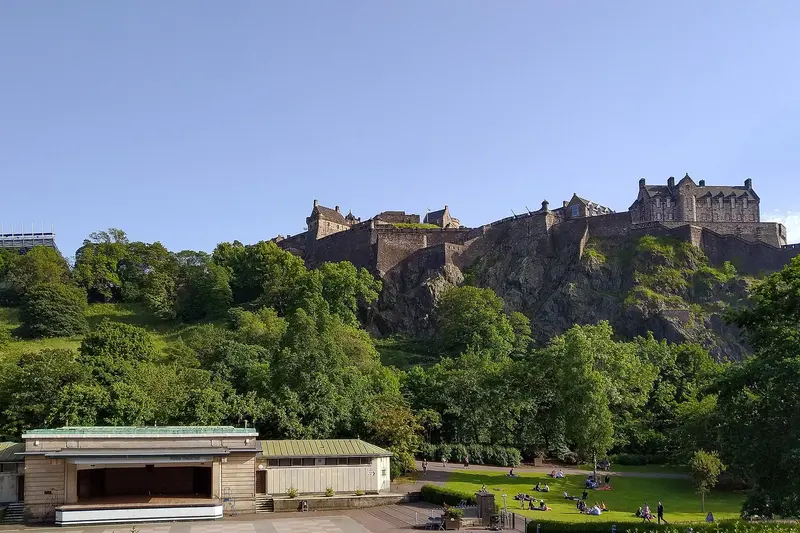
Perched on Castle Rock, the castle has been a royal residence, fortress, prison and treasury over nine centuries. Tickets often sell out, so book ahead – and buy only through the official site.
Scotland's national rugby stadium and its largest stadium, opened in 1925. Daily behind-the-scenes tours include the tunnel walk and items from the Scottish Rugby heritage collection.
The 1890 Forth Bridge, the 1964 Forth Road Bridge and the 2017 Queensferry Crossing stand side by side over the firth. The cantilevered rail bridge is a UNESCO World Heritage Site – and you cross it on the train.
The town's museum, art gallery and library under one roof, with permanent displays on Kirkcaldy's industrial and social history, changing exhibitions and a café overlooking the War Memorial Gardens.
The ruins of the cathedral begun in 1158, once the largest church in Scotland and the centre of the medieval Scottish church. You can walk the grounds of this prominent landmark, visible from land and sea.
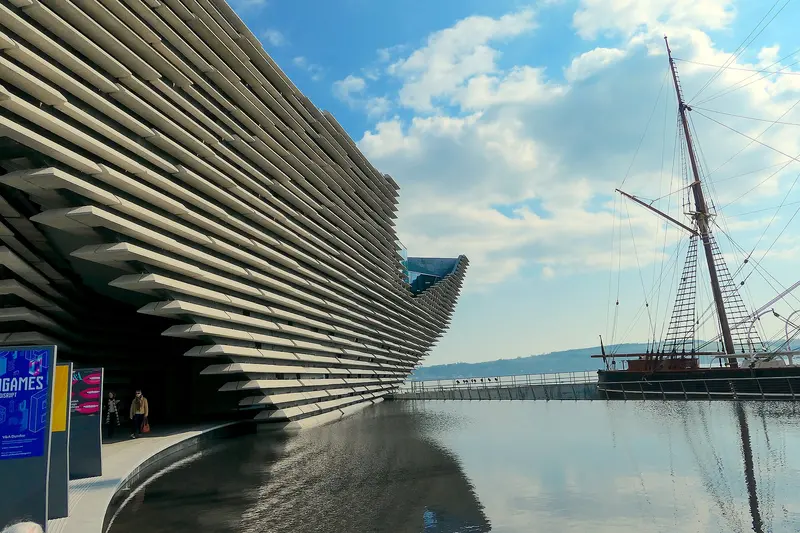
Scotland's design museum stands on Dundee's waterfront and stages major exhibitions – David Bowie: On Tour opens on 4 November 2026. General admission is free (as of September 2026), with charges for some exhibitions.
Founded in 1178 and one of medieval Scotland's grandest monasteries, the abbey is famous for its twin-towered west front and its 'Round O' window. The visitor centre tells the story of the Declaration of Arbroath.
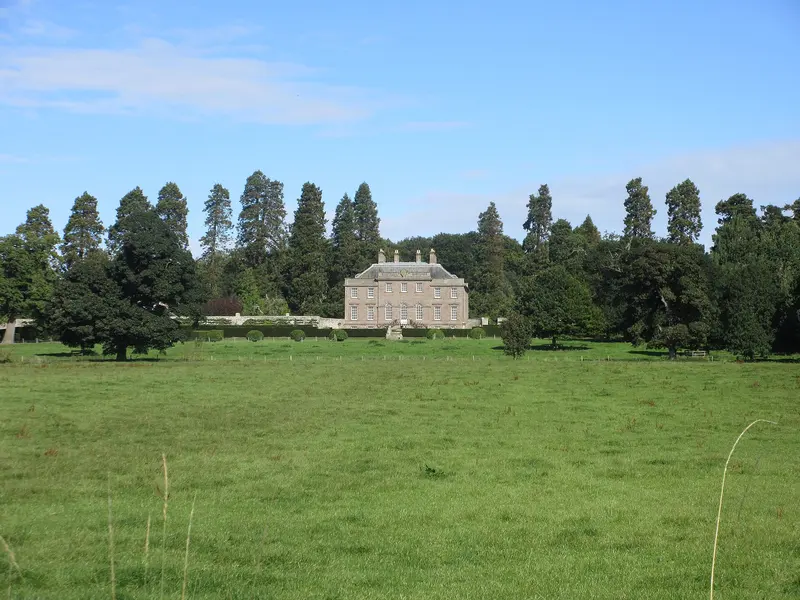
A Georgian house designed by William Adam and built in 1743, with fine plasterwork, formal gardens and woodland walks overlooking Montrose Basin. It is run by the National Trust for Scotland.
A dramatic clifftop ruin on a rocky outcrop above the North Sea, linked with William Wallace and Mary Queen of Scots and best known for protecting the Honours of Scotland from Oliver Cromwell's troops.
The city's main gallery, on Schoolhill, shows the city's art collection alongside changing exhibitions and has cafés on two levels. Admission is free (as of September 2026).
We researched this page using the sources below. They are listed for transparency and are not links; always check official websites for the latest details.
Check live times and fares with LNER, or compare prices on Trip.com. Book early for the best chance of a cheaper Advance fare.