Photo: Martin Dawes, CC BY-SA 2.0
Scotland RSN
Reston
Reston by train: a small Borders station opened in 2022, the nearest rail stop for Eyemouth, Coldingham and St Abb's Head. No direct LNER trains from London.
Region
Edinburgh, Fife, Tayside, Aberdeen and the Highlands
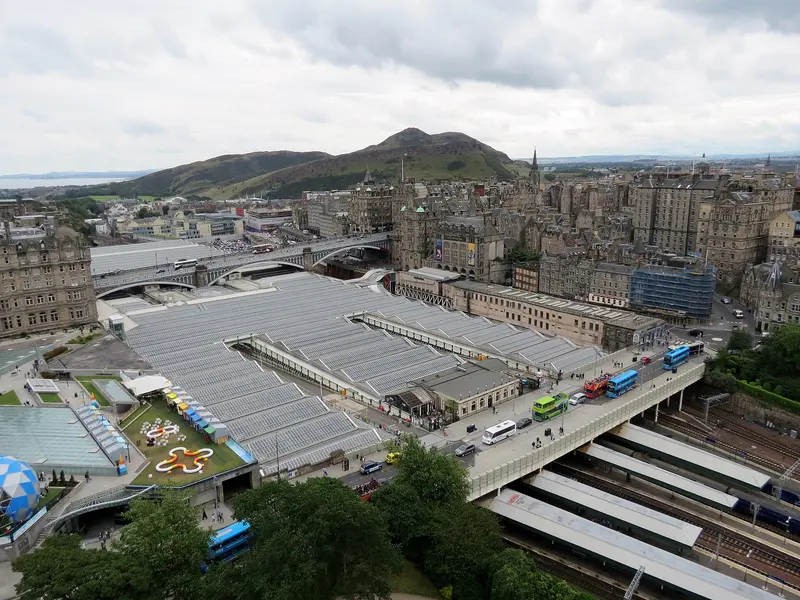
Waverley's low glass roof, seen from the Scott Monument, with Arthur's Seat on the skylinePhoto: Martin Dawes, CC BY-SA 2.0
LNER trains cross into Scotland north of Berwick-upon-Tweed and run through East Lothian to Edinburgh. Most terminate at Edinburgh Waverley, but some continue across the Forth to Fife, Dundee and Aberdeen, and one train a day heads through Stirling and Perth into the Highlands to Inverness.
Those long-distance extensions make it possible to travel from London to the Cairngorms National Park, the Angus coast or the Highland capital without changing trains.
Photo: Martin Dawes, CC BY-SA 2.0
Scotland RSN
Reston by train: a small Borders station opened in 2022, the nearest rail stop for Eyemouth, Coldingham and St Abb's Head. No direct LNER trains from London.
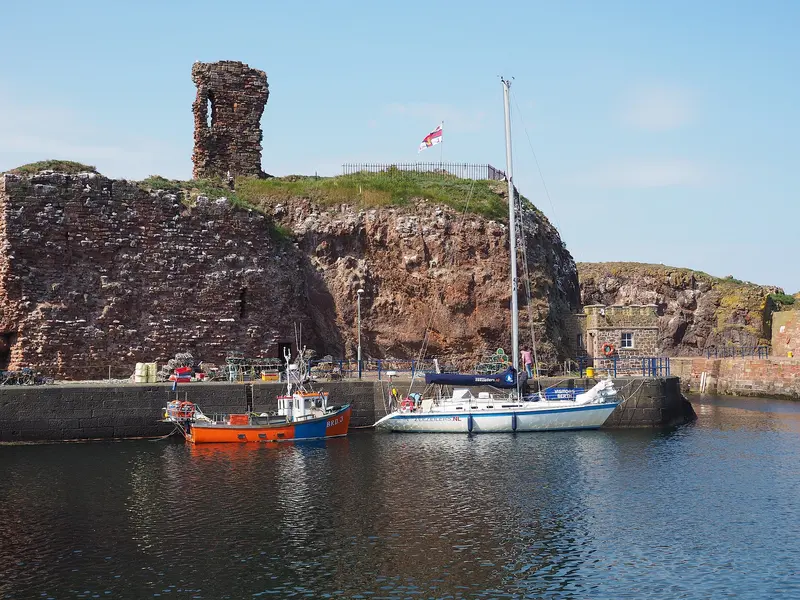
Photo: Jennifer Petrie, CC BY-SA 2.0
Scotland DUN
Dunbar by train: an East Lothian harbour town, birthplace of John Muir, with coastal country park walks and Tantallon Castle nearby.
Photo: Martin Dawes, CC BY-SA 2.0
Scotland EDB
Edinburgh by train: arrive at Waverley between the Old and New Towns, steps from Princes Street, the Royal Mile and the castle. From about 4 hours from London.
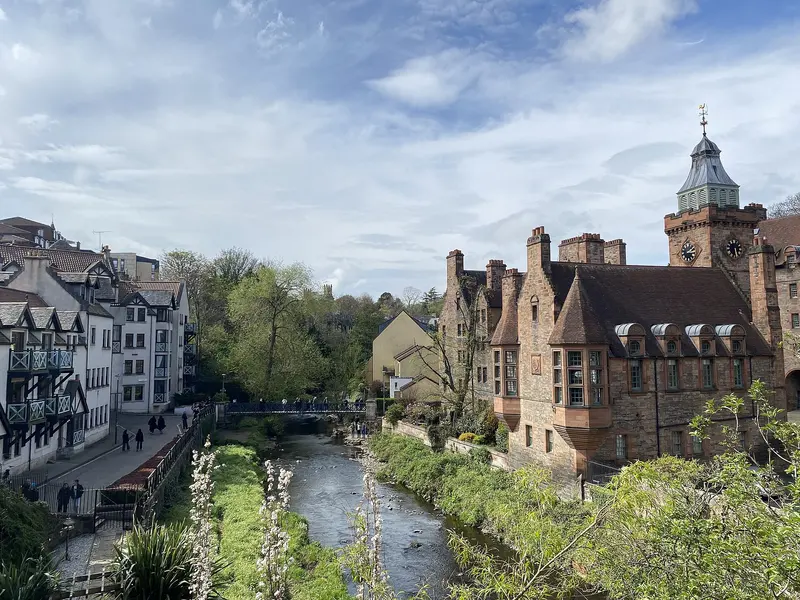
Photo: 瑞丽江的河水, CC BY-SA 4.0
Scotland HYM
Haymarket by train: Edinburgh's West End station for Murrayfield, the Modern galleries, Dean Village and Edinburgh Zoo, with trams at the door.
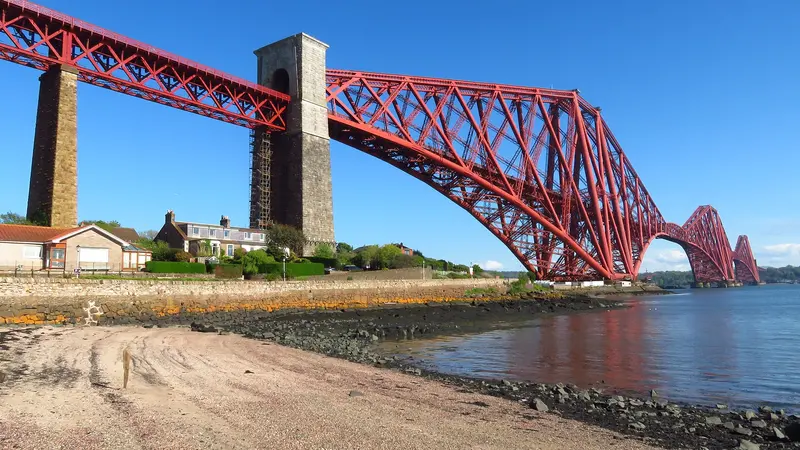
Photo: Colin Park, CC BY-SA 2.0
Scotland INK
Inverkeithing by train: a historic Fife burgh just north of the Forth Bridge, handy for North Queensferry, Deep Sea World and the Fife Coastal Path.
Scotland KDY
Kirkcaldy by train: Fife's 'Lang Toun' on the Firth of Forth, with galleries next to the station, an artillery castle and the coastal path.
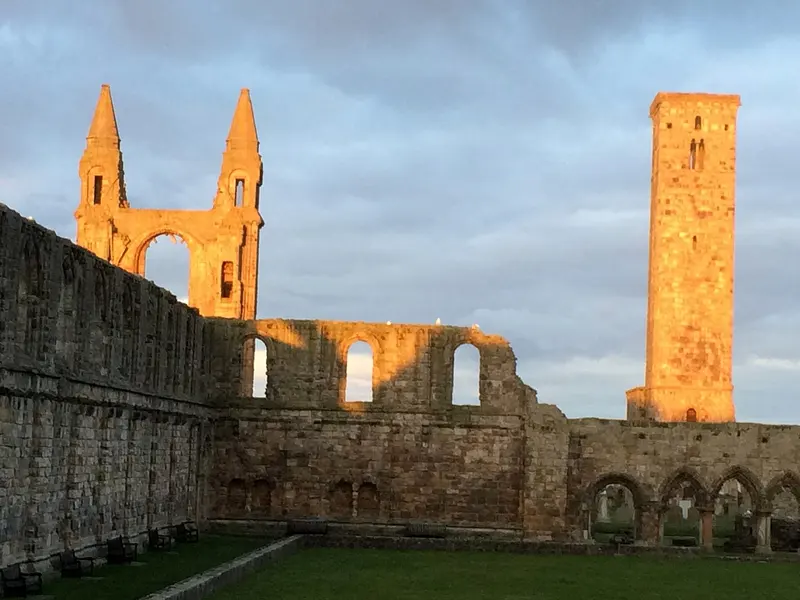
Photo: John H Darch, CC BY-SA 2.0
Scotland LEU
Leuchars by train: the station for St Andrews, home of golf, with its ruined cathedral and castle, plus the dunes and beaches of Tentsmuir.
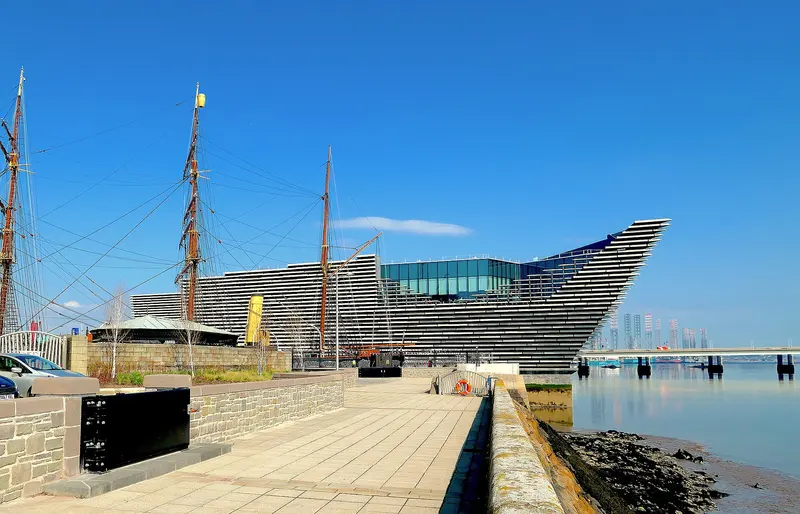
Photo: Richard Szwejkowski, CC BY-SA 2.0
Scotland DEE
Dundee travel guide: V&A Dundee, RRS Discovery and the McManus, all close to the waterfront station on LNER's London–Aberdeen line.
Scotland ARB
Arbroath guide: the red sandstone abbey linked to the Declaration of Arbroath, the Signal Tower Museum and dramatic cliffs, on LNER's Aberdeen line.
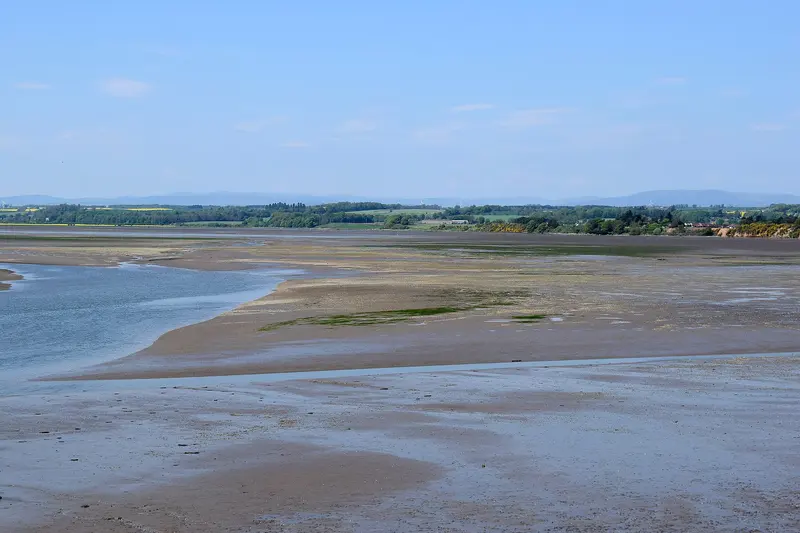
Photo: Bill Harrison, CC BY-SA 2.0
Scotland MTS
Montrose guide: Montrose Basin wildlife reserve, Britain's first operational military air station and the Georgian House of Dun.
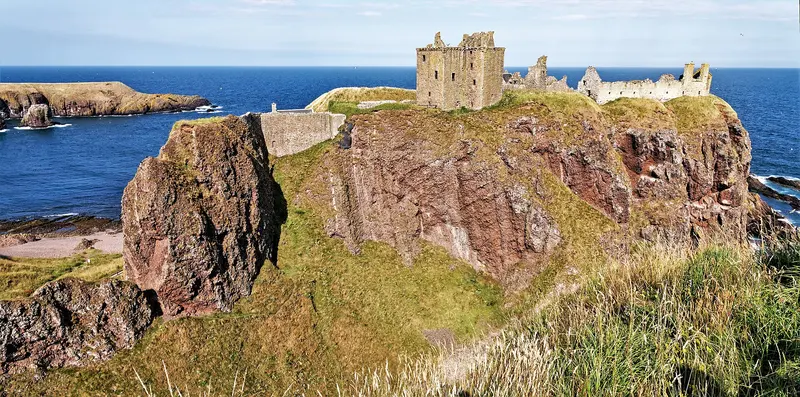
Photo: Holger Uwe Schmitt, CC BY-SA 4.0
Scotland STN
Stonehaven guide: clifftop Dunnottar Castle, an art deco seawater lido and the Hogmanay fireballs, 15 miles south of Aberdeen.
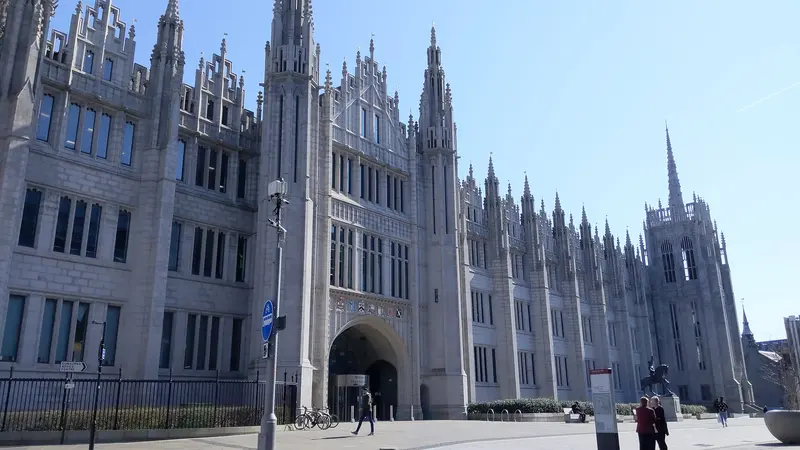
Photo: UltrasonicMadness, CC BY-SA 4.0
Scotland ABD
Aberdeen guide: the Granite City's free art gallery and maritime museum, Old Aberdeen and St Machar's, reached direct from King's Cross.
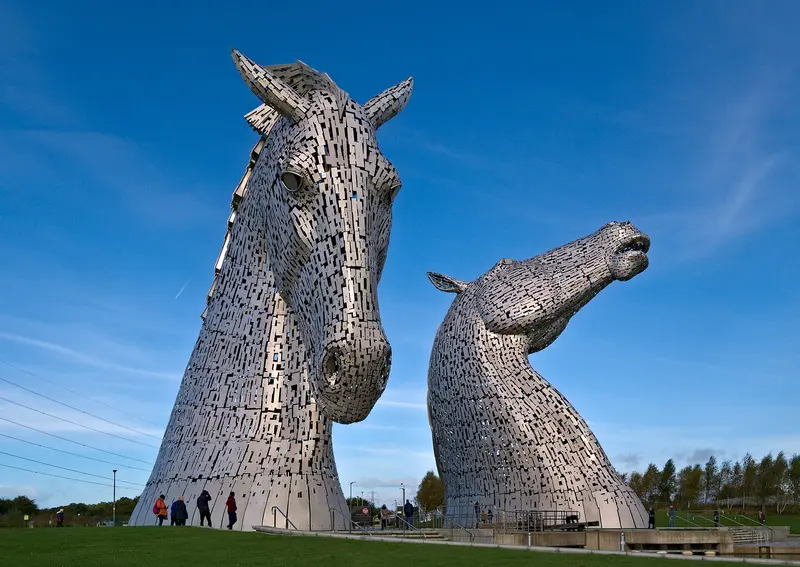
Photo: Daniel Kraft, CC BY-SA 4.0
Scotland FKG
Falkirk guide: the rotating Falkirk Wheel, the 30-metre Kelpies and Callendar House, reached on LNER's daily Highland Chieftain.
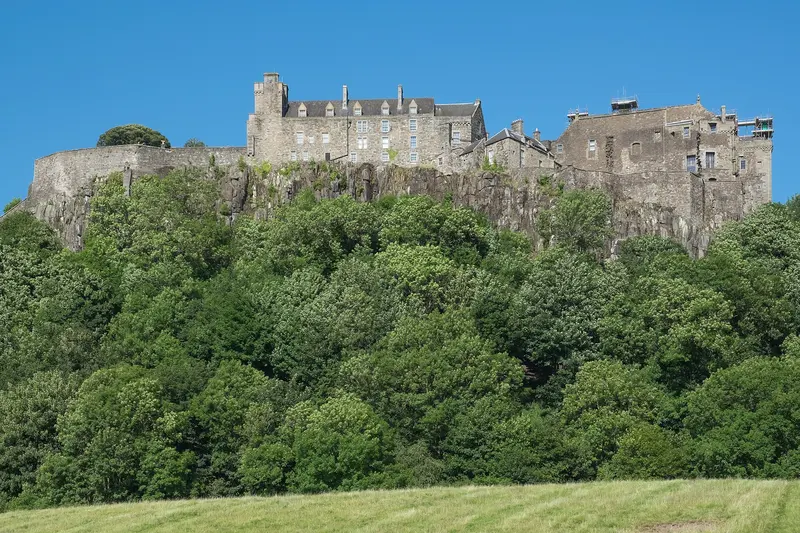
Photo: DeFacto, CC BY-SA 4.0
Scotland STG
Stirling guide: Stirling Castle, the National Wallace Monument and the Old Town, on LNER's daily Highland Chieftain from King's Cross.
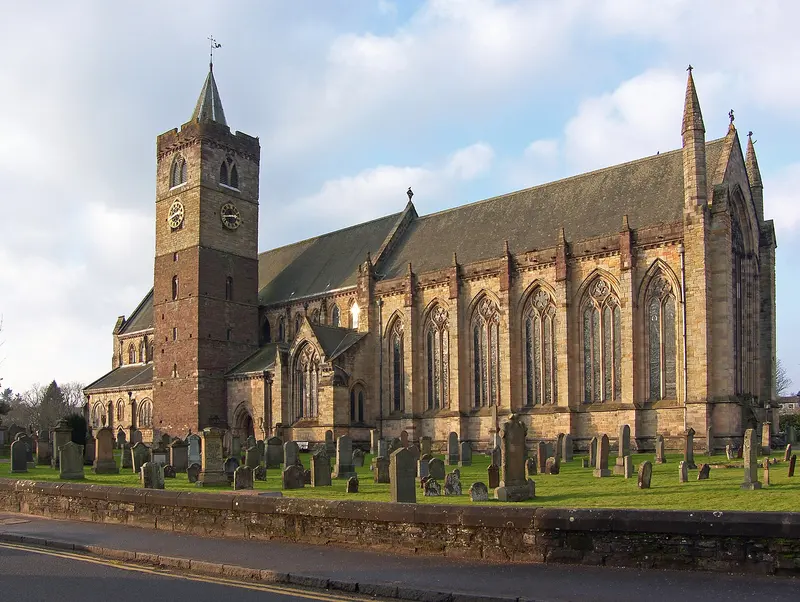
Photo: PaddyBriggs, CC BY-SA 3.0
Scotland DBL
Dunblane guide: a medieval cathedral, a volunteer-run museum and Allan Water walks – served by LNER's Sunday southbound Highland Chieftain.
Scotland GLE
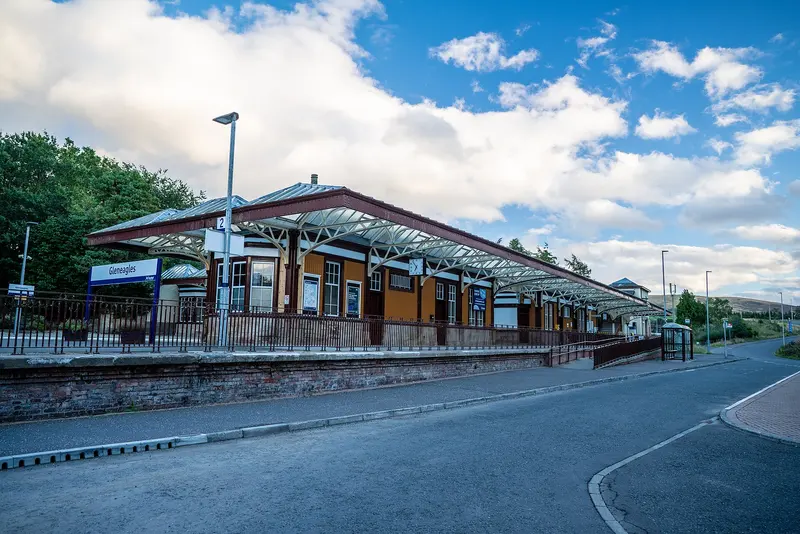
Gleneagles station guide: for the famous Gleneagles hotel and golf resort and the town of Auchterarder, on the daily Highland Chieftain.
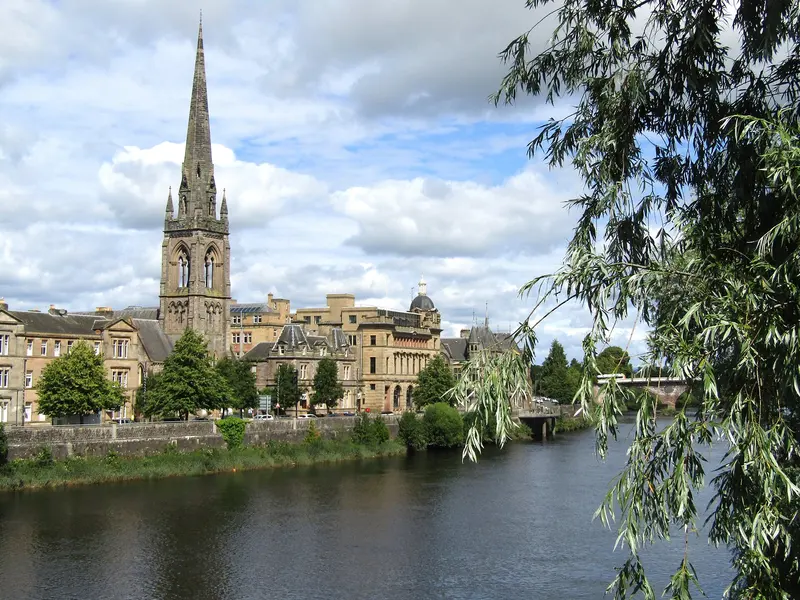
Photo: Colin Smith, CC BY-SA 2.0
Scotland PTH
Perth guide: the Stone of Destiny at Perth Museum, Scone Palace, the Black Watch museum and riverside gardens – direct from London on the Highland Chieftain.
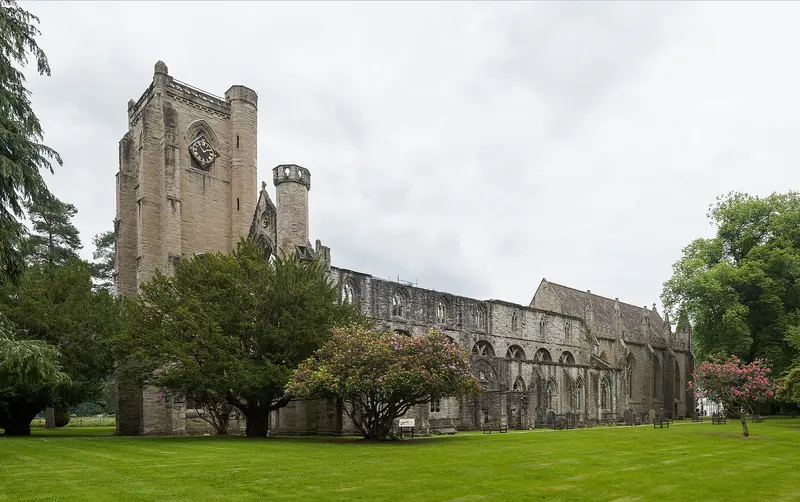
Photo: Diliff, CC BY-SA 4.0
Scotland DKD
Dunkeld & Birnam guide: riverside cathedral ruins, the Hermitage's giant Douglas firs, Beatrix Potter links and ospreys at Loch of the Lowes.
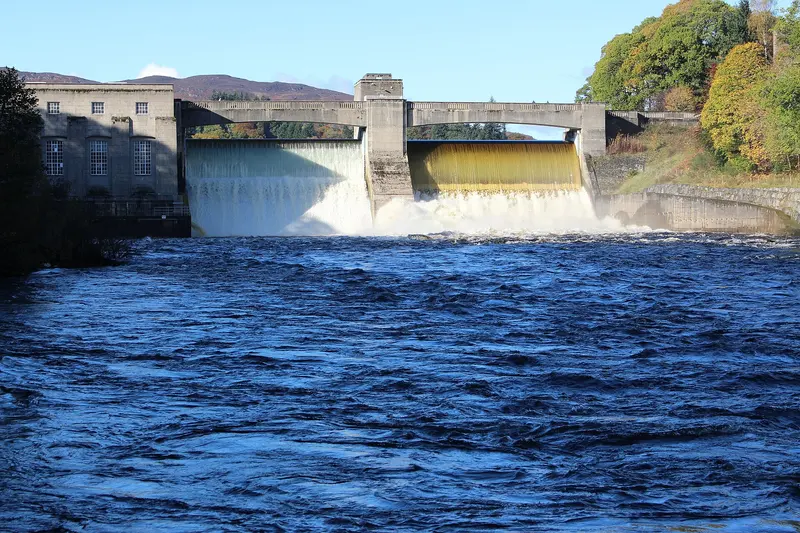
Photo: Graeme Yuill, CC BY-SA 2.0
Scotland PIT
Pitlochry guide: the salmon ladder at Pitlochry Dam, the Festival Theatre and the Pass of Killiecrankie, on LNER's Highland Chieftain.
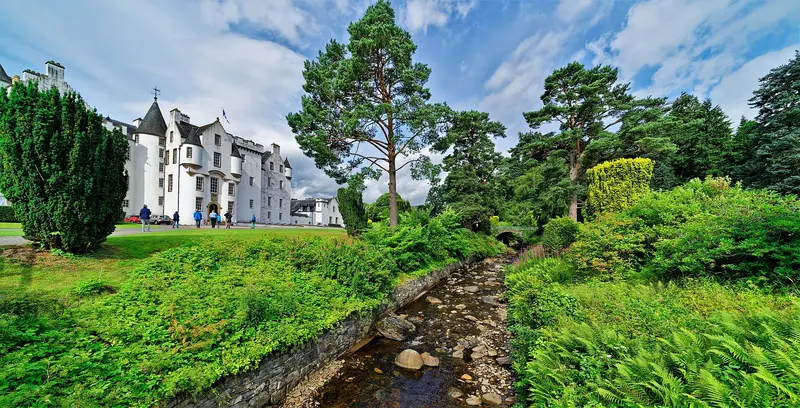
Photo: Holger Uwe Schmitt, CC BY-SA 4.0
Scotland BLA
Blair Atholl guide: white-harled Blair Castle, home of Europe's last private army, and waymarked trails into Glen Tilt.
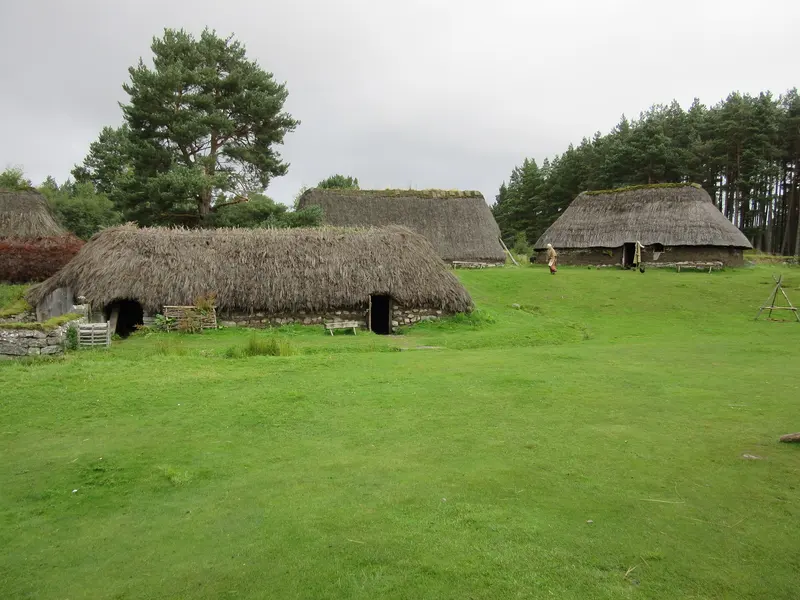
Photo: Euan Nelson, CC BY-SA 2.0
Scotland NWR
Newtonmore guide: the open-air Highland Folk Museum and the Clan Macpherson Museum, in the Cairngorms National Park.
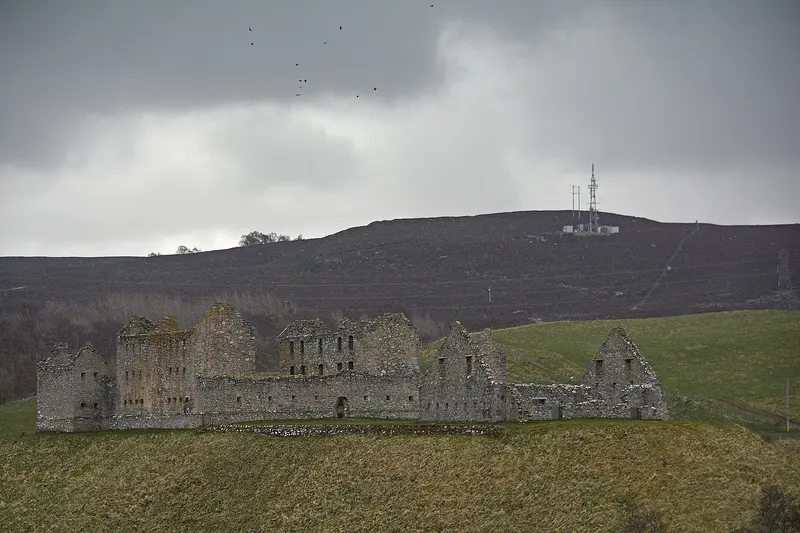
Photo: Lewis Clarke, CC BY-SA 2.0
Scotland KIN
Kingussie guide: the ruined Ruthven Barracks and the RSPB's Insh Marshes, in the heart of Badenoch on the Highland Chieftain route.
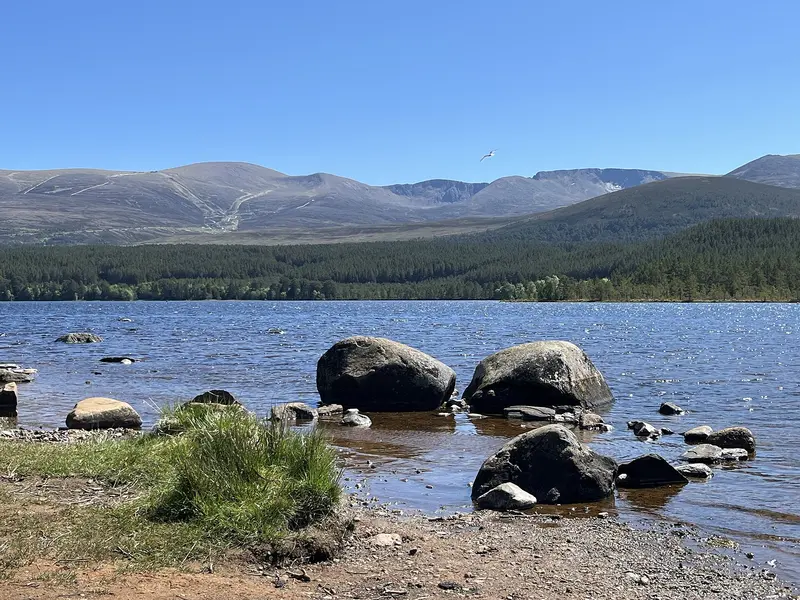
Photo: John Purchase, CC BY-SA 2.0
Scotland AVM
Aviemore guide: steam on the Strathspey Railway, Cairngorm Mountain's funicular, reindeer and Rothiemurchus forest – direct from London.
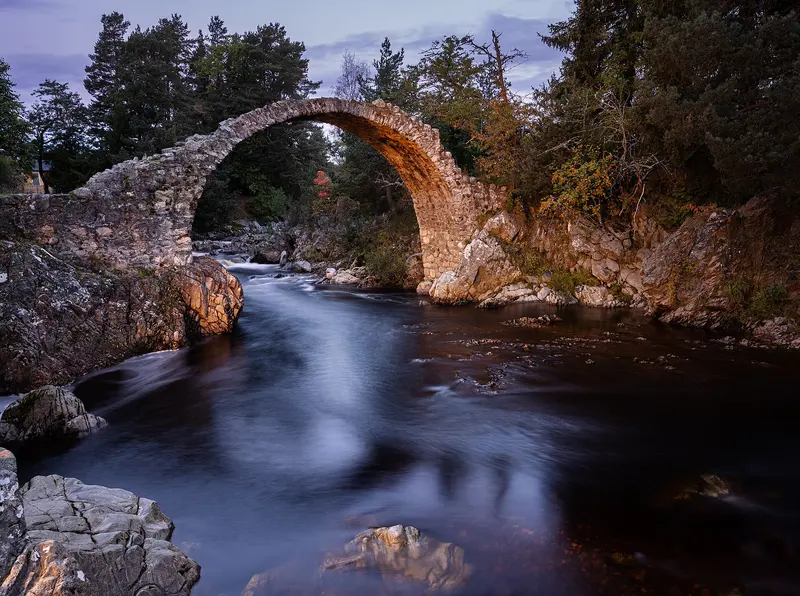
Photo: Simaron, CC BY-SA 2.0
Scotland CAG
Carrbridge guide: the Highlands' oldest stone bridge and Landmark Forest Adventure Park, 5 miles north of Aviemore.
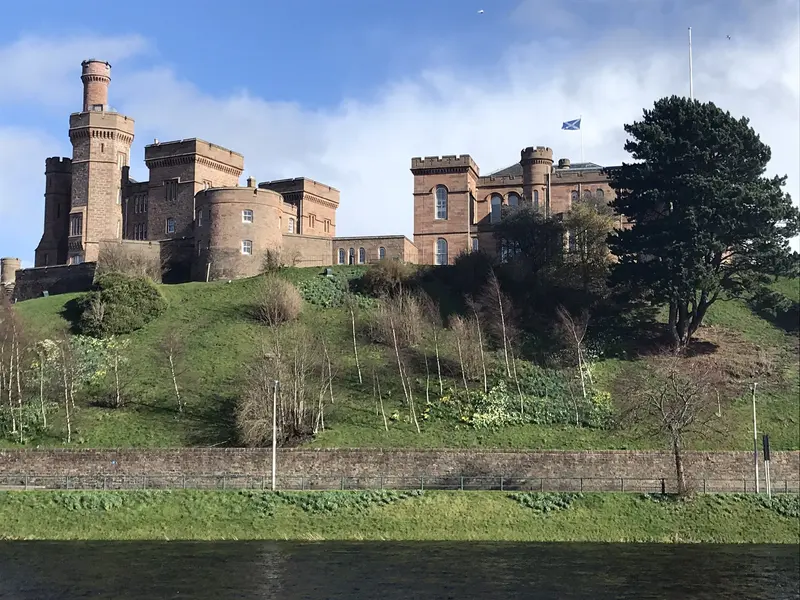
Photo: don cload, CC BY-SA 2.0
Scotland INV
Inverness guide: the Inverness Castle Experience, Culloden battlefield and the River Ness – the end of the Highland Chieftain's 581-mile run.
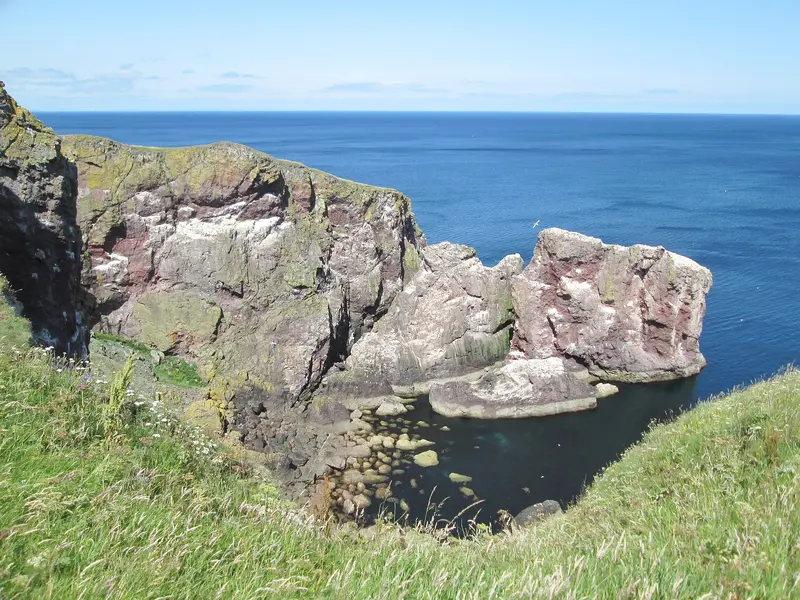
Dramatic cliffs with a busy seabird colony in summer, wildflower grassland, the Mire Loch and a nature centre; grey seals breed on the beaches in November and December. The reserve is open daily and entry is free.
A 30-mile coastal walking route between Cockburnspath and Berwick-upon-Tweed, passing St Abbs, Coldingham Bay and Eyemouth along the way.
The house where John Muir was born is now a museum about the inventor, botanist, writer and campaigner, towards the north end of the High Street.
Around eight miles of coastline between Dunbar Castle and Pfeffer Sands, protected for its wildlife and geology, with a large outdoor play area and picnic tables.
A dramatic 14th-century cliff-top fortress facing the Bass Rock, and the last medieval curtain-wall castle built in Scotland.
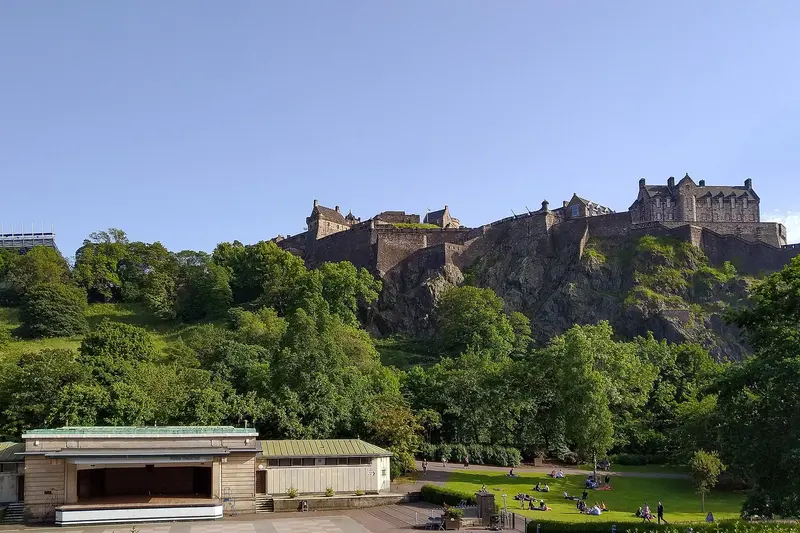
Perched on Castle Rock, the castle has been a royal residence, fortress, prison and treasury over nine centuries. Tickets often sell out, so book ahead – and buy only through the official site.
Scottish history and international collections in two connected buildings on Chambers Street, from natural history to science and world cultures. Free entry, with charges for some exhibitions.
Scotland's national gallery on The Mound – formerly the Scottish National Gallery – shows art from about 1300 to 1945, from Titian and Rembrandt to the Glasgow Boys. Free admission; open daily.
The King's official residence in Scotland, at the foot of the Royal Mile, with the State Apartments, Mary, Queen of Scots' chambers and the ruined Holyrood Abbey. Open throughout the year.
A wild 650-acre royal park on the city's doorstep, dominated by Arthur's Seat, an extinct volcano rising to 251 metres with panoramic views.
The Victorian Gothic spire in Princes Street Gardens honouring Sir Walter Scott, one of the largest monuments to a writer anywhere. Guided tours explain Scott's life and the monument's history.
The former royal yacht, in service from 1954 to 1997, is now moored at Ocean Terminal in Leith and open to visitors, with lifts to each deck.
Founded in 1670 as a physic garden, the garden is a major centre for plant science and a peaceful place to walk; its historic Palm Houses were due to reopen in October 2026 after restoration.
Scotland's national rugby stadium and its largest stadium, opened in 1925. Daily behind-the-scenes tours include the tunnel walk and items from the Scottish Rugby heritage collection.
Two galleries of modern and contemporary art facing each other on Belford Road, set in sculpture parks. Modern One is free; Modern Two hosts changing exhibitions.
The riverside walkway threads through the city past Dean Village, a former milling village below the Dean Bridge. The Water of Leith Conservation Trust posts current path closures on its website.
Run by the Royal Zoological Society of Scotland on the slopes of Corstorphine Hill, the zoo is home to more than 2,500 animals and was the first in the world to house and breed penguins.
The 1890 Forth Bridge, the 1964 Forth Road Bridge and the 2017 Queensferry Crossing stand side by side over the firth. The cantilevered rail bridge is a UNESCO World Heritage Site – and you cross it on the train.
An aquarium in North Queensferry known for its sand tiger sharks, with talks and feeds through the day. Its nearest station is North Queensferry, one stop south.
A long-distance trail of around 117 miles from Kincardine to Newburgh, split into day sections; North Queensferry, below the bridges, is on the route.
The remains of a large medieval Benedictine abbey beside a working parish church. The abbey is free to visit, though the palace ruins are currently closed.
The town's museum, art gallery and library under one roof, with permanent displays on Kirkcaldy's industrial and social history, changing exhibitions and a café overlooking the War Memorial Gardens.
For more than 125 years at the heart of the town's cultural life, recently refurbished, with drama, music, comedy and community galleries.
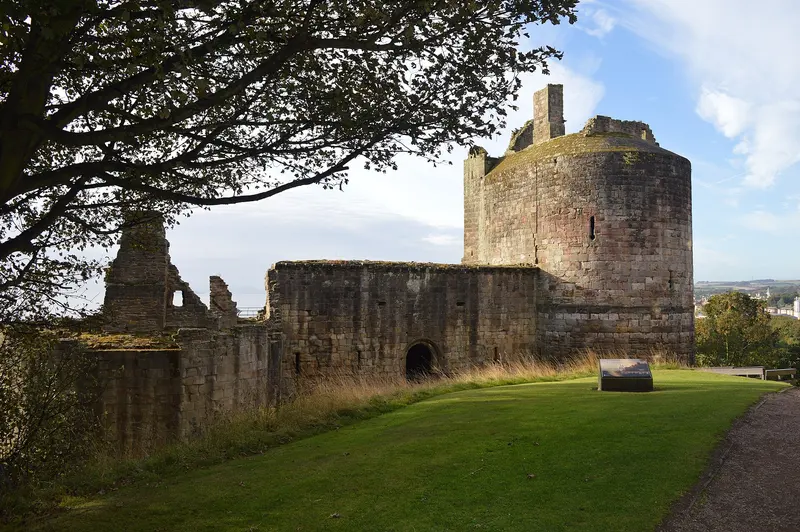
Begun in 1460 for Queen Mary of Gueldres and finished by the Sinclairs, its massive 3.5-metre walls show how gunpowder artillery changed castle design.
The 117-mile trail follows the Fife coast from Kincardine to Newburgh; the Fife Coast and Countryside Trust, which looks after it, is based in Dysart on Kirkcaldy's eastern edge and lists Kirkcaldy's beaches among its sites.
The ruins of the cathedral begun in 1158, once the largest church in Scotland and the centre of the medieval Scottish church. You can walk the grounds of this prominent landmark, visible from land and sea.
The cliff-top palace of the bishops and archbishops of St Andrews, entered through a visitor centre displaying carved fragments. Tickets are needed.
The Old Course is often called the oldest golf course in the world and is a public course held in trust by the St Andrews Links Trust.
Formerly the British Golf Museum, it traces more than 400 years of the game through immersive galleries, opposite the Royal and Ancient clubhouse.
Shifting sand dunes, beaches, lochs and pine forest north of Leuchars, where seals haul out on the sandbanks and wading birds feed on the mudflats.
An aquarium with more than 120 species, from penguins and meerkats to sharks, with daily feeding talks.
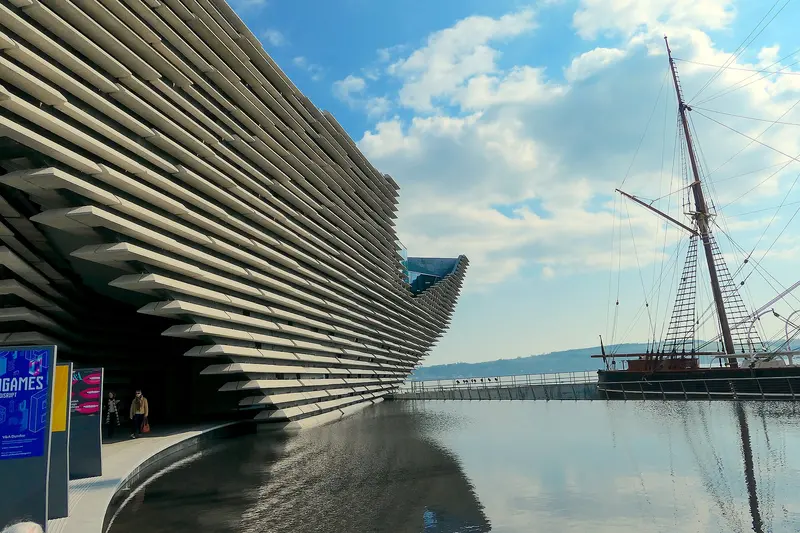
Scotland's design museum stands on Dundee's waterfront and stages major exhibitions – David Bowie: On Tour opens on 4 November 2026. General admission is free (as of September 2026), with charges for some exhibitions.
Go aboard the Royal Research Ship Discovery, which was built in Dundee's shipyards and carried Captain Scott's Antarctic expedition, then explore the story of polar exploration in the visitor centre alongside.
Dundee's art gallery and museum fills a Gothic Revival building with eight galleries covering the city's history, natural history and art. Entry is free (as of September 2026).
DCA combines contemporary art galleries, an independent cinema, a print studio and a café-bar in the city centre – a good place to spend a rainy afternoon or an evening.
A refurbished mill building where working machinery and personal stories explain how jute shaped Dundee's industry and the lives of its mill workers.
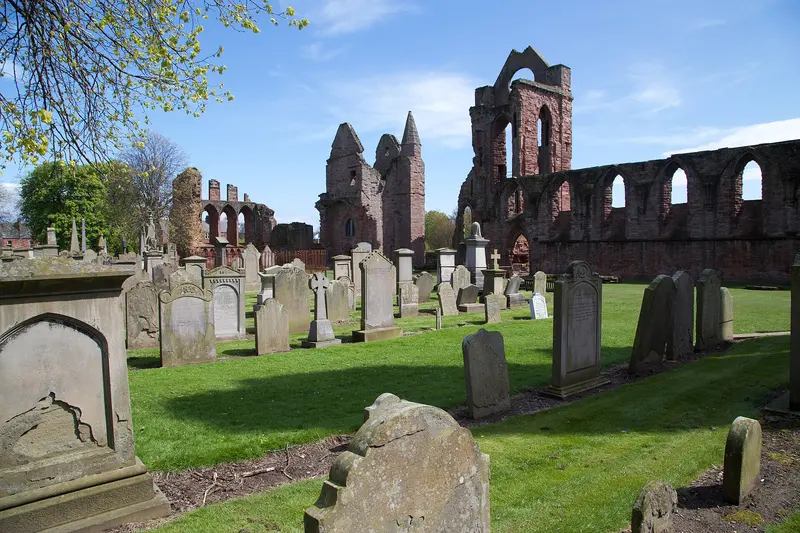
Founded in 1178 and one of medieval Scotland's grandest monasteries, the abbey is famous for its twin-towered west front and its 'Round O' window. The visitor centre tells the story of the Declaration of Arbroath.
Built in 1813 as the shore station for the Bell Rock Lighthouse, the Signal Tower became a museum in 1974 and now covers the lighthouse, the harbour and Arbroath's fishing heritage.
A Scottish Wildlife Trust reserve of red sandstone cliffs with sea caves, stacks, blowholes and arches, reached on foot from the promenade. Stick to the waymarked paths: the Trust warns of unstable edges and part of the path is closed (as of September 2026).
An enclosed estuary of the South Esk that attracts over 100,000 migratory birds in autumn and winter. The Scottish Wildlife Trust's visitor centre has telescopes and panoramic views across the reserve.
Montrose Air Station opened in February 1913 as Britain's first operational military air station and closed in 1952. The volunteer-run museum includes a full-size replica B.E.2a aircraft and tells the stories of those who served there.
Founded in 1842 by the town's Natural History and Antiquarian Society, this temple-fronted museum covers local, natural and maritime history, from early archaeology to the Jacobites. Entry is free (as of September 2026).
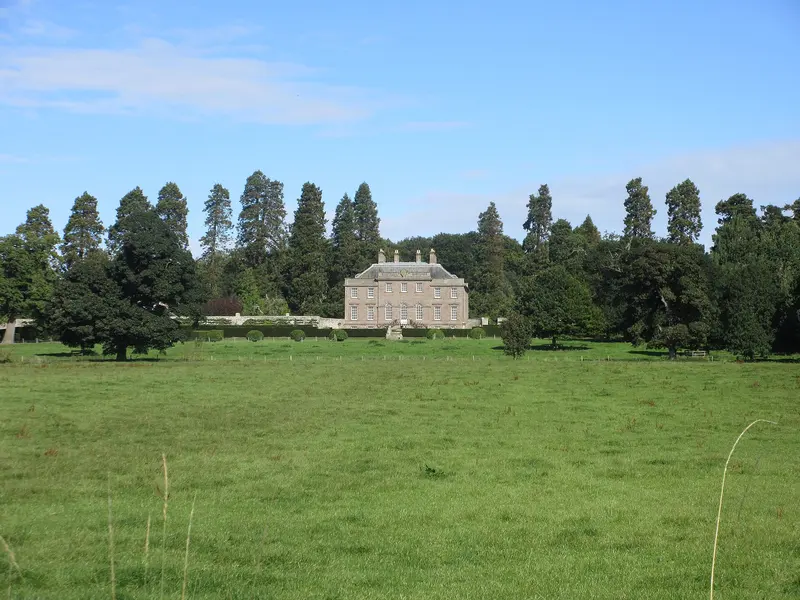
A Georgian house designed by William Adam and built in 1743, with fine plasterwork, formal gardens and woodland walks overlooking Montrose Basin. It is run by the National Trust for Scotland.
A dramatic clifftop ruin on a rocky outcrop above the North Sea, linked with William Wallace and Mary Queen of Scots and best known for protecting the Honours of Scotland from Oliver Cromwell's troops.
Opened in 1934, this heated, Olympic-sized art deco lido is filled with seawater. It is a summer attraction: the main season ends in early September, with a cold-water season announced for November (as of September 2026).
The harbourside Tolbooth is the oldest building in Stonehaven and, as a volunteer-run museum, displays items from its days as a prison and from the town's past.
The city's main gallery, on Schoolhill, shows the city's art collection alongside changing exhibitions and has cafés on two levels. Admission is free (as of September 2026).
Set on historic Shiprow above the harbour, the museum traces Aberdeen's relationship with the sea, from trading, fishing and shipbuilding to offshore energy. Free entry (as of September 2026).
Dating from 1545, this is Aberdeen's oldest surviving townhouse, now a museum celebrating notable people from the city and the North-East. It opens seasonally, April to October, Thursday to Monday (2026).
A place of worship since around 600, with the present building begun in the early 15th century and a famous heraldic ceiling of 1520. It stands at the heart of Old Aberdeen.
The world's only rotating boat lift raises boats 115 feet between two canals. Watch it turn, or take the boat trip that rides the wheel and sails through the Roughcastle Tunnel.
Andy Scott's Kelpies are 30-metre-high monuments to horse-powered heritage; a guided tour is the only way to see inside. The surrounding Helix park has a visitor centre, café and lagoon.
A grand house in more than 170 acres of parkland that includes part of the Antonine Wall, a UNESCO World Heritage Site. House, exhibitions and Georgian kitchen are free to visit; closed on Tuesdays (as of September 2026).
One of Scotland's great castles, with ramparts and three enclosures to explore, the Great Hall and the refurbished Royal Palace of James V. Book ahead to guarantee entry at busy times.
A landmark tower on Abbey Craig telling the story of William Wallace, who led his troops to victory at the Battle of Stirling Bridge. Tickets are sold by timed entry slot.
A Victorian jail brought to life by costumed performance tours that leave every 30 minutes, plus darker evening tours around Halloween.
The site of Robert the Bruce's victory in 1314, with a memorial park, restored monuments and Pilkington Jackson's bronze statue of Bruce. The visitor centre is closed for redevelopment until mid-2028, but the grounds and monuments stay open (as of September 2026).
A red sandstone tower from the 1100s, an ornate Gothic west doorway and rare 15th-century choir stalls make this one of Scotland's noblest medieval churches. Entry is free; as a working church it can close for services and events.
Volunteer-run themed rooms covering Dunblane's long history, from a 4,000-year-old necklace to the Battle of Sheriffmuir and the Murray brothers' tennis careers. Free entry; open April to mid-October, Monday to Saturday (2026).
A celebrated hotel and golf resort with the King's, Queen's and PGA Centenary championship courses, plus restaurants, a spa and country pursuits.
A Highland single malt distillery in Blackford whose site has a brewing and distilling history it traces back to 1488. Guided tours need booking.
Home of the Stone of Destiny, the ancient coronation stone, alongside collections that place Perth and Kinross at the centre of Scotland's story, in an Edwardian hall transformed by the architects Mecanoo. Viewing the Stone is free, and tickets can be booked in advance.
The crowning place of Scottish kings, with state rooms, gardens, a pinetum and maze. Open daily from 1 April to 31 October in 2026.
Balhousie Castle holds the story of the Black Watch, Scotland's oldest Highland regiment, from its formation in 1739 onwards, with a bistro and shop.
The city's main stages for drama, music, comedy and family shows, run together by Horsecross Arts.
A two-acre hillside garden begun in 1922 on the slopes of Kinnoull Hill and famed for rare plants such as Himalayan blue poppies. National Trust for Scotland; closed in winter.
The choir, from the late 1200s, is still the parish church; the roofless nave, begun in 1406, is closed for conservation work, but the riverside grounds remain open (as of September 2026).
Towering Douglas firs line the paths to the Black Linn Falls, best seen from the 1757 folly of Ossian's Hall. In autumn you may see salmon leaping.
An exhibition and garden at Birnam Arts explore Beatrix Potter's childhood summers in Perthshire; the picture letter that became The Tale of Peter Rabbit was written while she stayed in Dunkeld in 1893.
A Scottish Wildlife Trust reserve where ospreys return to a nest about 150 metres from the hides. Best for ospreys from April to August; red squirrels all year.
The dam and power station began generating in 1950 as part of the Tummel Valley scheme. Its famous fish ladder of 34 tiered pools helps salmon and sea trout upstream, and the visitor centre explains how.
Scotland's 'Theatre in the Hills' has staged work since 1951; its 2026 season includes My Fair Lady from 21 November to 31 December. The Explorers Garden alongside is open daily except Mondays in season (2026).
A wooded river gorge where the Battle of Killiecrankie was fought on 27 July 1689. Visit Soldier's Leap and look out for red squirrels; the visitor centre and site are free, with a charge for parking.
The Atholl family's seat for over 750 years, with 18th-century interiors, Scots Baronial architecture and gardens. Open daily from 1 April to 30 October in 2026.
Six waymarked trails start near the village, from the one-mile Red Squirrel Trail to the 10-mile Glen Tilt Trail. During stag stalking (1 August to 20 October) keep to main paths.
Over 35 historic buildings across a mile-long site, from a 1700s township to 20th-century homes, with costumed interpreters. Entry is free; the 2026 season runs from 1 April to 25 October.
A small, free museum on Main Street telling the story of Clan Macpherson through artefacts such as the Black Chanter and the Cumberland Medallion. Open 1 April to 31 October (2026).
Government barracks built in the early 1700s to police the Highlands. A Jacobite attack failed in 1745, but a stronger one forced its surrender the following year. Free to visit and open all year.
Ten square kilometres of River Spey floodplain between Kingussie and Kincraig, home to breeding curlews, lapwings, redshanks and snipe. There are no toilets on site.
A heritage railway running steam and diesel trains from Aviemore to Boat of Garten and Broomhill. It does not run every day, so check the timetable.
Ride the UK's highest funicular railway, or try the mountain carts, bike park and play areas in summer and snowsports in winter.
Britain's only free-ranging reindeer herd has roamed the Cairngorms since 1952. Guided hill trips run on most days from the centre in Glenmore.
An estate of ancient Caledonian pine forest in the heart of the Cairngorms, with walks to Loch an Eilein, a farm shop, a café and outdoor activities.
The arched stone bridge over the River Dulnain that gave the village its name is described as the oldest stone bridge in the Highlands.
An adventure park in the forest with 22 attractions including treetop nets, Dinosaur Kingdom, wild water coasters and climbing challenges. Its summer season runs from 27 March to 25 October in 2026.
Interactive installations and exhibitions inside the castle explore the 'Spirit of the Highlands' – its landscapes, people and heritage – with a café and shop.
Free museum on Castle Wynd covering the history, culture and art of the Highlands. Hours are shorter from November to March, and it is closed on Sundays and Mondays.
Walk the moor where the 1745 Jacobite Rising ended in 1746, then visit the museum and 360-degree battle immersion theatre. National Trust for Scotland; the battlefield is open all year.
The city's theatre and cinema, with touring musicals, drama, comedy and films; it is celebrating 50 years in 2026.
The UK's most northerly botanic gardens, with seasonal planting and a café. Allow an hour or so.
Check live times and fares with LNER, or compare prices on Trip.com. Book early for the best chance of a cheaper Advance fare.