Gordon Craig Theatre
Opened in 1975, this 501-seat theatre on Lytton Way stages plays, pantomime, opera, dance and one-night music shows. It is part of the arts and leisure centre facing the station.
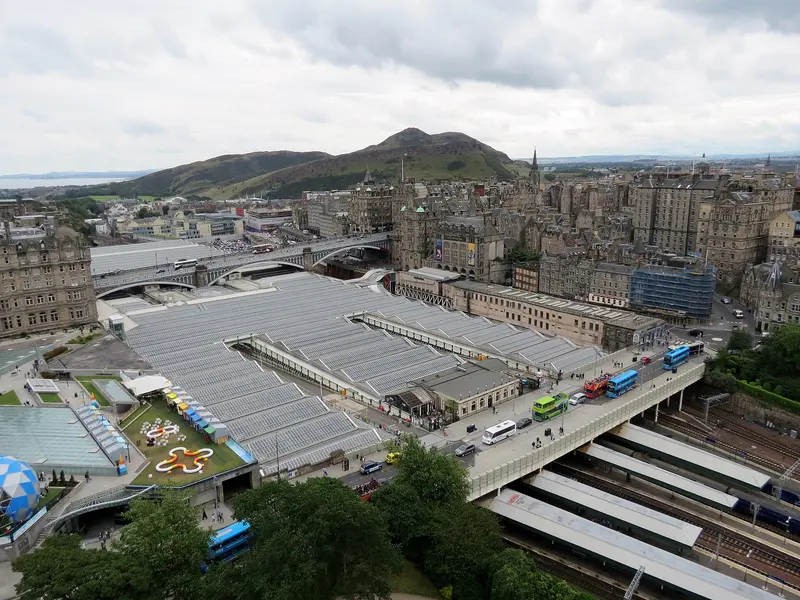
LNER route
The East Coast Main Line's headline run: London to Edinburgh via York and Newcastle, with the quickest trains taking just over four hours.
Waverley's low glass roof, seen from the Scott Monument, with Arthur's Seat on the skylinePhoto: Martin Dawes, CC BY-SA 2.0
This is the backbone of the whole LNER network. Trains leave London King's Cross, cross the Hertfordshire and Cambridgeshire countryside, run north through Lincolnshire, Nottinghamshire and Yorkshire, then carry on through County Durham and Northumberland before crossing into Scotland and finishing at Edinburgh Waverley, 393 miles from King's Cross.
The line serves a very different mix of journeys along its length. Plenty of people use it for a quick hop between London and Peterborough or York, while others ride the full distance between the two capitals. That is why the stopping pattern varies so much: the fastest trains skip almost everything, while others pick up the smaller towns on the way.
Many LNER trains that share this corridor finish short of Scotland, at York or Newcastle, and a handful of services start or end at Doncaster or York early and late in the day. Trains to Aberdeen and Inverness also run over the whole of this route before continuing north, so they are listed as separate routes on this guide.
Frequency: Around two trains an hour between London and Edinburgh for much of the day, with roughly 30 through trains in each direction on a typical weekday in the May–December 2026 timetable (including trains that continue to Aberdeen and Inverness). There are additional LNER trains between London and York or Newcastle.
Calling pattern: The quickest London–Edinburgh trains stop only at York and Newcastle. Most others add Peterborough, Newark Northgate, Doncaster and Darlington, with Alnmouth and Berwick-upon-Tweed usually served by alternate trains. Morpeth, Durham and Dunbar get a smaller number of Edinburgh trains, and Reston is served by very few trains (around one a day in each direction). Stevenage, Grantham, Retford, Northallerton and Durham are mainly served by LNER trains that run between London and Newcastle or York. Always check the calling points of the specific train you plan to catch.
Based on LNER's May–December 2026 timetable. Timetables change — check your train with LNER timetables or National Rail.
Shortly after leaving the London suburbs, the line crosses the Mimram valley in Hertfordshire on a forty-arch brick viaduct opened in 1850. It is also known as the Digswell Viaduct and is a Grade II* listed structure.
Between Peterborough and Grantham the line climbs to Stoke Summit, the highest point on the route between London and Berwick. On the descent south of Grantham, the steam locomotive Mallard set the world steam speed record of 126 mph on 3 July 1938, a record that still stands.
Approaching Durham from the south, trains cross an eleven-arch viaduct that is one of the city's best-known landmarks, then pull into the hillside station just north of the centre.
Trains reach Newcastle over the King Edward VII Bridge, a steel lattice railway bridge across the River Tyne that was opened by King Edward VII and Queen Alexandra in July 1906.
At Berwick-upon-Tweed the line crosses the River Tweed on Robert Stephenson's 28-arch stone viaduct, built between 1847 and 1850 and opened by Queen Victoria. Despite its name, the actual England–Scotland border lies roughly three miles further north.
Between Berwick and Edinburgh the line reaches its highest point overall, Grantshouse summit, at about 400 feet above sea level.
Coloured dots are calling points on this route; grey stations are served by other LNER routes.
One idea from each calling point. Open a station guide for more.
Opened in 1975, this 501-seat theatre on Lytton Way stages plays, pantomime, opera, dance and one-night music shows. It is part of the arts and leisure centre facing the station.
One of the finest surviving twelfth-century buildings in England, with a dramatic Early English West Front and the tomb of Henry VIII's first wife, Katharine of Aragon. Guided tours, including the upper levels and tower, can be booked.
A Grade I listed parish church whose spire is the second tallest in Lincolnshire. It is still an active church, so check service times before visiting.
A museum devoted to the seventeenth-century Civil Wars and Newark's part in them, with family days, walking tours and talks through the year. Admission is free for local residents and under-25s.
A free museum on Grove Street covering the history of north Nottinghamshire from the earliest times to today. It is closed on Wednesdays in term time and on Sundays.
A free cultural hub on Waterdale combining the city museum, art gallery, library, the King's Own Yorkshire Light Infantry museum and a Rail Heritage Centre. Open Monday to Saturday.
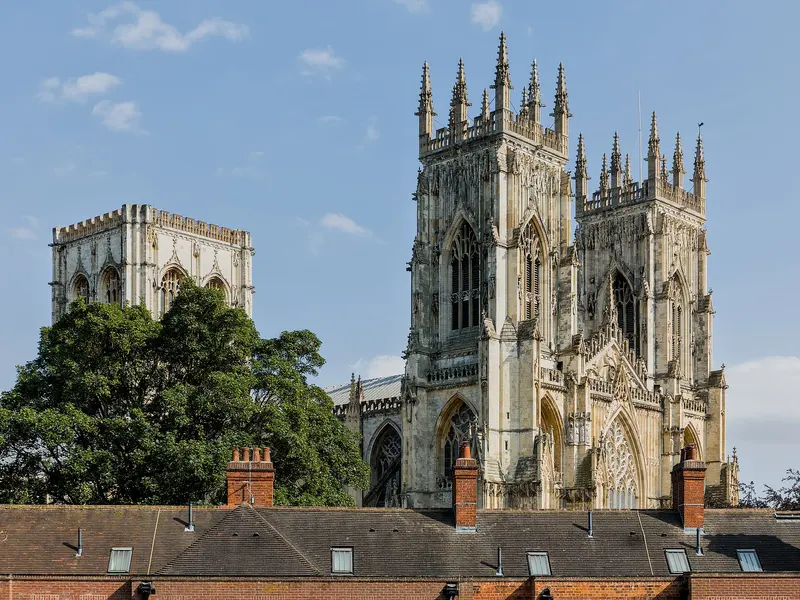
The seat of the Archbishop of York, with a church recorded on the site since 627; most of the present Gothic building went up between 1220 and 1472. Allow plenty of time to take in the scale of it.
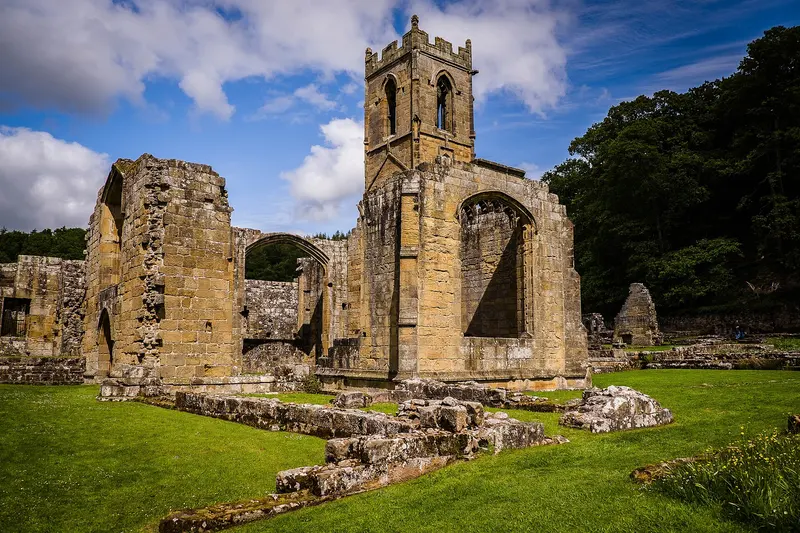
Founded in 1398, this was the last of the great Yorkshire monasteries and has the best-preserved ruins of any English charterhouse. The site also includes an Arts and Crafts house, terraced gardens and a café.
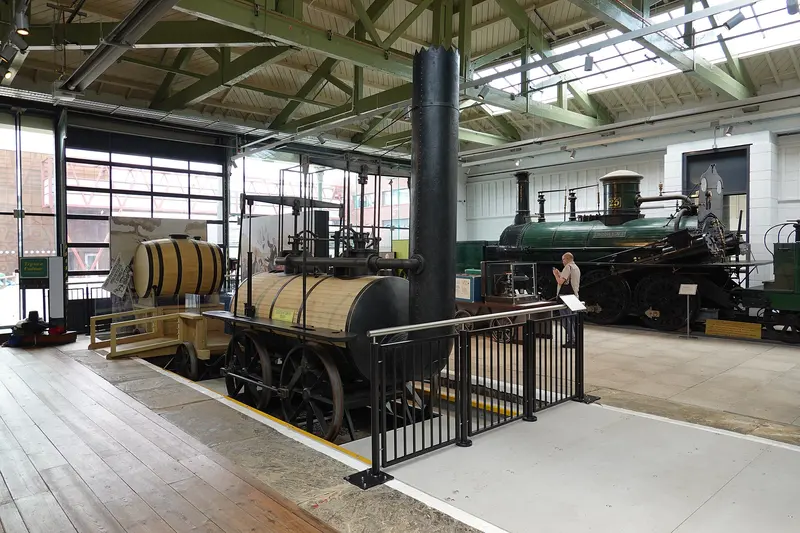
A railway-themed attraction on the 1825 Stockton and Darlington route, with a museum in the Grade II* listed North Road station, a ride, an adventure play area and the workshop where volunteers are building a new steam locomotive.
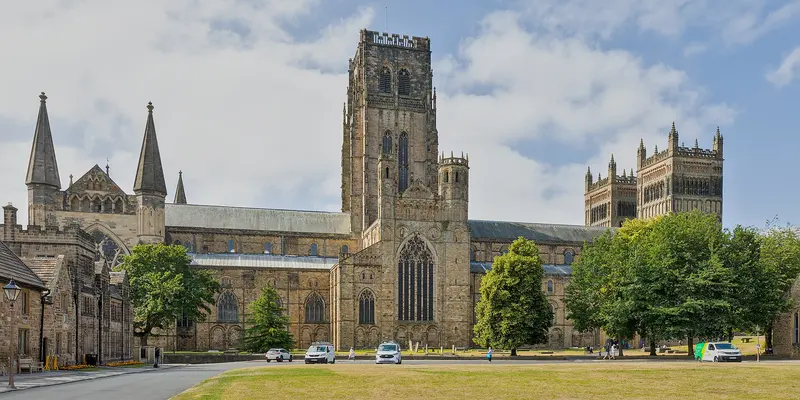
The great Norman cathedral holds the shrines of St Cuthbert, the North's best-loved saint, and the Venerable Bede. There is no admission charge, though visitors are asked to donate if they can.
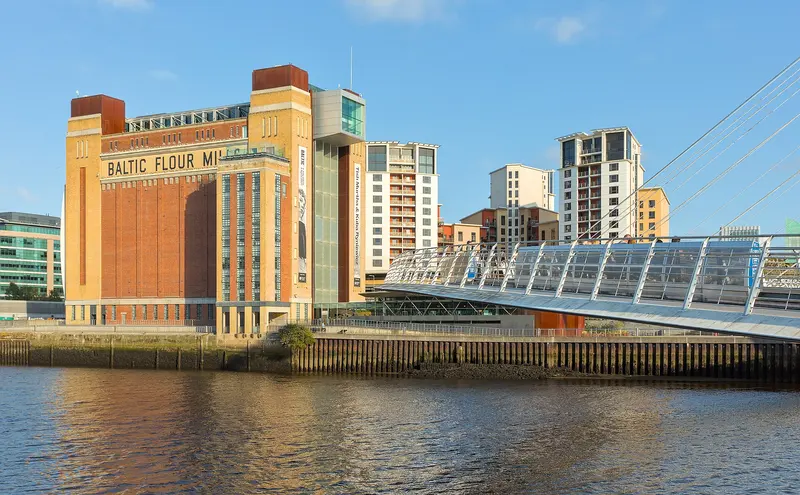
A converted flour mill on the Gateshead bank, opened in 2002, with constantly changing exhibitions and no permanent collection. Free entry; it opens Wednesday to Sunday.
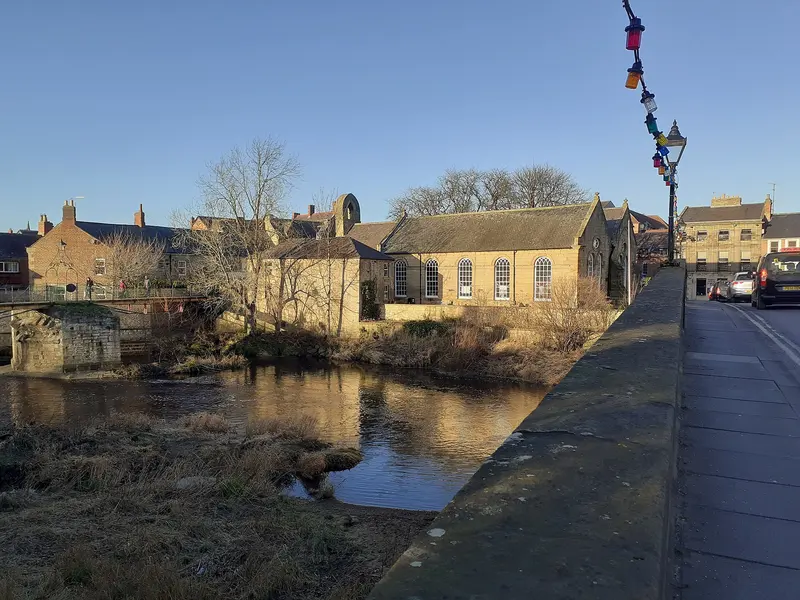
Billed as the first bagpipe museum in the UK, it holds a large collection of historic pipes, especially Northumbrian smallpipes and Border pipes. Free entry; closed on Sundays.
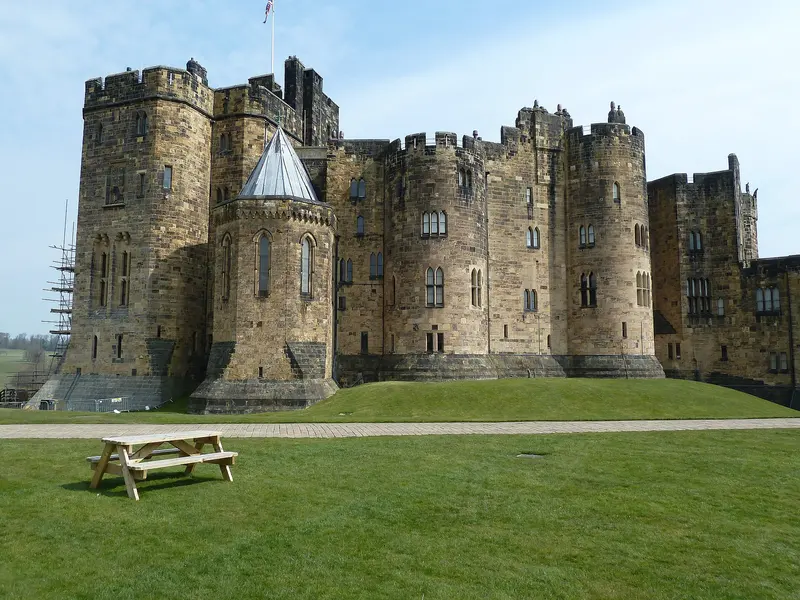
A Norman castle remodelled over the centuries and still the home of the Duke of Northumberland, with state rooms, exhibitions, guided tours and film-location trails. It opens for a visitor season rather than all year.
The scant remains of a castle that was central to Anglo-Scottish warfare, and the later bastioned town walls that replaced it. Brown signs mark access points to the ramparts; some sections have steep unguarded drops.
Dramatic cliffs with a busy seabird colony in summer, wildflower grassland, the Mire Loch and a nature centre; grey seals breed on the beaches in November and December. The reserve is open daily and entry is free.
The house where John Muir was born is now a museum about the inventor, botanist, writer and campaigner, towards the north end of the High Street.
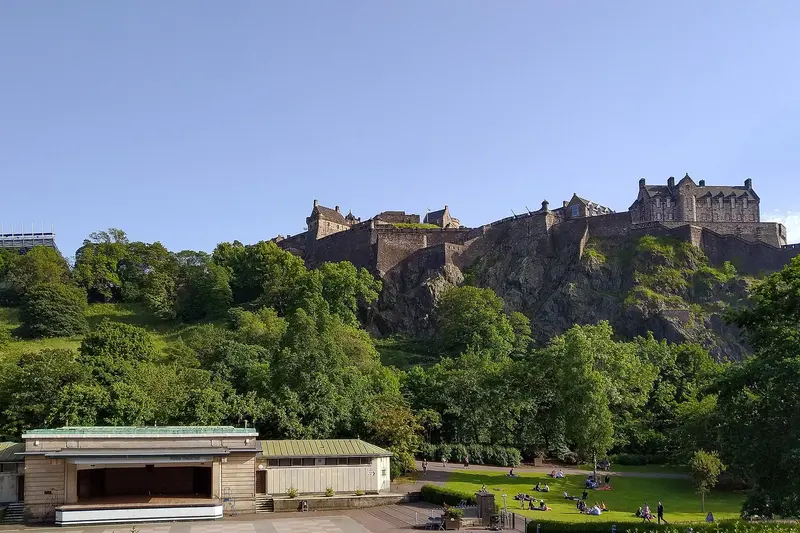
Perched on Castle Rock, the castle has been a royal residence, fortress, prison and treasury over nine centuries. Tickets often sell out, so book ahead – and buy only through the official site.
We researched this page using the sources below. They are listed for transparency and are not links; always check official websites for the latest details.
Check live times and fares with LNER, or compare prices on Trip.com. Book early for the best chance of a cheaper Advance fare.