Around 8 hours(8 hours 2 minutes northbound on the quickest day, May–December 2026 timetable)
Distance
581 miles
About this route
The Highland Chieftain is LNER's single daily train between London and Inverness, and at 581 miles it is one of the longest direct rail journeys in the UK. After Edinburgh it heads west to Falkirk and Stirling, then north through Perth and up the Highland Main Line.
British Rail introduced the Highland Chieftain name in 1984. The route north of Perth is largely single track, climbing through the Pass of Drumochter to one of the highest points on Britain's railway network before dropping down through Strathspey to Inverness.
How often, and where trains stop
Frequency: One train a day in each direction: the Highland Chieftain leaves London at 12.03 every day, and Inverness at 07.55 Monday to Saturday or 09.40 on Sundays (May–December 2026 timetable).
Calling pattern: The Highland Chieftain calls at Peterborough, Newark Northgate, Doncaster, York, Darlington, Newcastle and Edinburgh, plus either Alnmouth or Berwick-upon-Tweed depending on the day and direction. North of Edinburgh it calls at Haymarket, Falkirk Grahamston, Stirling, Gleneagles, Perth, Pitlochry, Kingussie and Aviemore. The southbound Sunday train also stops at Carrbridge, Newtonmore, Blair Atholl, Dunkeld & Birnam and Dunblane.
Based on LNER's May–December 2026 timetable. Timetables change — check your train with LNER timetables or National Rail.
Highlights along the way
Royal Border Bridge
The Grade I listed 28-arch viaduct over the River Tweed at Berwick, designed by Robert Stephenson and completed in 1850.
Highland Main Line
From Perth the train follows the 118-mile Highland Main Line through the central Highlands, much of it single track, broadly shadowing the A9 road.
Drumochter Summit
Between Blair Atholl and Dalwhinnie the line crests Drumochter Summit at around 1,480 feet (452 metres), often described as the highest point on the UK rail network.
Slochd Summit
After Carrbridge the line climbs again to Slochd Summit, at about 1,315 feet, before its long descent to Inverness.
Route map
Coloured dots are calling points on this route; grey stations are served by other LNER routes.
Worth stopping off for
One idea from each calling point. Open a station guide for more.
One of the finest surviving twelfth-century buildings in England, with a dramatic Early English West Front and the tomb of Henry VIII's first wife, Katharine of Aragon. Guided tours, including the upper levels and tower, can be booked.
A museum devoted to the seventeenth-century Civil Wars and Newark's part in them, with family days, walking tours and talks through the year. Admission is free for local residents and under-25s.
A free cultural hub on Waterdale combining the city museum, art gallery, library, the King's Own Yorkshire Light Infantry museum and a Rail Heritage Centre. Open Monday to Saturday.
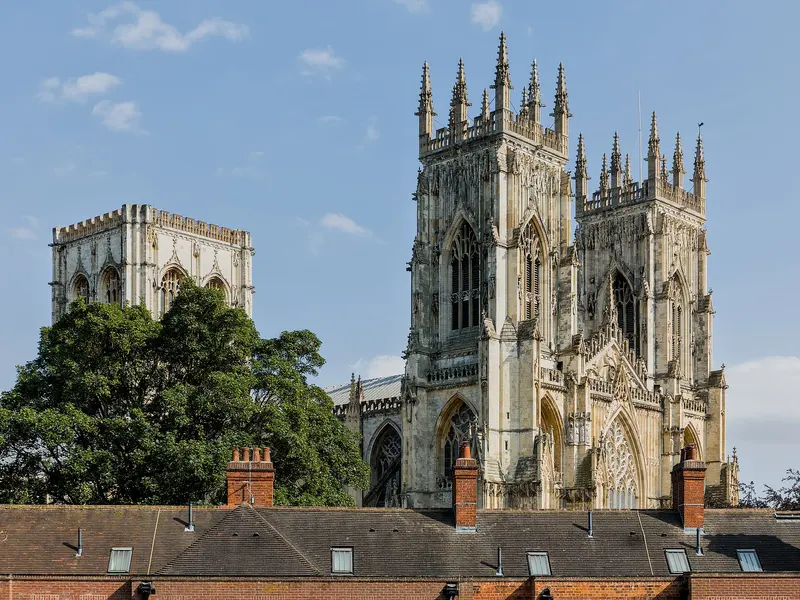
The seat of the Archbishop of York, with a church recorded on the site since 627; most of the present Gothic building went up between 1220 and 1472. Allow plenty of time to take in the scale of it.
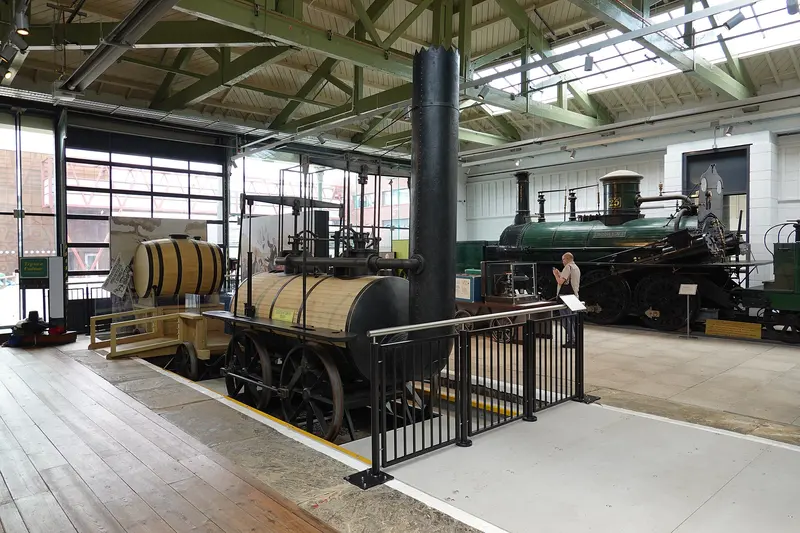
A railway-themed attraction on the 1825 Stockton and Darlington route, with a museum in the Grade II* listed North Road station, a ride, an adventure play area and the workshop where volunteers are building a new steam locomotive.
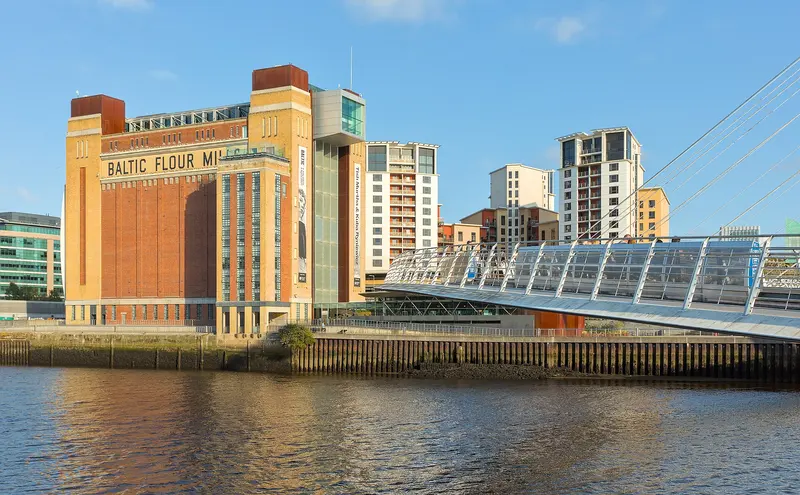
A converted flour mill on the Gateshead bank, opened in 2002, with constantly changing exhibitions and no permanent collection. Free entry; it opens Wednesday to Sunday.
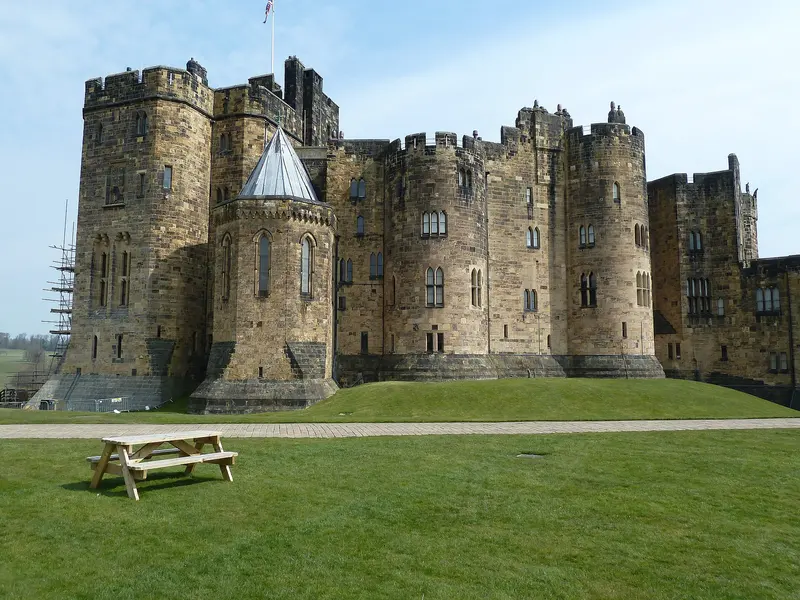
A Norman castle remodelled over the centuries and still the home of the Duke of Northumberland, with state rooms, exhibitions, guided tours and film-location trails. It opens for a visitor season rather than all year.
The scant remains of a castle that was central to Anglo-Scottish warfare, and the later bastioned town walls that replaced it. Brown signs mark access points to the ramparts; some sections have steep unguarded drops.
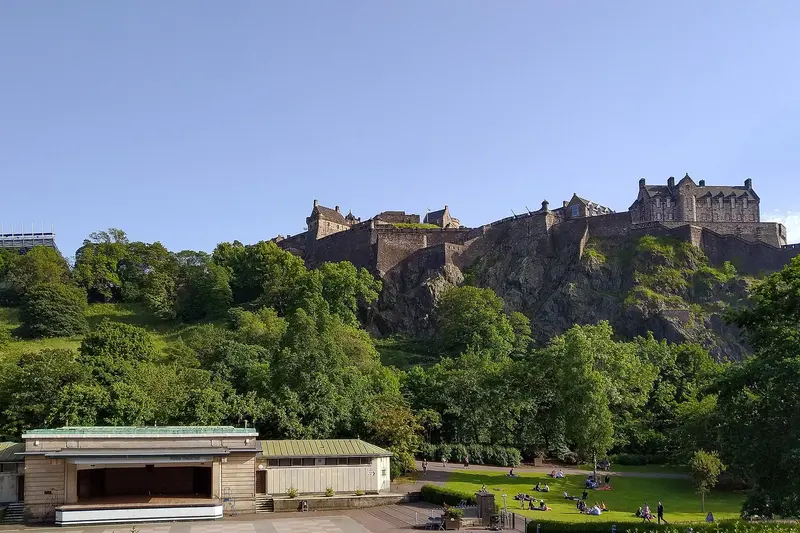
Perched on Castle Rock, the castle has been a royal residence, fortress, prison and treasury over nine centuries. Tickets often sell out, so book ahead – and buy only through the official site.
Scotland's national rugby stadium and its largest stadium, opened in 1925. Daily behind-the-scenes tours include the tunnel walk and items from the Scottish Rugby heritage collection.
The world's only rotating boat lift raises boats 115 feet between two canals. Watch it turn, or take the boat trip that rides the wheel and sails through the Roughcastle Tunnel.
One of Scotland's great castles, with ramparts and three enclosures to explore, the Great Hall and the refurbished Royal Palace of James V. Book ahead to guarantee entry at busy times.
A red sandstone tower from the 1100s, an ornate Gothic west doorway and rare 15th-century choir stalls make this one of Scotland's noblest medieval churches. Entry is free; as a working church it can close for services and events.
Home of the Stone of Destiny, the ancient coronation stone, alongside collections that place Perth and Kinross at the centre of Scotland's story, in an Edwardian hall transformed by the architects Mecanoo. Viewing the Stone is free, and tickets can be booked in advance.
The choir, from the late 1200s, is still the parish church; the roofless nave, begun in 1406, is closed for conservation work, but the riverside grounds remain open (as of September 2026).
The dam and power station began generating in 1950 as part of the Tummel Valley scheme. Its famous fish ladder of 34 tiered pools helps salmon and sea trout upstream, and the visitor centre explains how.
The Atholl family's seat for over 750 years, with 18th-century interiors, Scots Baronial architecture and gardens. Open daily from 1 April to 30 October in 2026.
Over 35 historic buildings across a mile-long site, from a 1700s township to 20th-century homes, with costumed interpreters. Entry is free; the 2026 season runs from 1 April to 25 October.
Government barracks built in the early 1700s to police the Highlands. A Jacobite attack failed in 1745, but a stronger one forced its surrender the following year. Free to visit and open all year.
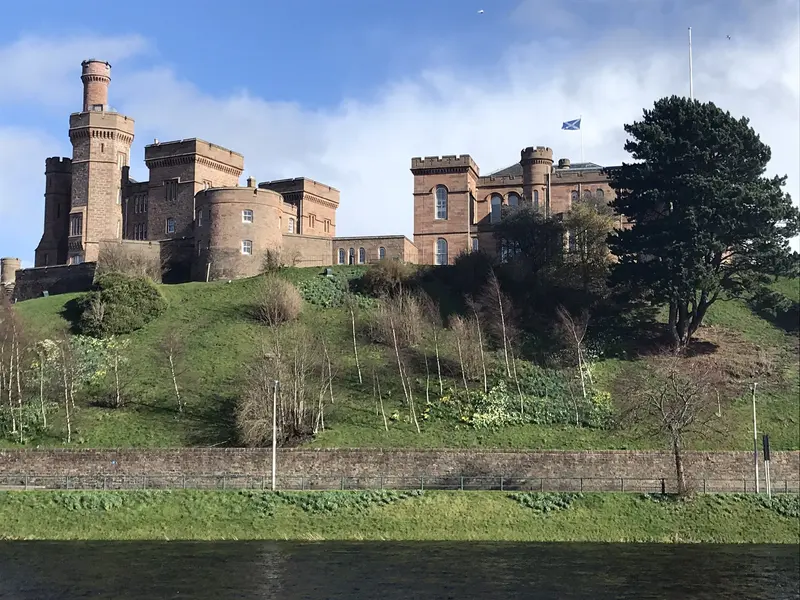
Interactive installations and exhibitions inside the castle explore the 'Spirit of the Highlands' – its landscapes, people and heritage – with a café and shop.
We researched this page using the sources below. They are listed for transparency and are not links; always check official websites for the latest details.